
If you feel pain in your heel with every step, it is easy to get stuck choosing between a heel cup, heel lift and gel support. Our range of heel supports and heel cups includes several types that look similar but serve different purposes. What determines which one suits you is where the pain is located and when you notice it most.
Start with where it hurts
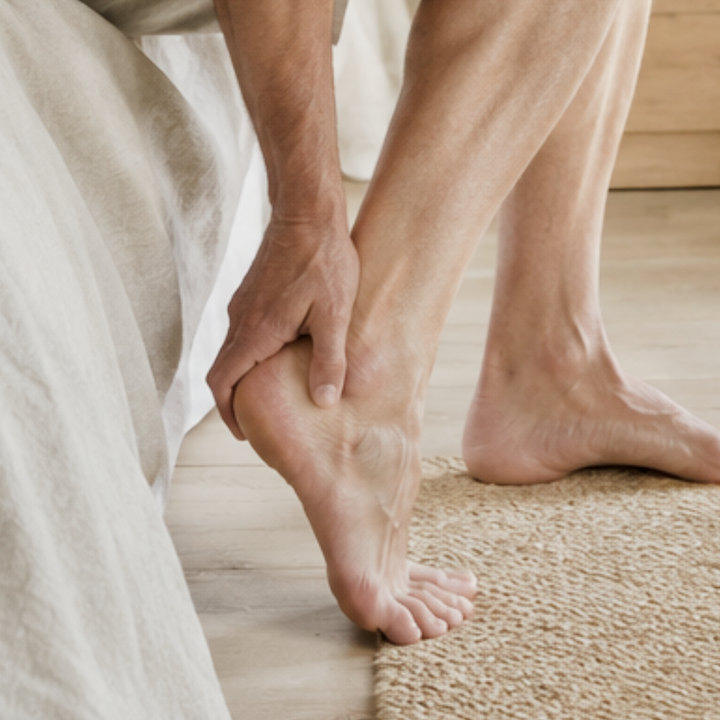
The location of the pain is the best starting point when choosing. If it hurts directly underneath the heel, roughly where the heel bone meets the ground with each step, the heel pad is often involved. You then want something that both cushions and holds the fat pad together. If the pain is further forward beneath the heel, perhaps towards the arch, an insole with arch support is often more useful than a heel support alone. If you feel pain at the back, where the Achilles tendon attaches to the heel bone, it is about tension in the tendon rather than pressure on the heel pad, and this is where height matters.
If you would like to understand why your symptoms developed, we recommend our Foot & Heel Injury Guide.
Heel cup, heel lift or gel support
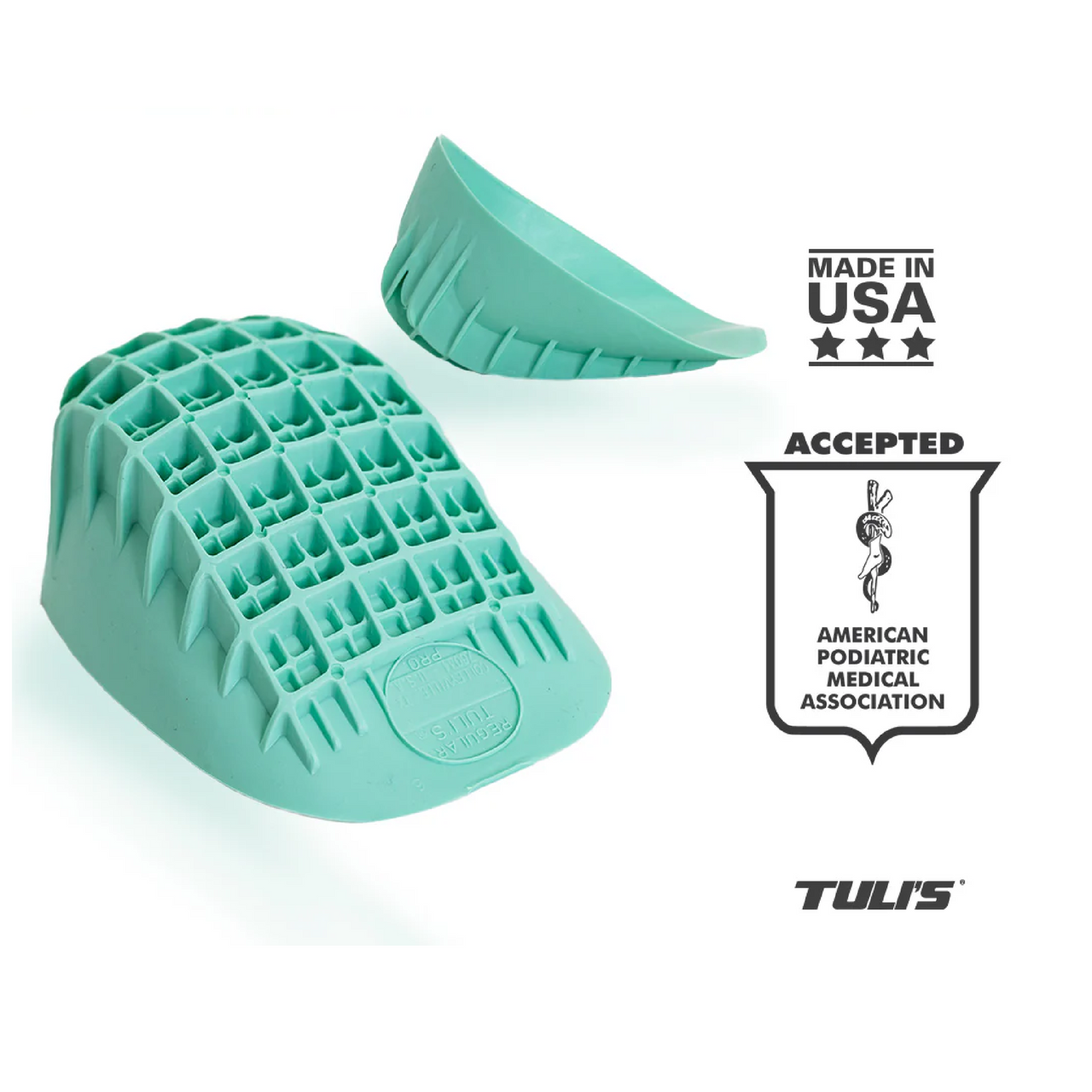
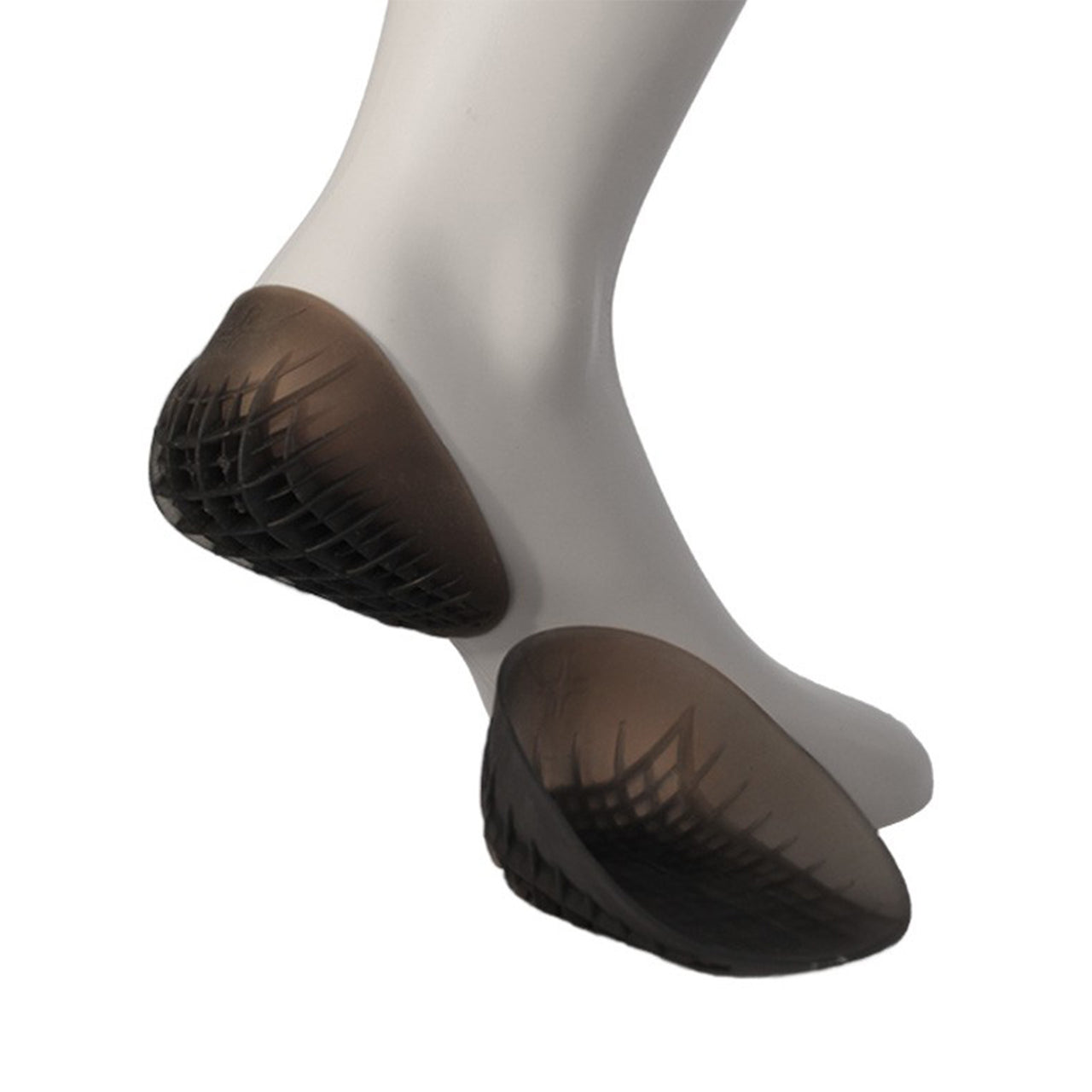
A heel cup surrounds the heel and holds the fat pad together beneath the heel bone. This distributes pressure over a larger area instead of concentrating it on one point, while keeping the heel stable as you walk. Deep silicone or gel models offer the most control and suit a very tender heel, while lower-profile models take up less space and work better in shoes with limited room.
A heel lift raises the heel slightly and reduces tension in the Achilles tendon and calf muscles. It does not hold the fat pad together as a heel cup does, but is an option when symptoms are at the back around the Achilles tendon. Start with a low lift so it is easier to assess how your heel responds. Bear in mind that you often need the same lift in both shoes, even if only one heel is bothering you; otherwise, you stand unevenly.
Heel cushions and gel inserts provide soft cushioning without controlling the heel’s position. They are thinner, less expensive and can be moved between shoes, making them a good first step if you are unsure what is causing your symptoms.
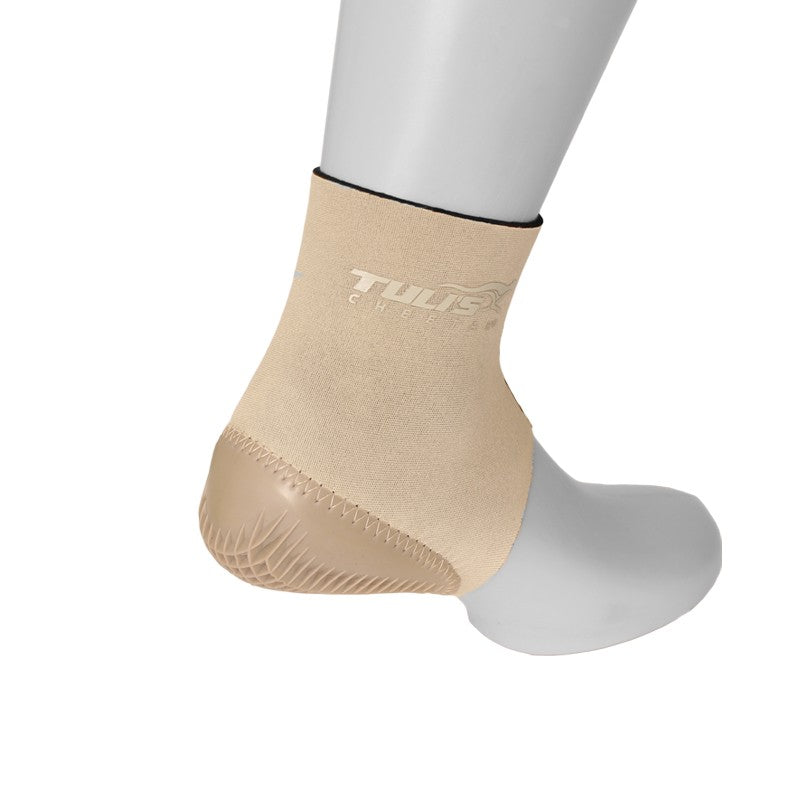
For activities without shoes, such as gymnastics and dancing, heel supports with an integrated sock are also available. The cup is sewn into a sock-like construction that stays on the foot, a design commonly used by children and young people who train barefoot.
How to combine different supports
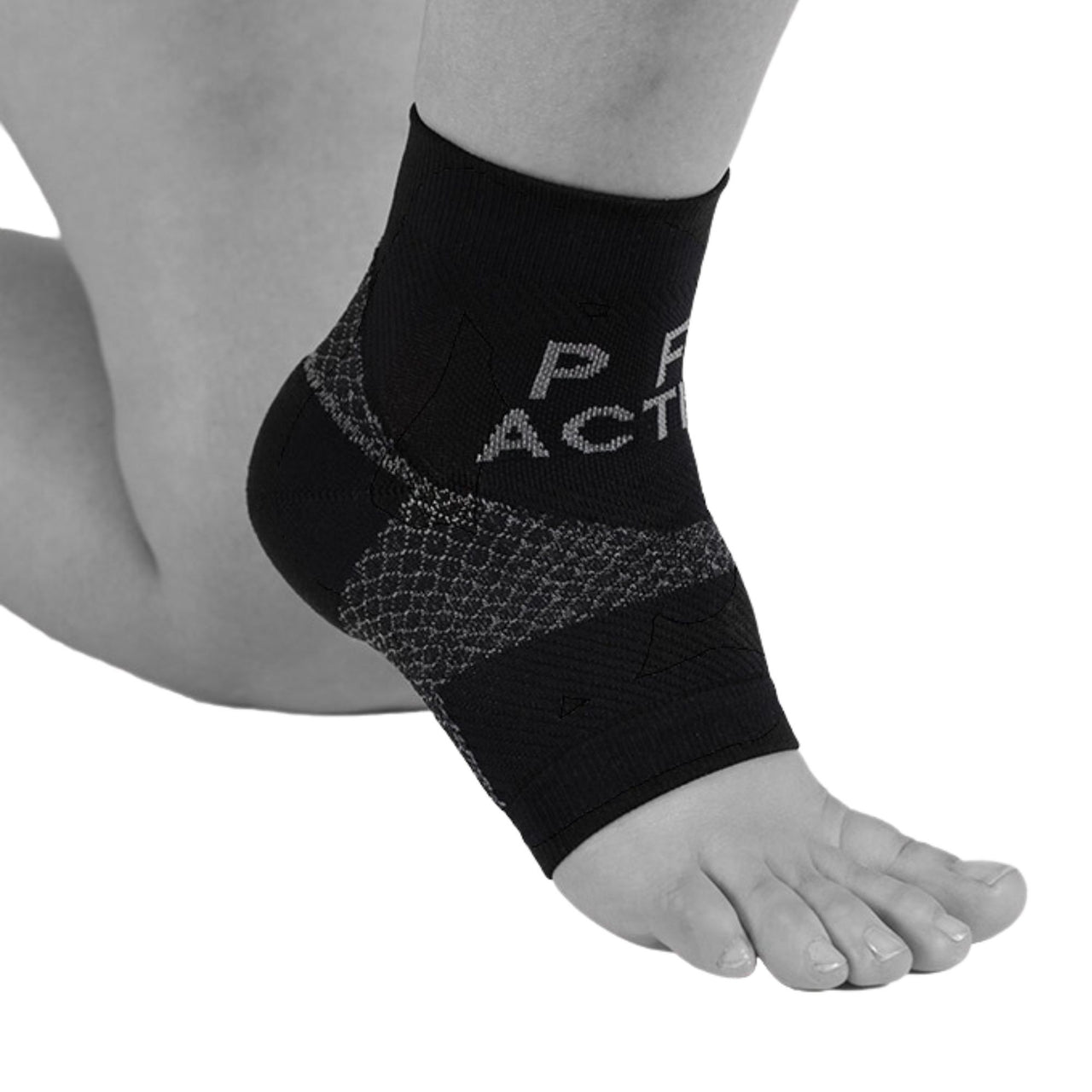
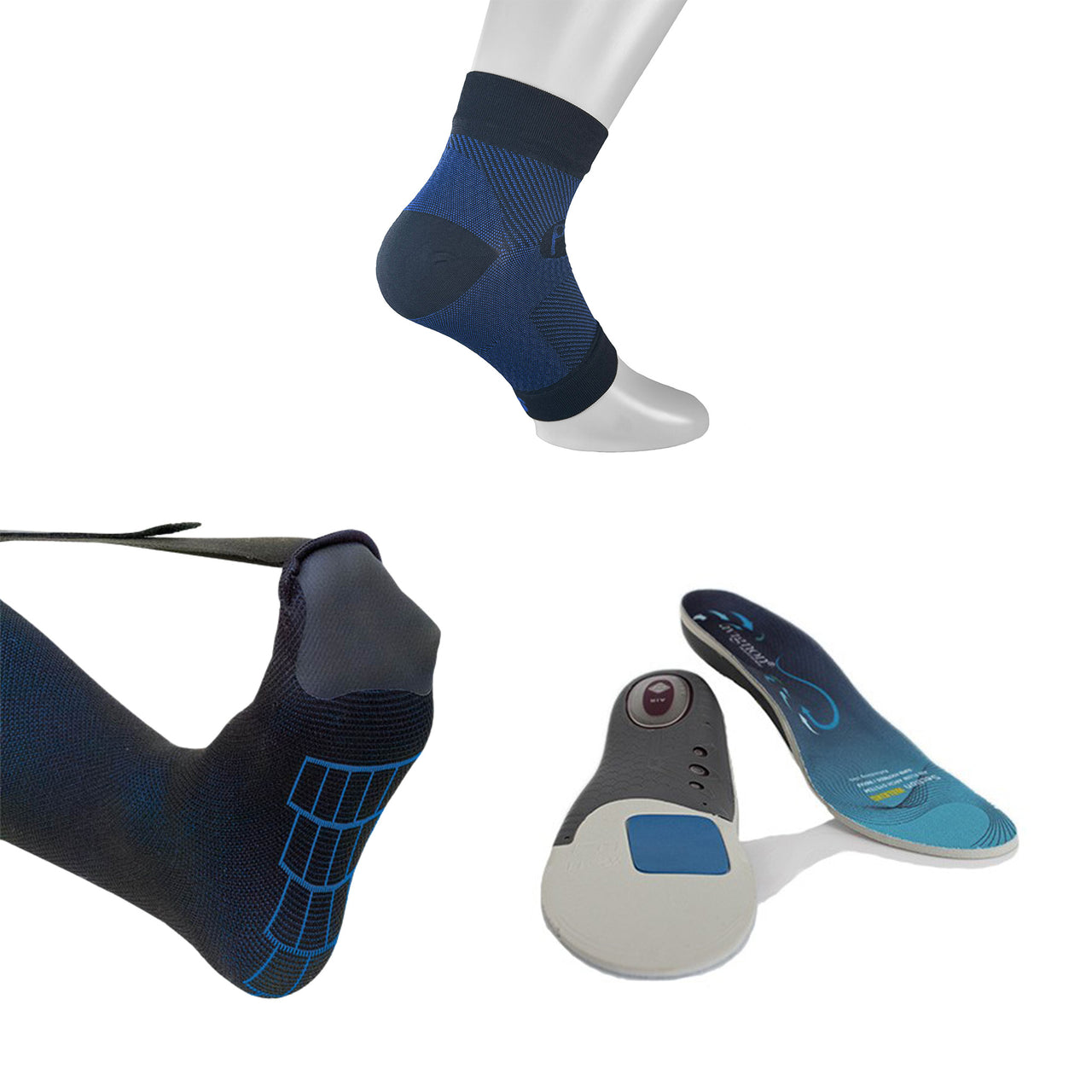
Many people use more than one product, and this is often reasonable. For Achilles tendon symptoms, a heel lift is often combined with an Achilles support that provides compression around the tendon during activity. For heel spurs, a heel cup can be used in everyday life to relieve pressure on the heel and reduce pain when bearing weight. A compression sock can be used at other times as a complement. It provides supportive pressure around the foot that may help reduce swelling and ease discomfort.
Change one thing at a time as you try different options. If you start using new shoes, a heel cup and a compression sock at the same time, it becomes difficult to know what your heel is actually responding to.
Practical points to consider
Sizing is based on your shoe size, and a support that is too loose will slide inside the shoe. Also check the available space, as a high heel support can push your foot upwards. Try it in the shoes you wear most, rather than just one pair. Many heel supports are sold in pairs, so check whether the price covers one or two supports before comparing options. Silicone and gel can be cleaned with lukewarm water and mild soap, then left to air-dry.
If you are unsure which model suits your shoes and symptoms, you can get personalised advice from a licensed physiotherapist here at Rehaboteket.