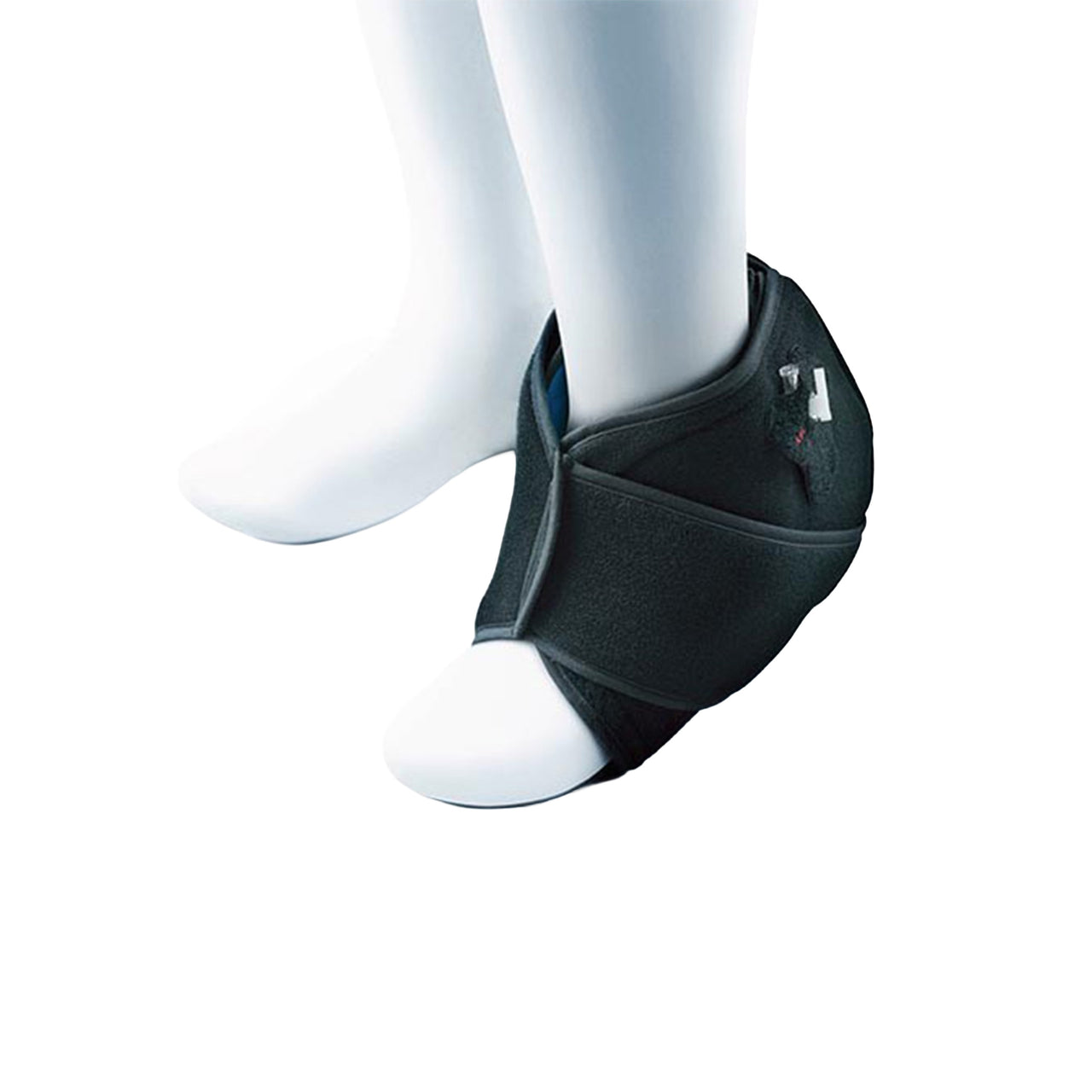

Ankle ligament injuries are one of the most common sports-related injuries, but can also occur in everyday life from slips or falls. The injury affects the stability of the ankle and requires proper support and rehabilitation to avoid long-term problems.
What is ligament damage in the foot?
The injury occurs when the ankle is twisted beyond its normal range of motion, often when stepping sideways with a heavy load. The ligaments on the outside of the ankle are most vulnerable and can be stretched or torn completely. The injuries are graded into three levels: 1) slight stretching, 2) partial tearing, 3) total rupture.
Symptoms
- Pain and swelling in the ankle after the injury
- Discolouration (bruising) around the injury area
- Feeling of instability when walking or doing an activity
- Cracking sound associated with the injury (in case of total rupture)
Common causes & risk factors
Sports involving rapid changes of direction, jumping or uneven surfaces are common causes. Falls or missteps in everyday life can also cause injury. Narrow sports shoes or shoes without sufficient support increase the risk, as do previous injuries to the ankle.
When should you seek medical attention?
In case of severe pain, significant swelling, inability to bear weight on the foot or suspicion of a complete rupture, medical attention should be sought. This also applies if the instability persists despite relief and support.
Recommended protection & support
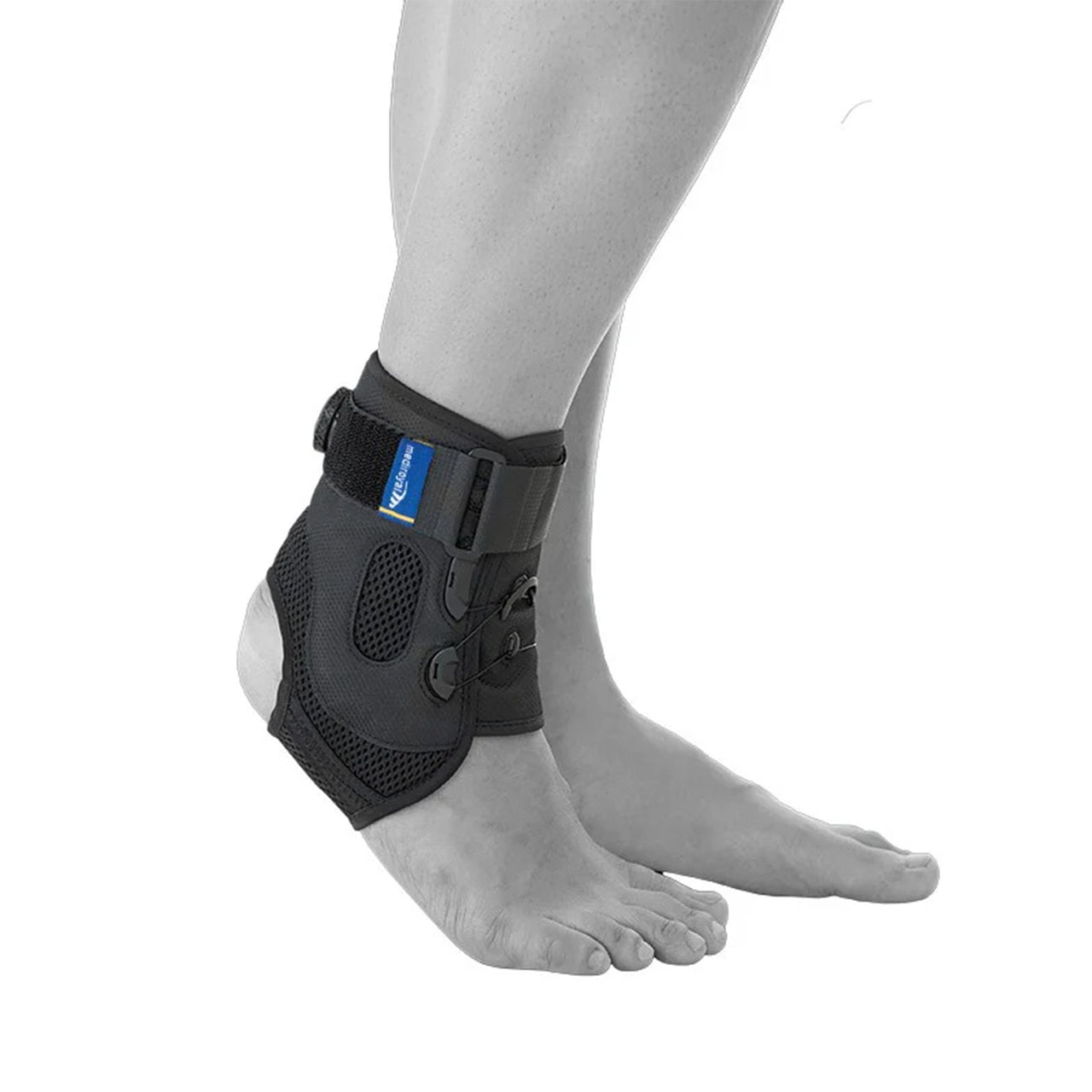
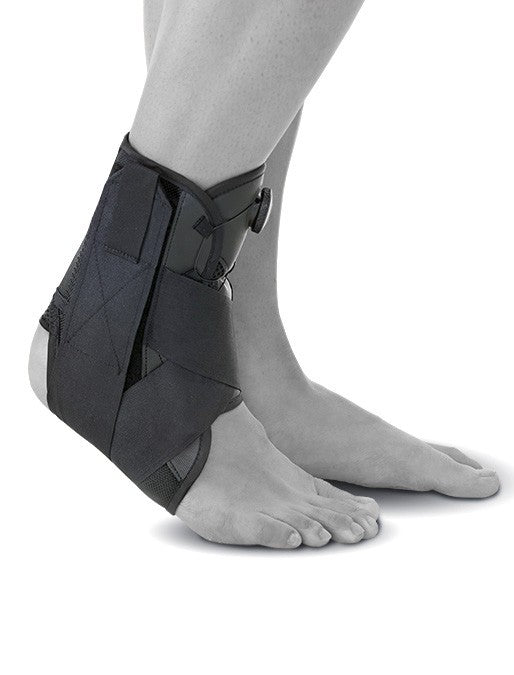
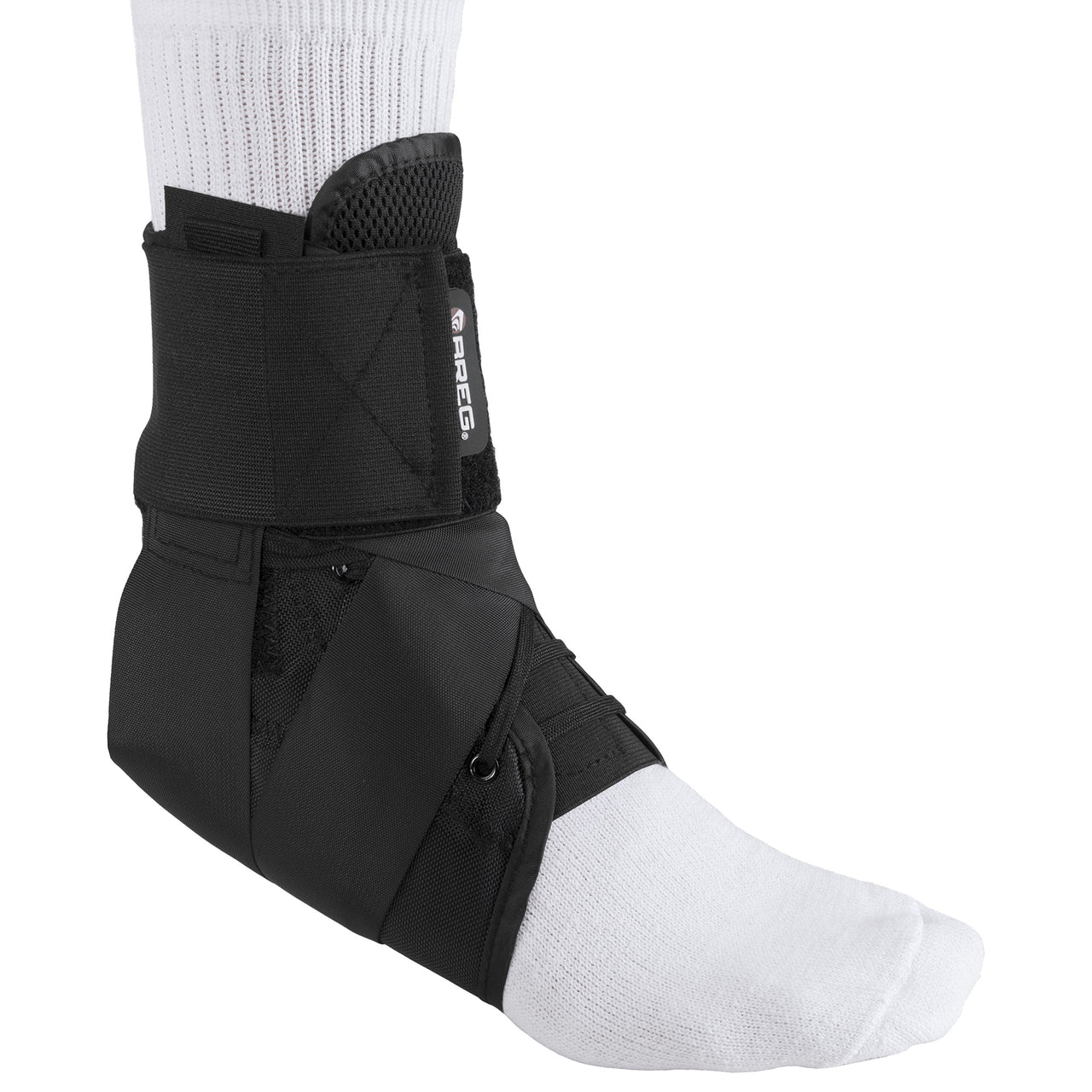
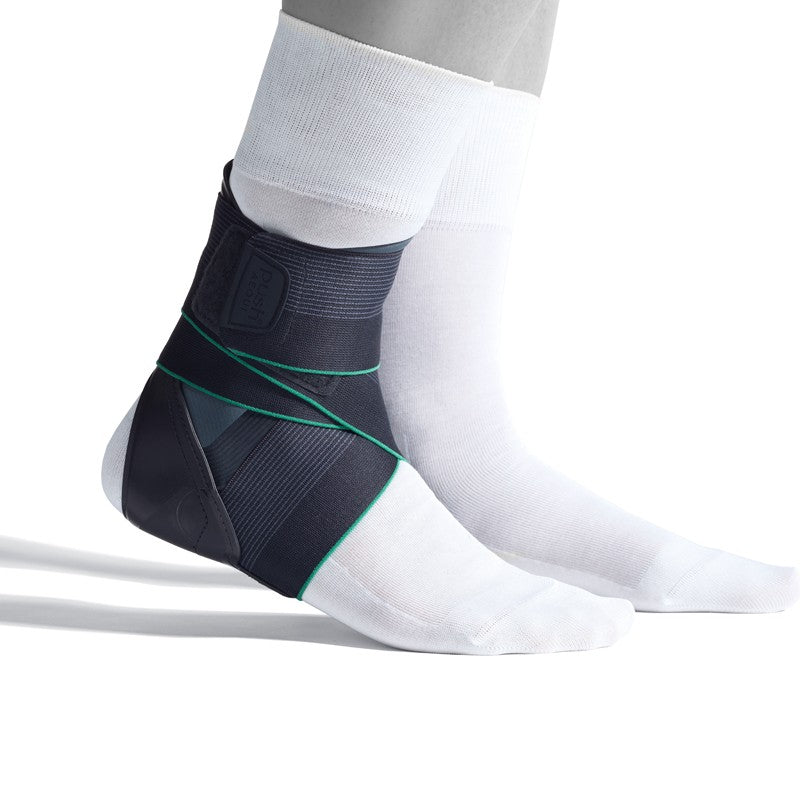
In the case of ligament injuries, a stabilising ankle support is an important part of recovery. It counteracts harmful extreme positions and provides stability both in everyday life and during activity. Rigid materials and reinforcements around the ankle increase support. For milder injuries, simple ankle supports or taping can provide relief, while more extensive injuries require stronger support. Balance pads can be used in rehabilitation to regain strength and stability in the ankle.
See all supports and protection that can help relieve a foot ligament injury
Related injuries
For more information about the foot and heel, you can read more in the Injury Guide Foot & Heel, and you can also go to the Injury Guide's main page to read about other injuries and symptoms.