
Up to half of all pregnant women experience pelvic pain, often called pelvic girdle pain. The discomfort is caused by the pelvic joints softening in preparation for childbirth. The pain can be dull or sharp and affect everyday life, but the right support can make a big difference.
What is pelvic pain?
Pelvic pain during pregnancy is caused by hormones making the pelvic joints more mobile in preparation for childbirth. This does not mean that the joints “loosen up”, but that their stability decreases, which leads to pain. For most women, pelvic pain begins around the middle of pregnancy, although it may occur earlier or later.
Common causes & risk factors
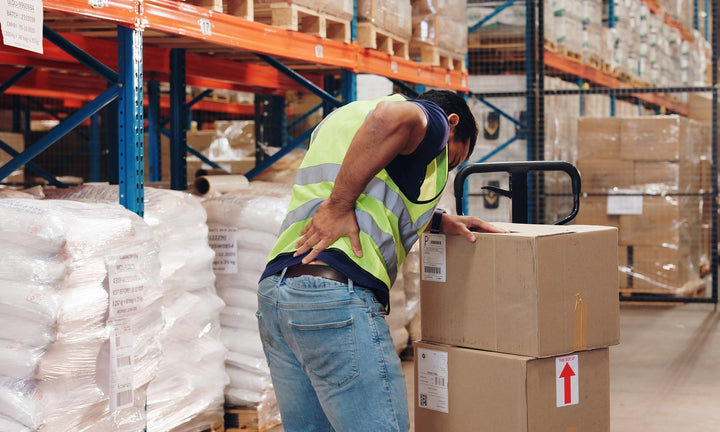
All pregnant women can be affected regardless of their fitness level. The pain can vary over time and is often worsened by strenuous activities. Common triggers include walking up stairs, lifting heavy objects, and standing or walking for long periods of time. The pain is often located in the lower back, hips or pubic bone and can worsen as the pregnancy progresses.
Symptoms
- Aching or shooting pain in the lower back, hips, or above the pubic bone
- Difficulty walking longer distances
- Stiffness and pain when climbing stairs
- Limited mobility in more severe problems
When should you seek medical attention?
In case of severe pain that severely limits everyday life, or if you experience new symptoms that are not typical of pregnancy-related pelvic pain, you should contact a midwife or doctor for assessment.
Recommended protection & support
With pelvic pain, the right support and stabilisation can help reduce pain and increase confidence during everyday activities.
See all supports that can help relieve pelvic pain
Related injuries
For more information about the back and lower back, you can read more in the Back Injury Guide. You can also go to the Injury Guide's main page to read about other injuries and symptoms.