
An acromioclavicular (AC) joint injury is a common shoulder injury often caused by falls or direct blows to the shoulder, especially in sports. Here, we'll explain what the injury entails, what symptoms to look out for, and how you can relieve and support your shoulder for a safe recovery.
What is an AC joint injury?
An AC joint injury involves damage to the joint between the collarbone (clavicle) and the shoulder blade's projection (acromion). The injury often includes a sprain or tear of the ligaments that stabilize the joint and can range from a mild stretch to a more extensive injury where the collarbone is displaced upwards, also known as dislocation. AC joint injuries are common and account for a significant proportion of all shoulder injuries, particularly in sports.
Common causes & risk factors
The injury most often occurs from a direct fall on the shoulder, for example, during cycling, contact sports, or slip-and-fall accidents. Athletes in sports like ice hockey, soccer, and cycling are particularly at risk. High stress or repeated impacts to the shoulder can also increase the risk of damage to the AC joint ligaments.
Symptoms
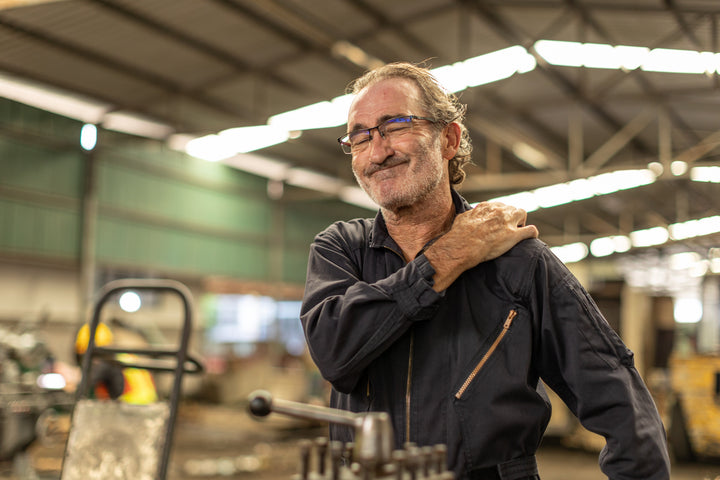
Typical symptoms include pain and tenderness on top of the shoulder, often in the area over the AC joint. Swelling and sometimes a visible bump of the collarbone may occur with more pronounced injuries. The pain worsens with arm elevation, especially when you lift your arm sideways or across your body. Reduced strength and mobility are common.
When to seek medical attention?
You should seek medical attention if you have severe pain, a clear deformity, or difficulty using your arm after a fall or trauma. It is important to determine the degree of the injury to receive the correct treatment. If symptoms persist or if you are unsure about the diagnosis, you should also seek medical attention.
Recommended protection & support
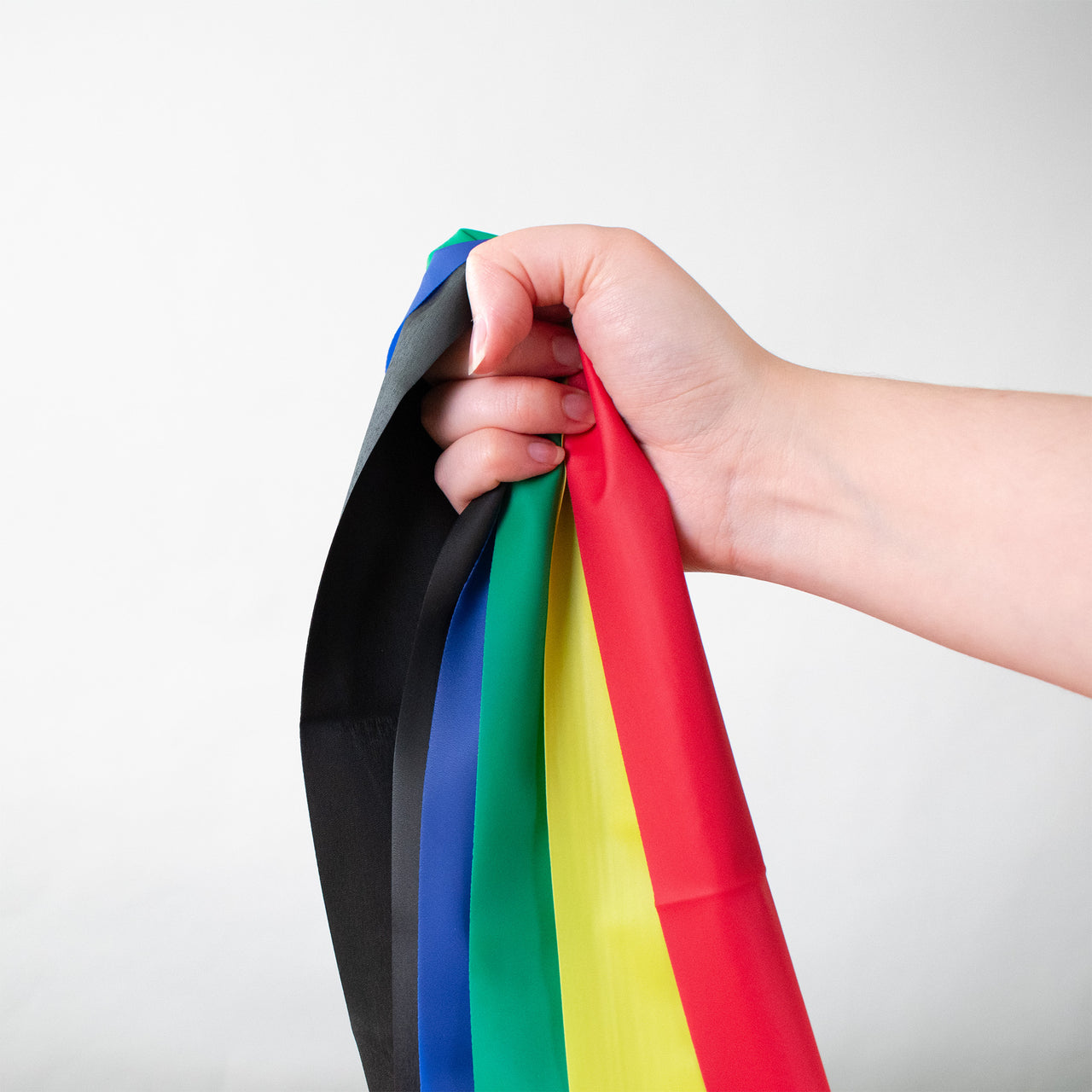
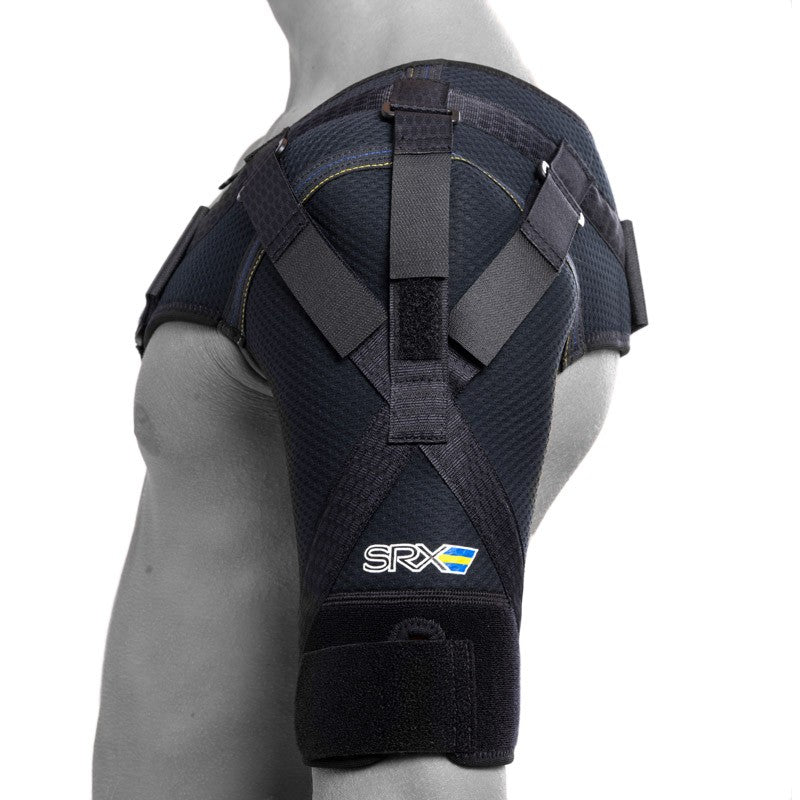
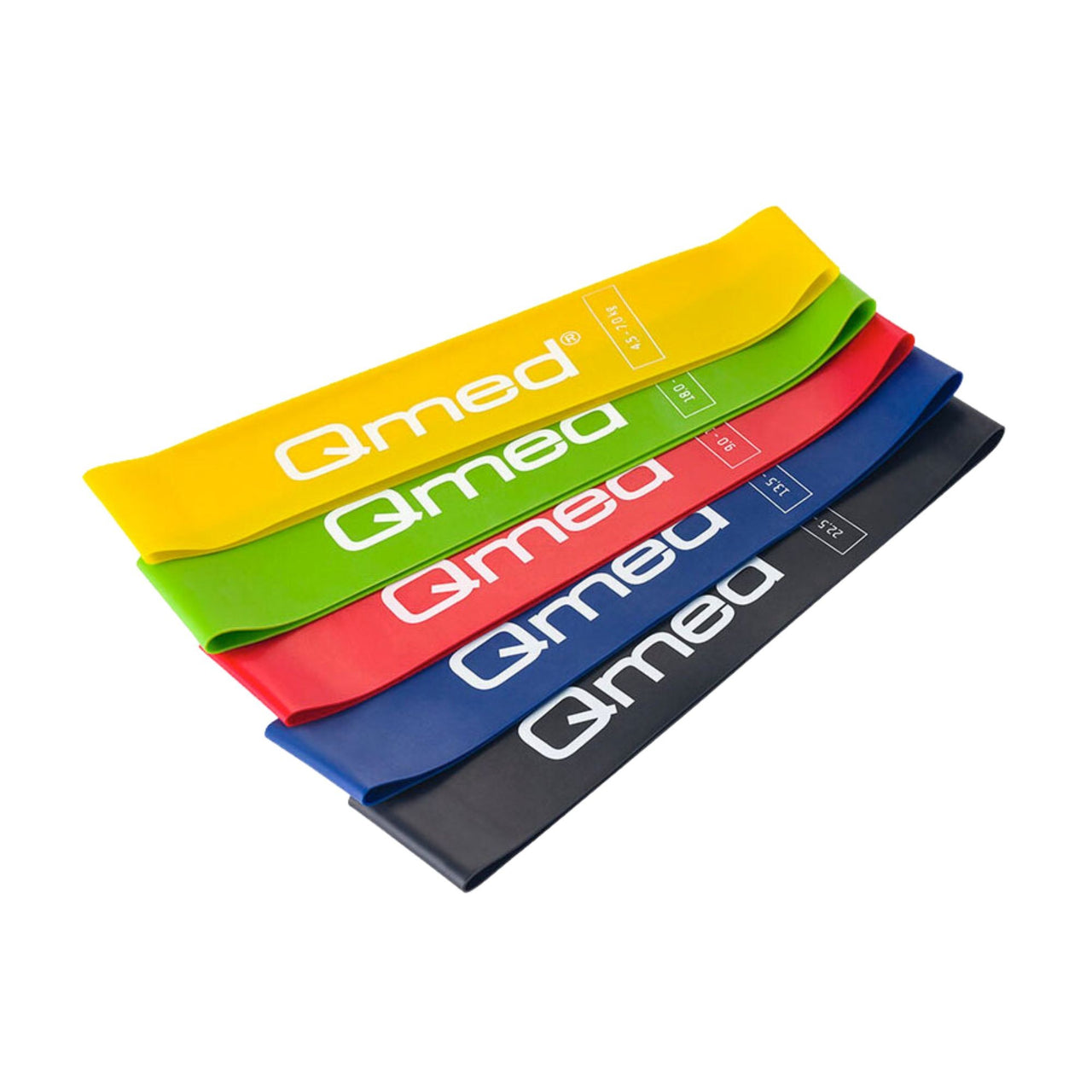
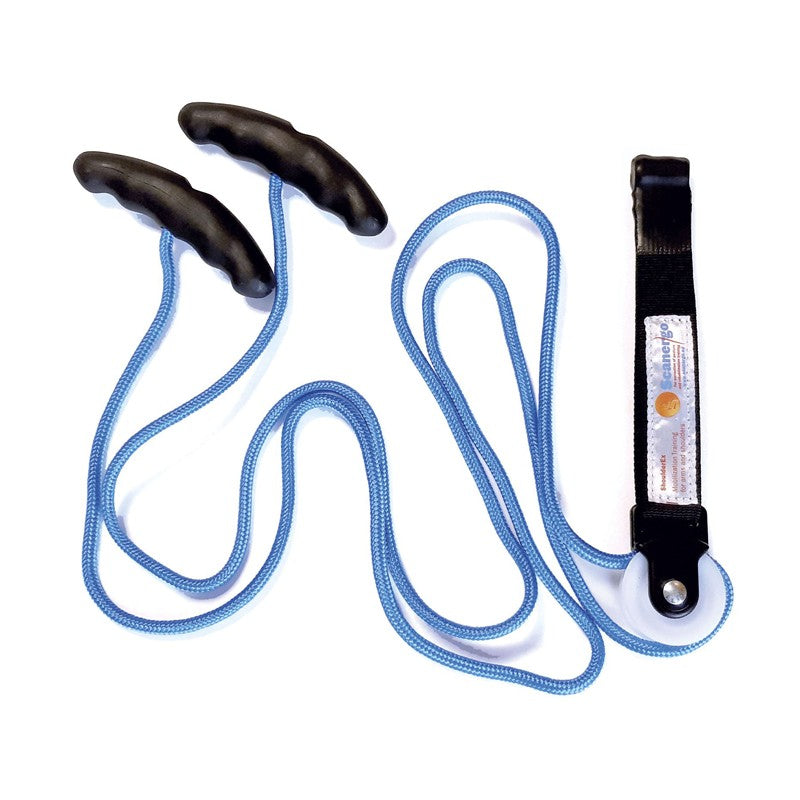
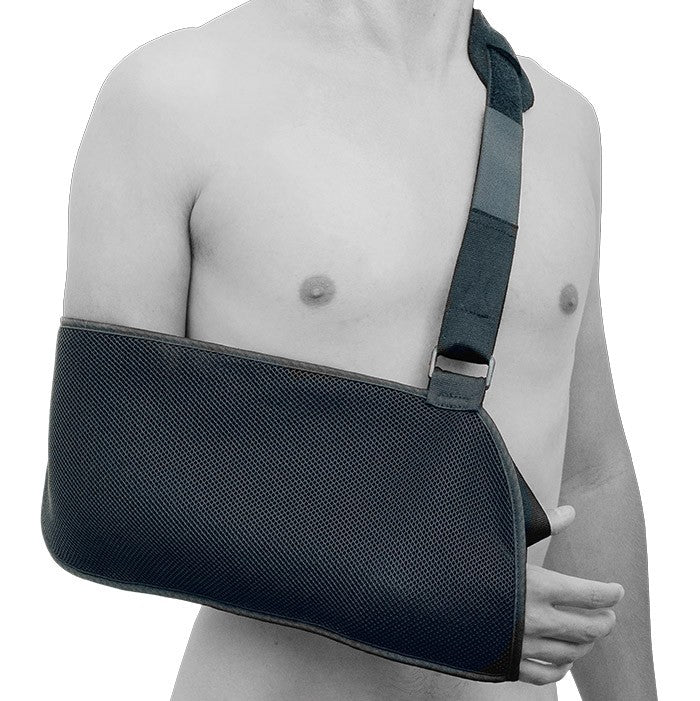
In case of an AC joint injury, a sling is often used in the acute phase to relieve the shoulder and reduce pain. Shoulder braces or taping can provide extra support during activity. Rehabilitation focusing on mobility, strength, and stability in the shoulder and shoulder blade is crucial for regaining function. Adjusting load and a gradual return to activity are important for good results.
See our products that can help with AC joint injury
Related injuries
For more knowledge about shoulder problems, you can find more articles in Shoulder Injury Guide, and you can also proceed to The Injury Guide's main page to read about other injuries and symptoms.