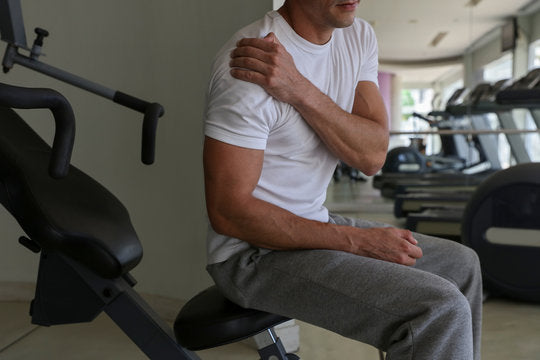

A broken collarbone is a common injury that can affect people of all ages. The injury often occurs from falls on the shoulder or collarbone, but also from accidents where the seat belt presses hard on the chest. Sometimes a fall on an outstretched arm can also cause a fracture.
What is a clavicle fracture?
The collarbone (clavicle) is part of the shoulder skeleton and serves as an important link between the sternum and the shoulder blade. When fractured, the bone is damaged in whole or in part, leading to pain, reduced mobility and in some cases a visible malposition. The injury often affects the function of the arm as the shoulder drops slightly on the affected side.
Common causes & risk factors
A clavicle fracture is often caused by a fall directly onto the shoulder or collarbone. Falls during sports, cycling accidents, and traffic accidents are common causes. Falling onto an outstretched arm without the elbow absorbing the impact can also result in a fracture. In car accidents, the seat belt may in some cases cause pressure-related injuries to the collarbone.
Symptoms
- Sudden and intense pain above the collarbone
- Difficulty lifting the arm
- Reduced strength and mobility in the shoulder
- A slightly drooping shoulder on the affected side
- In some cases, visible malposition or swelling over the fracture area
When should you seek medical attention?
All clavicle fractures should be examined by a medical professional. Seek immediate medical attention if you suspect the fracture has affected blood vessels or nerves, or if the pain is very severe.
Recommended protection & support
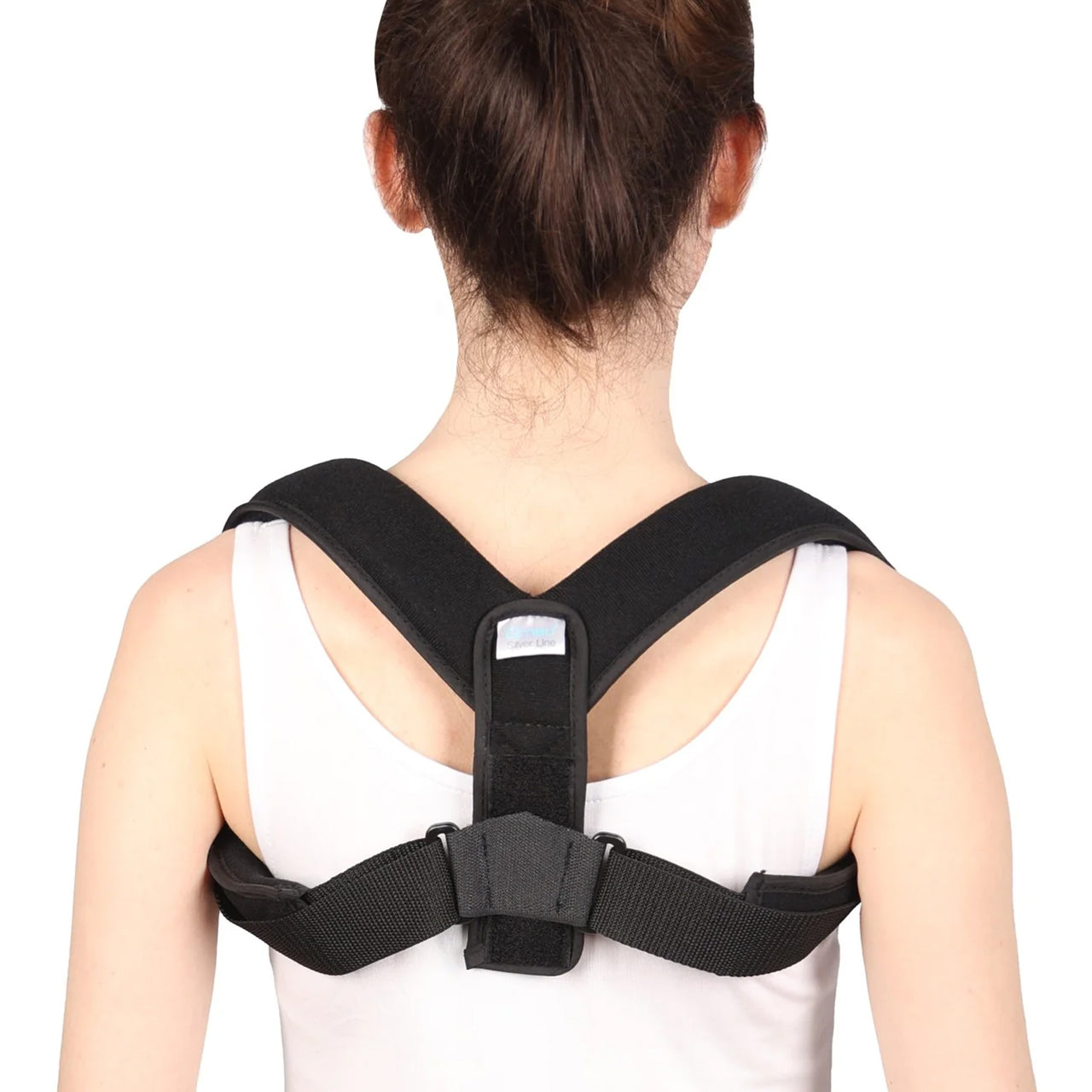
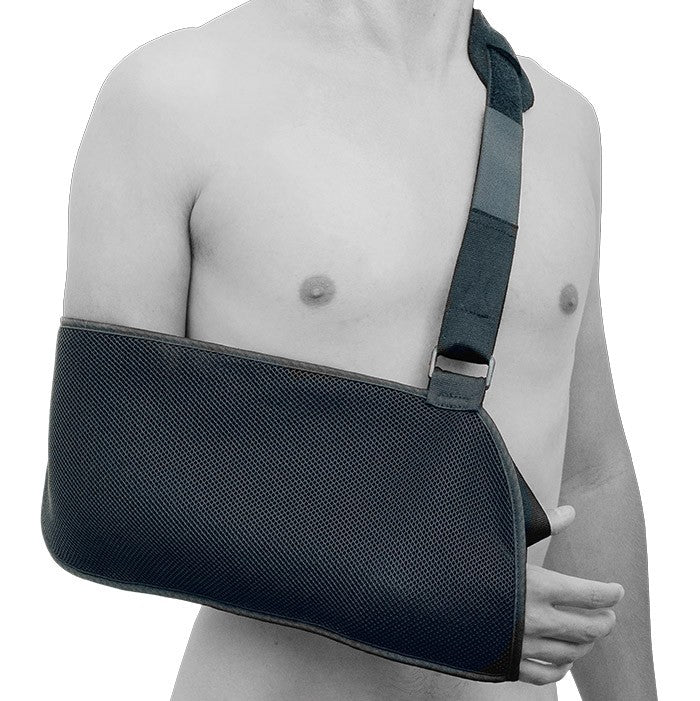
In the acute phase, the arm is usually supported in a sling for a few weeks. It is important to begin circulation and shoulder mobility exercises early to reduce stiffness and prevent loss of shoulder movement. Rehabilitation aims to restore mobility and strength in the shoulder and arm and is gradually progressed.
See all supports and braces that can provide relief for a clavicle fracture
Related injuries
For more information about shoulder and neck problems, you can read more in the Shoulder & Neck Injury Guide, and you can also go to the Injury Guide's main page to read about other injuries and symptoms.