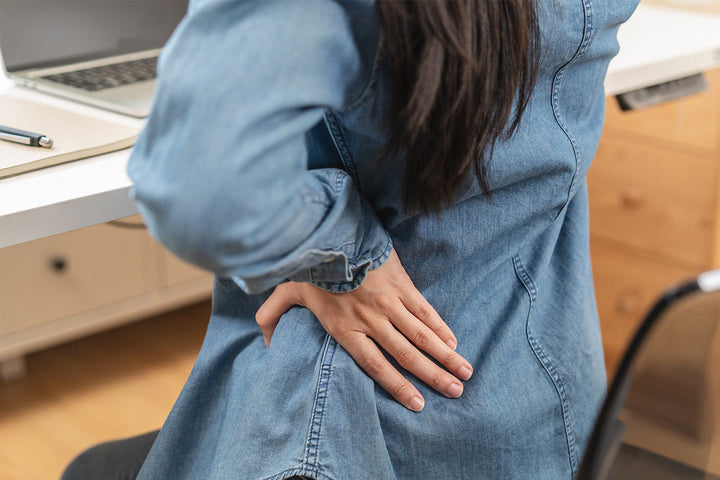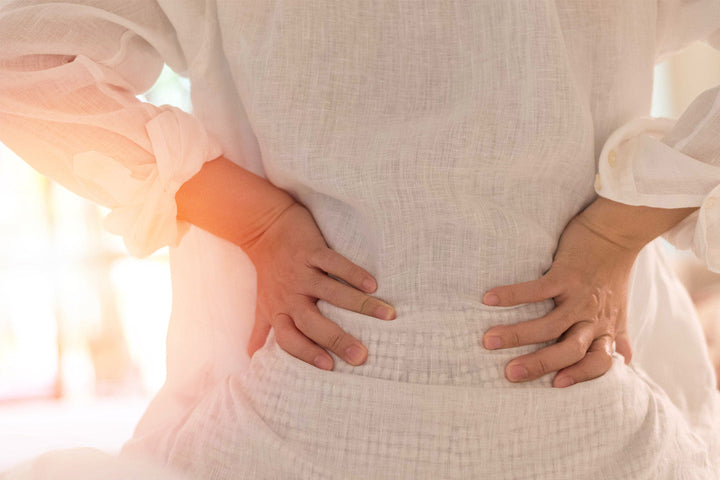

Acute low back pain is a very common cause of lower back pain. It often occurs with heavy lifting, sudden movements or rotations – but can sometimes come on without warning. The pain is intense and often leads to spasms in the back muscles, resulting in a forward-bending posture.
What is a acute low back pain?
Acute low back pain is a sudden, severe pain in the lower back that often makes it difficult to move normally. The exact cause is not always clear, but the problem involves the muscles, ligaments, and joints in the back. The spasm causes the body to unconsciously seek a pain-free position by leaning forward or to the side, which in turn creates incorrect loading and increased stiffness.
Common causes & risk factors
Acute low back pain often occurs in connection with heavy lifting, sudden movements or rotations, but also after prolonged sitting. Sometimes as little as a sneeze or a minor movement can trigger an acute back pain. Risk factors include weak core muscles, poor posture, being overweight and working positions with one-sided or heavy loads. There is a greater risk of developing back problems during the first 4–5 hours of the day because the discs between the vertebrae in the spine are more sensitive to loading during the first hours after waking up.
Symptoms
- Sudden and intense pain in the lower back
- Cramping sensation in the back muscles
- Forward bending or oblique posture to find a pain-free position
- Stiffness and difficulty moving normally
- Pain relief when lying down
When should you seek medical attention?
Seek medical attention if the pain does not improve within a couple of weeks, if you experience pain radiating down your legs, numbness, or if you have difficulty controlling urine or stool.
Recommended protection & support
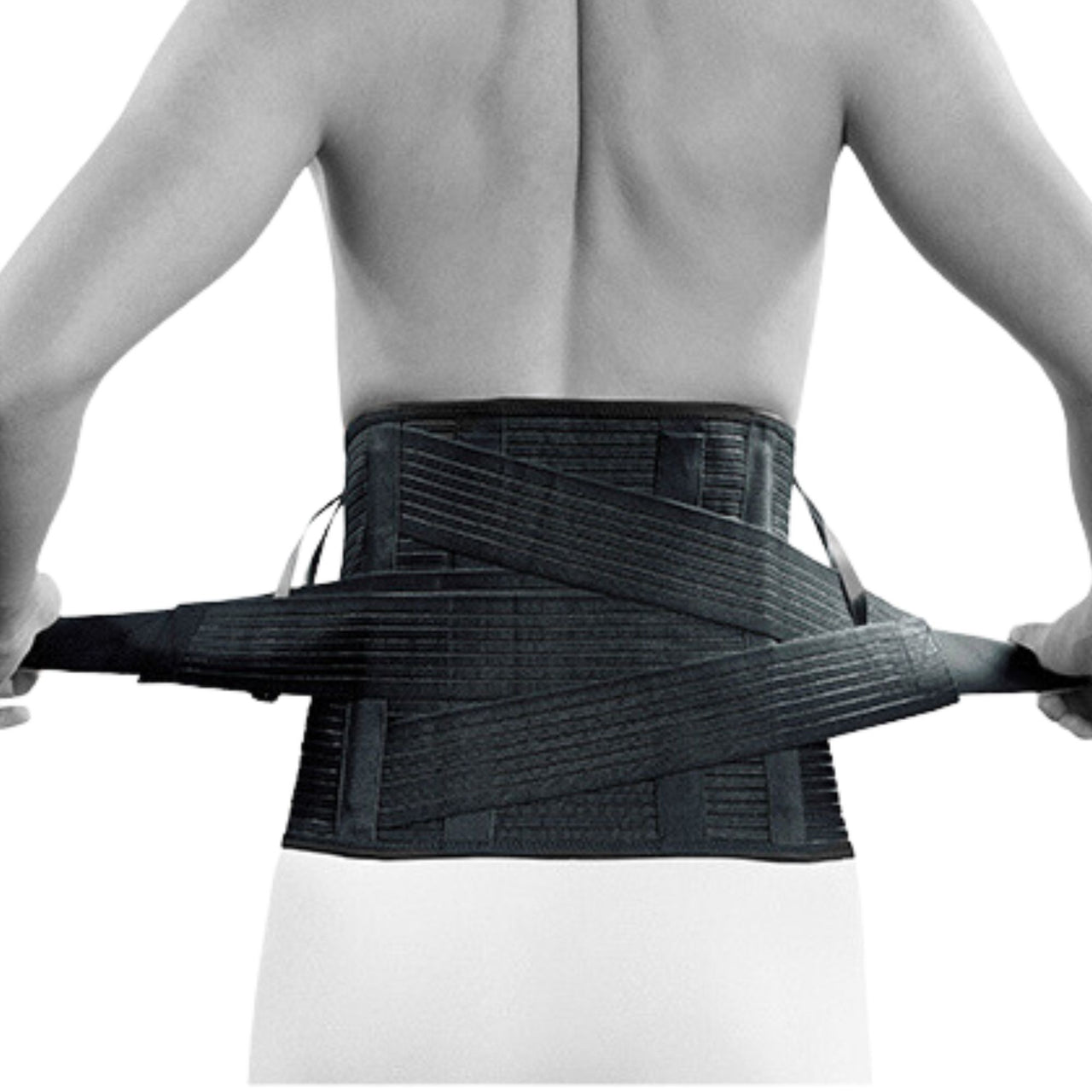
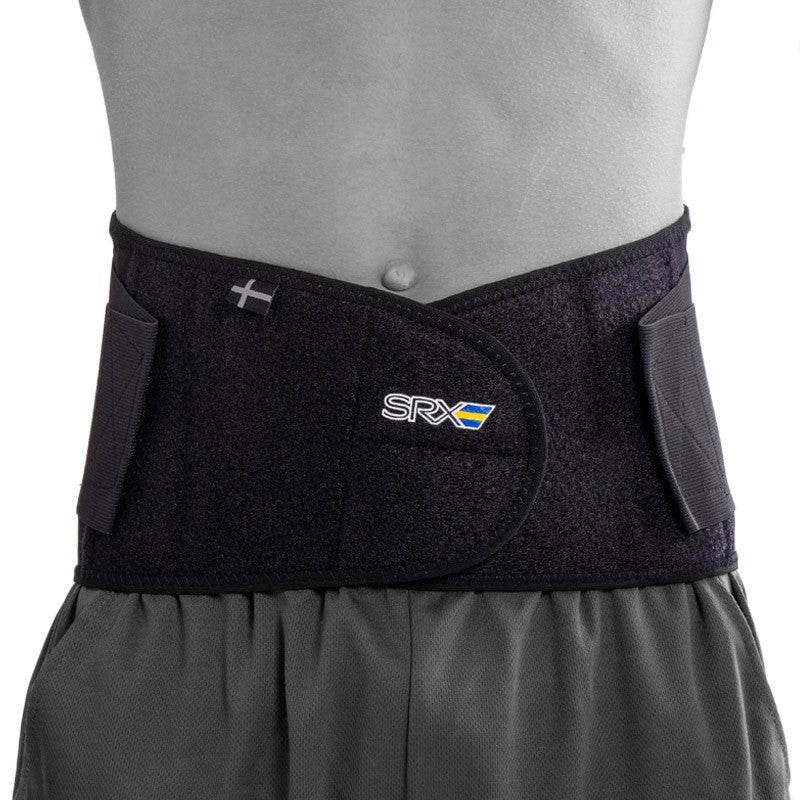
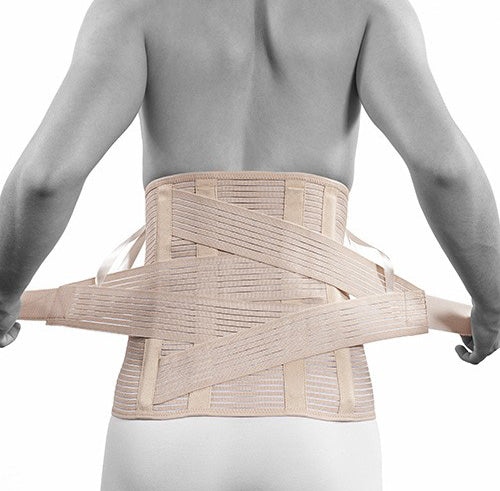
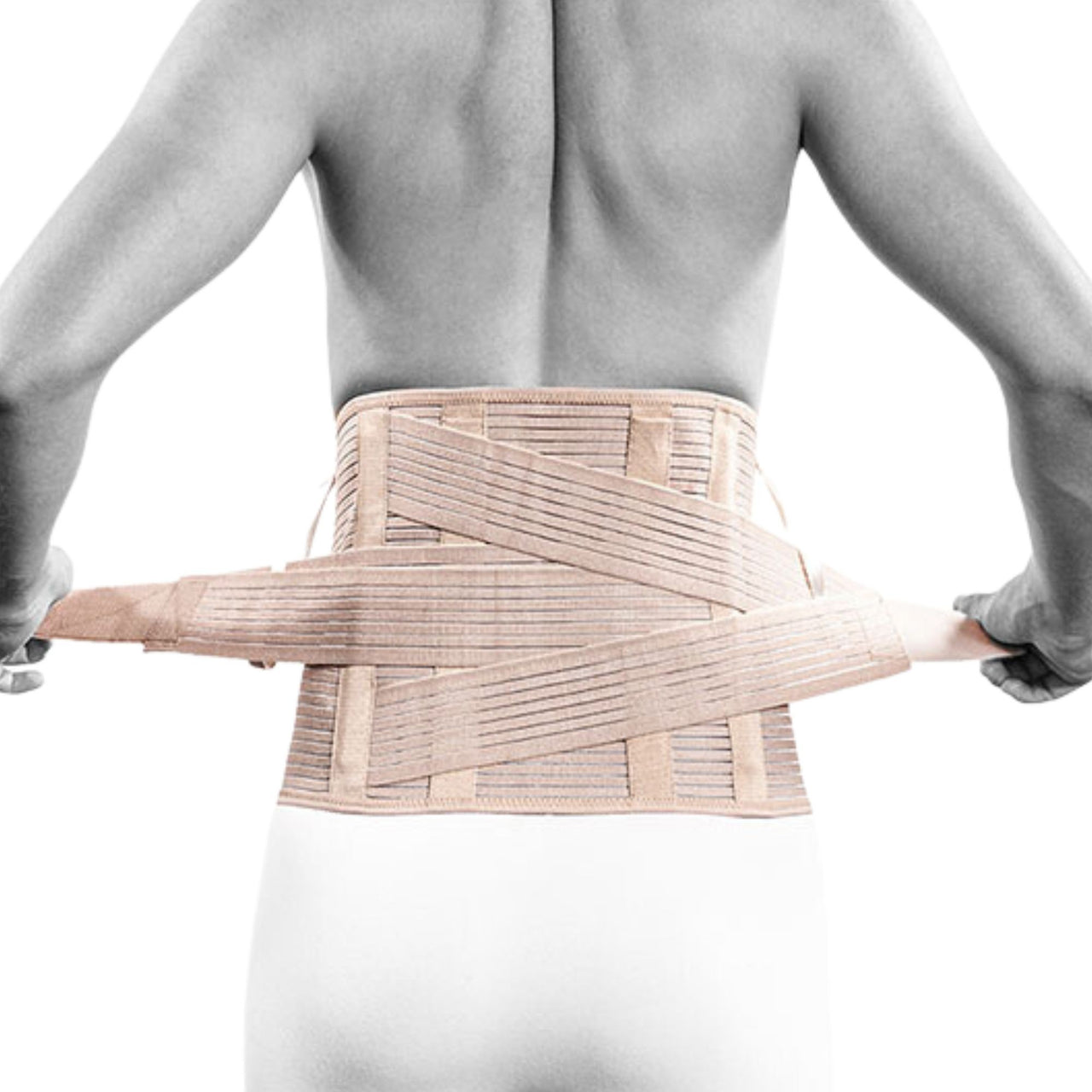
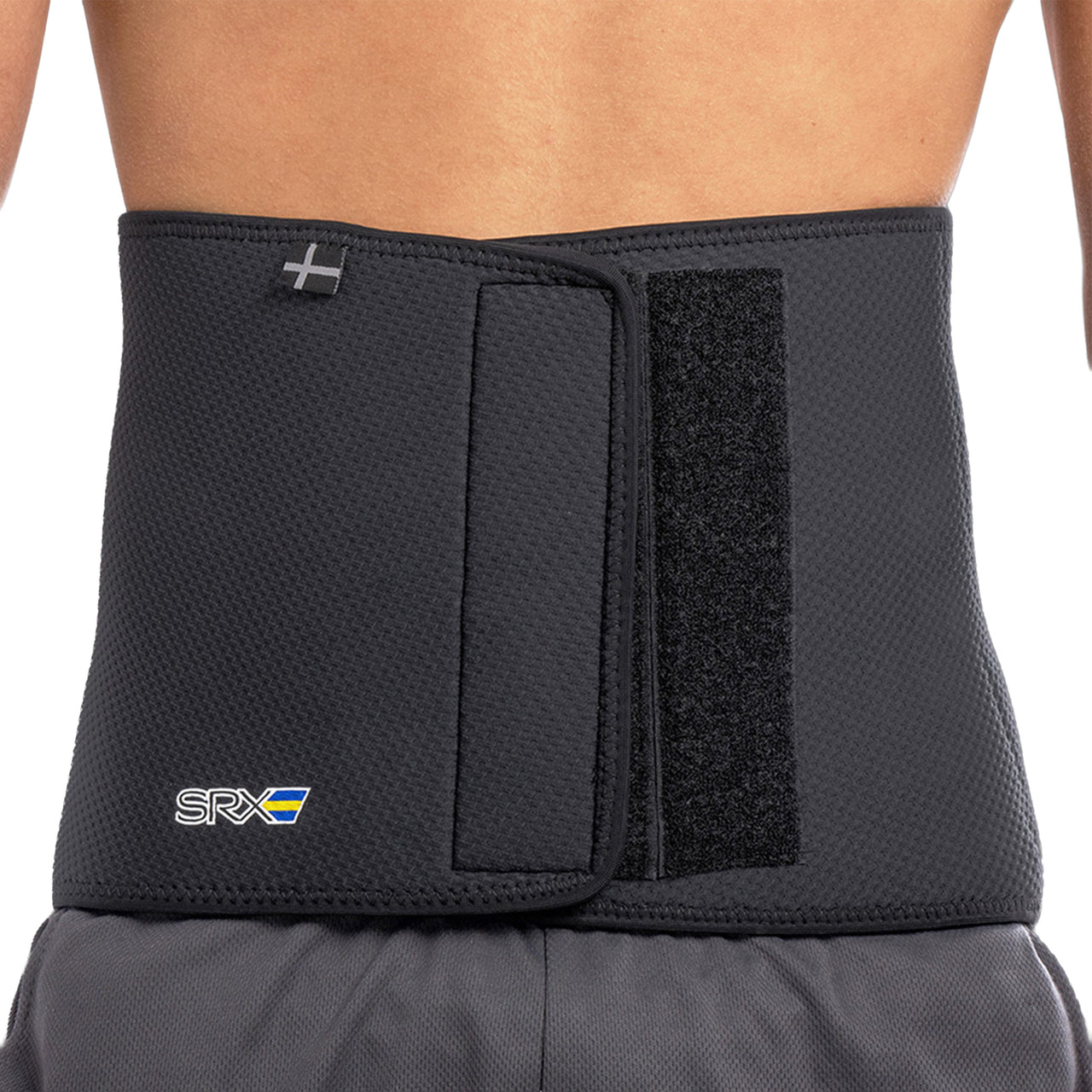
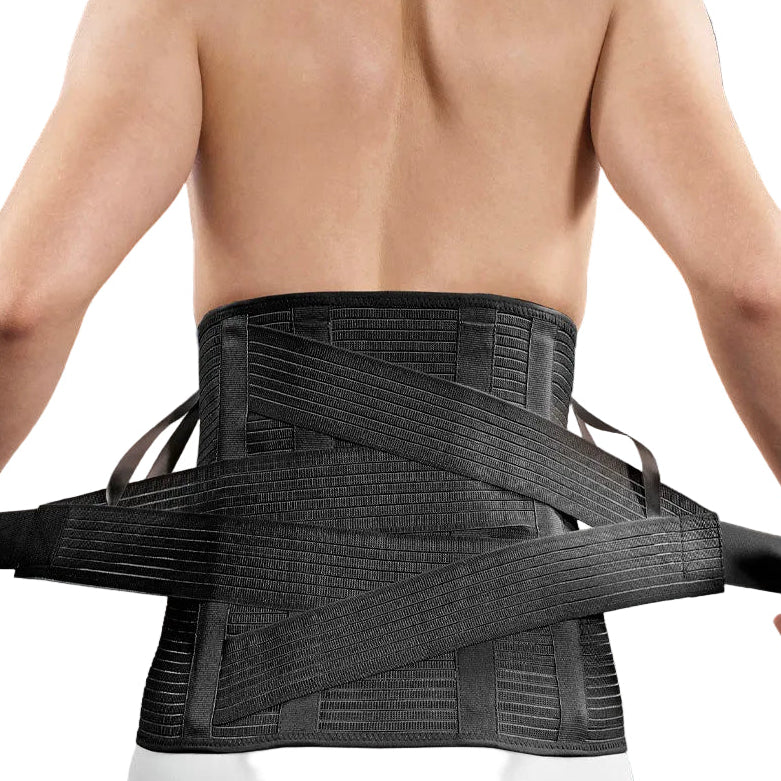
With acute low back pain, the right support and offloading can help reduce pain and increase confidence during recovery. A stabilising back brace can help counteract a forward-flexed posture and provide extra support during movement, while a compression back brace may relieve pain and improve the feeling of core stability. Ergonomic aids that improve posture while sitting can also reduce strain on the back. For the best recovery, a back support should always be combined with regular movement and activity adapted to your symptoms. Complete bed rest should be avoided.
See our products that can help relieve acute low back pain
Related injuries
In the Back Injury Guide, you can read more about common back injuries and conditions. You can also go to the Injury Guide's main page to read about other injuries and symptoms.