
Advice from our physiotherapist

ADVICE & SUPPORT

Talk to our physiotherapist

Need help? Ask Eir, Rehaboteket's AI assistant.

Back braces

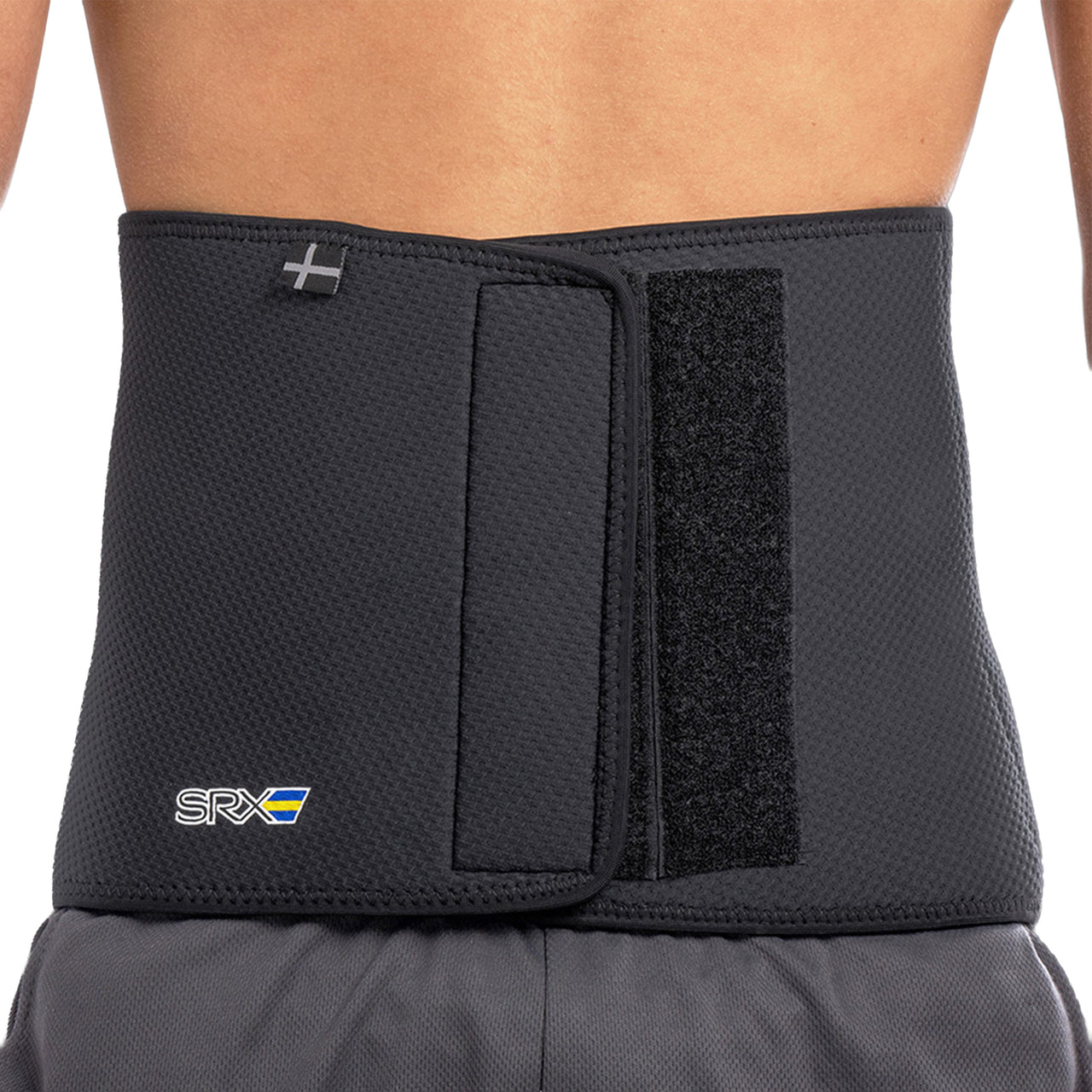
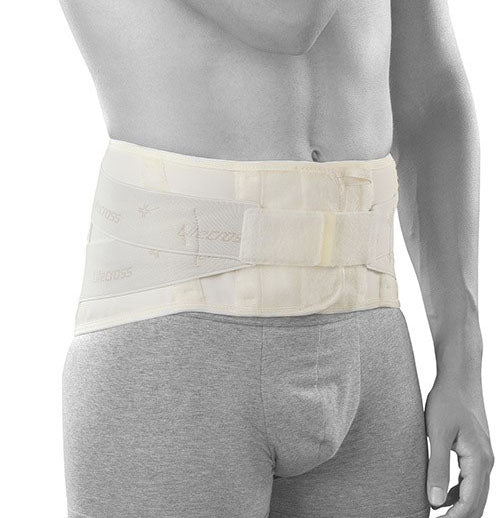
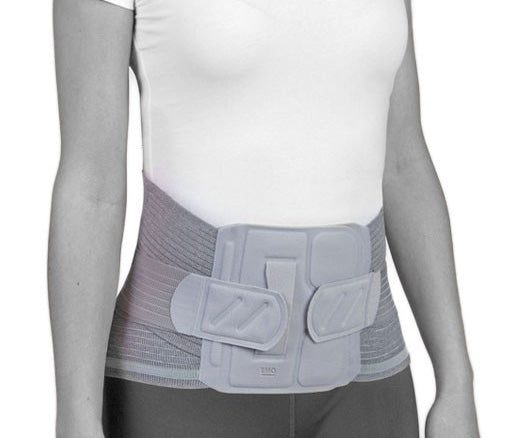
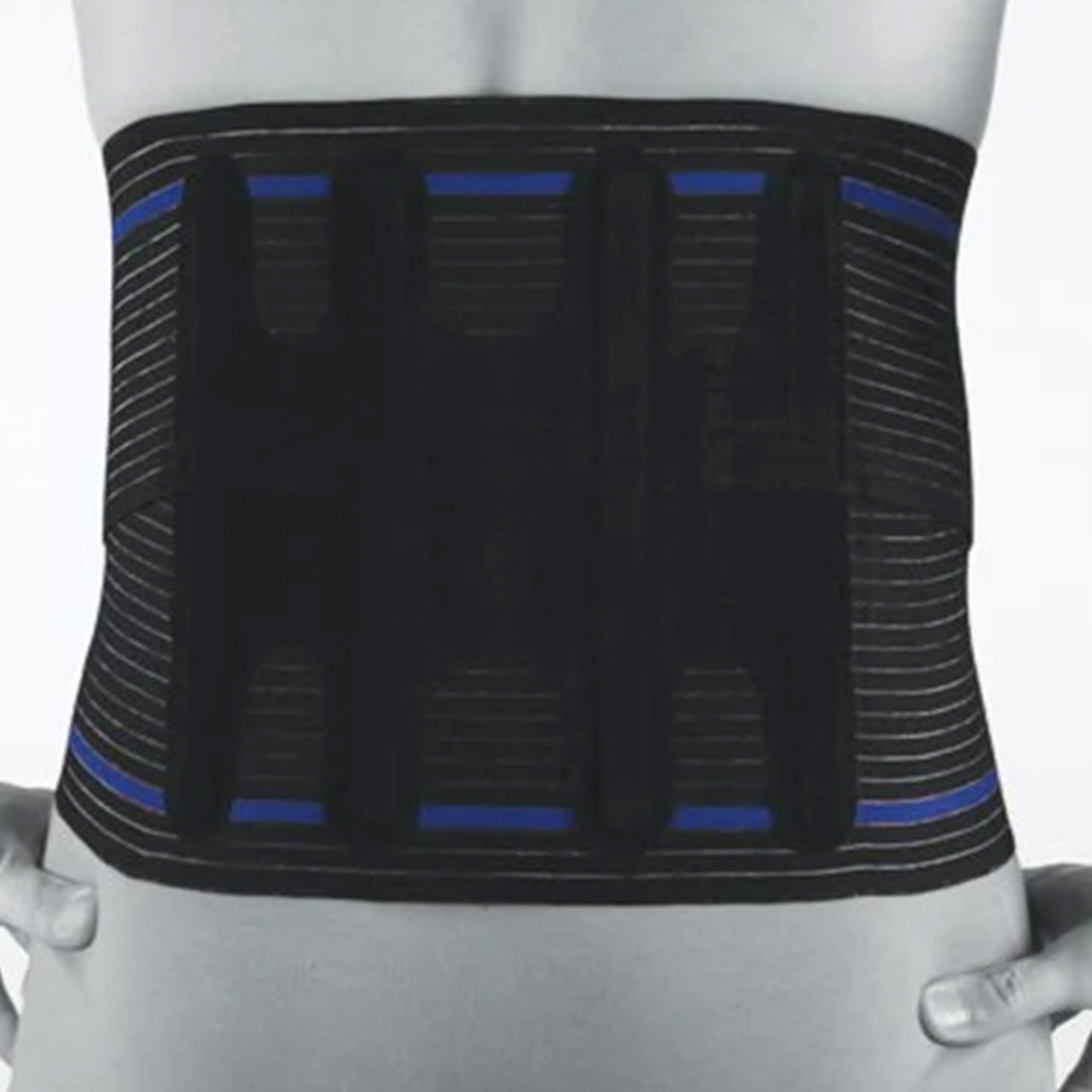
Back problems are common and can occur due to muscular pain, backache, instability, or more long-term problems in the lower back. The right back brace can contribute to reduced strain, increased stability, and safer movement in both everyday life and work. Here you will find a wide, hand-picked range of back braces in different designs, selected by our licensed physiotherapist who is responsible for Rehaboteket's advice and recommendations for rehabilitation and strain-related problems.

Back braces are often used for back pain, muscular pain, disc-related problems, and instability, but do not replace medical assessment for persistent or severe pain.

11 Products

Frequently asked questions about back braces

Back bracesfor safe relief in everyday life and work

Most people experience back pain at some point in their lives, often linked to overload, one-sided work, or sudden movements. A well-tested back brace can make a clear difference when lower back pain, a herniated disc, or sciatica interferes with everyday life. The support provides compression and stability where you need it most without restricting movement more than necessary. For those who lift heavy at work, recover from injury, or live with long-term back problems, there are models with adjustable drawstrings, flexible splints, and a warming effect that increase comfort. Ergonomic design and breathable material make it easier to wear the support during walks, work sessions, and training. Choose a model based on your situation and activity level to relieve your back while maintaining function in everyday life.

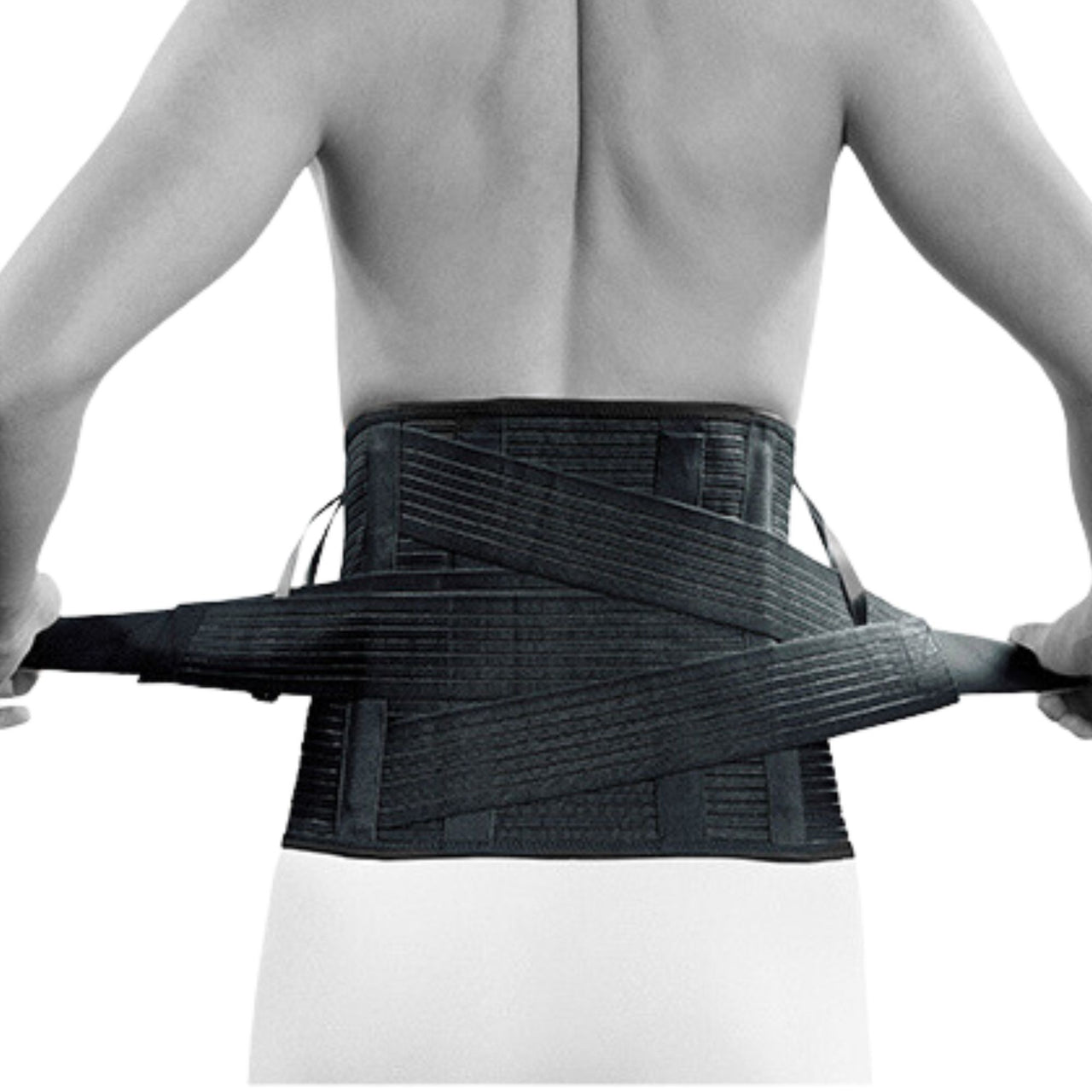
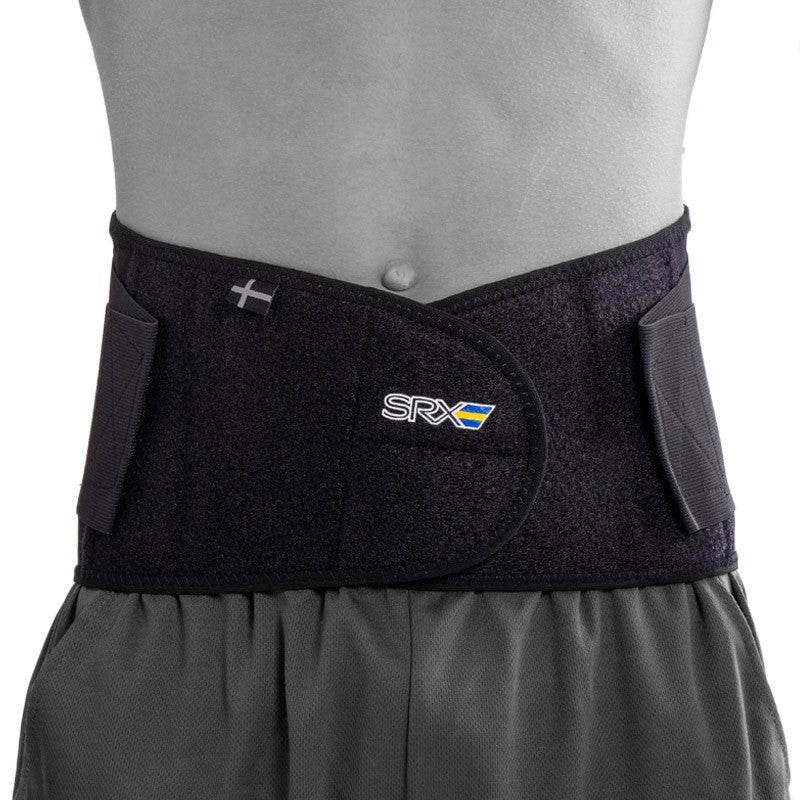
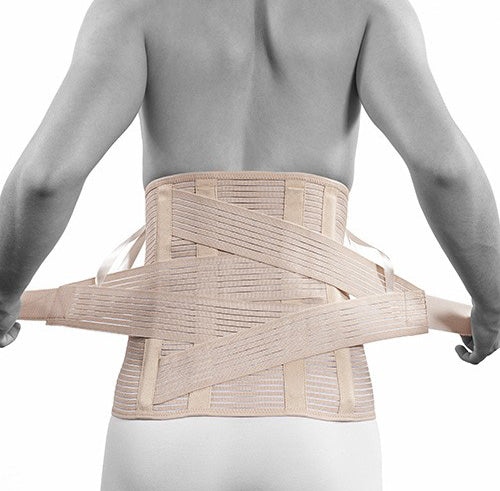
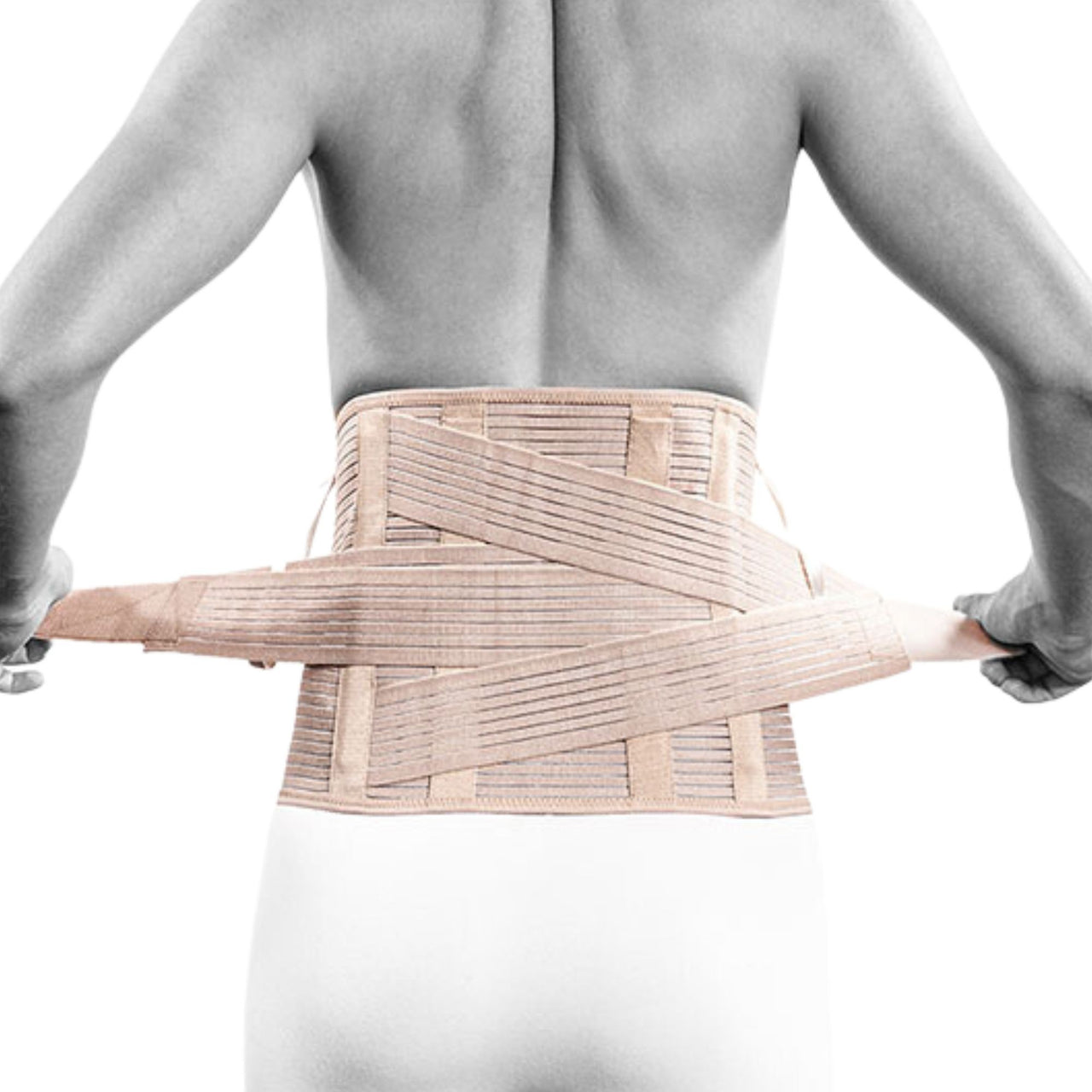
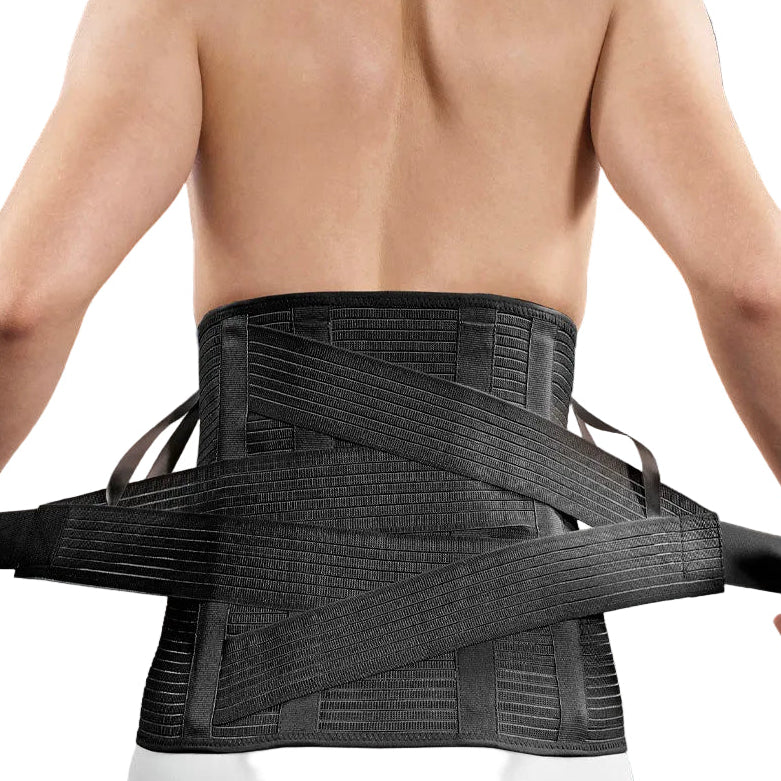
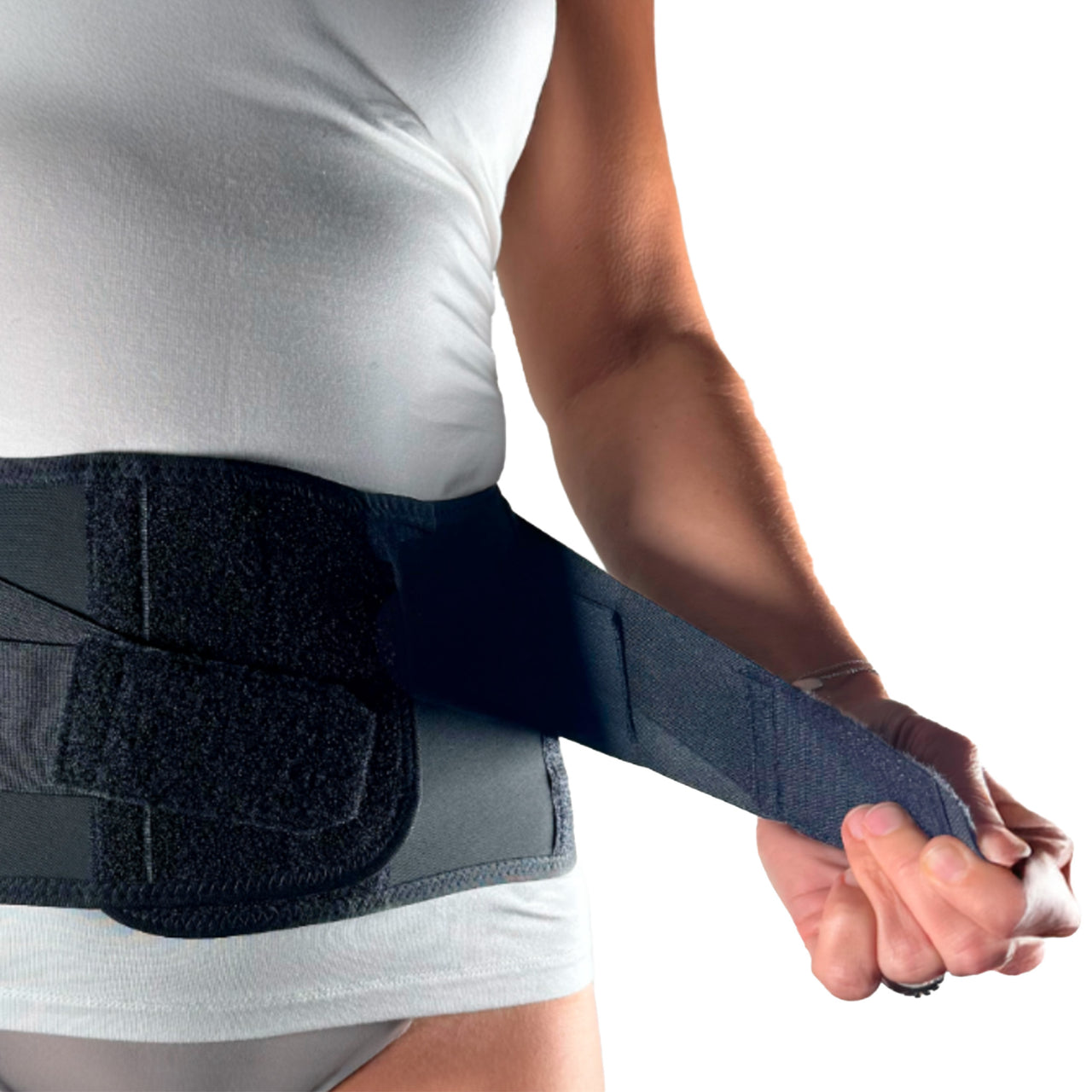
Back braces work by providing external support around the torso, relieving the strain on the structures of the back and reminding the body of a more favorable posture. Many models are equipped with malleable lumbar supports that can be adjusted to the natural curve of the back for optimal fit and effect. Additional stabilizing straps make it possible to adjust the degree of support and compression depending on where in the back the problems are located.

How to find the right back brace

Our range includes back braces for both short-term and longer-term problems, adapted for work, everyday life, and activity. Start from your problems and your daily stress.

  • In the case of an acute back injury, high stability and marked compression are often required.
  • For recurring lower back pain, a flexible support that can be quickly put on and taken off during the day is suitable.
  • If you do heavy lifting at work, a wide lumbar area and sturdy straps are a common requirement.
  • In cases of radiating pain or herniated discs, many people want support that relieves pressure without completely blocking movement.
  • Feel free to supplement with a lumbar support pillow when sitting for a long time.
  • For discreet use under clothing, a low model works well

Different materials for different needs

The choice of material has a great impact on how a back brace is experienced and functions in practice.

  • MCM : Brushed cotton woven into elastic microfiber that combines good ventilation with comfortable compression. Great for everyday use.
  • NeoTEX : A thermal insulating material that provides warmth to the surrounding muscles. Heat can help to soften tense muscles and counteract hypothermia.
  • CoTEX : A stronger compression material with breathable properties. Provides firmer support and more effective relief when greater stability is needed.

Tips and advice when using back braces

Use
Back braces can be worn directly against the skin or over a thin garment. Many people prefer to wear a sweater underneath for increased comfort and reduced need for washing.

Adaptation of rails
Back braces with rails are delivered straight and can be easily shaped to follow the curve of the back. The fit can be adjusted over time as needs change.

Support adjustment
Additional stabilizing straps allow you to adjust the support. By placing the straps lower, higher, or tightening them more, the support can be directed to the right area of the lower back.

Why back braces are appreciated

  • Compression reduces strain on the lower back both during movement and sitting
  • Adjustable straps and sometimes splints provide stability that creates safer lifting and everyday movements
  • Breathable material and ergonomic shape provide high comfort for longer periods of time
  • Together with a posture corrector, the thoracic spine can also be relieved
  • A warming back brace is often found to relieve muscular pain

If your lower back needs extra help in everyday life or when lifting at work, choose a back brace that matches your needs and get started today.