
Bestseller
Bestseller
Ofte stillede spørgsmål om specialindlæg og ortopædiske indlæg
Specialindlægssåler til målrettet aflastning og stabilitet
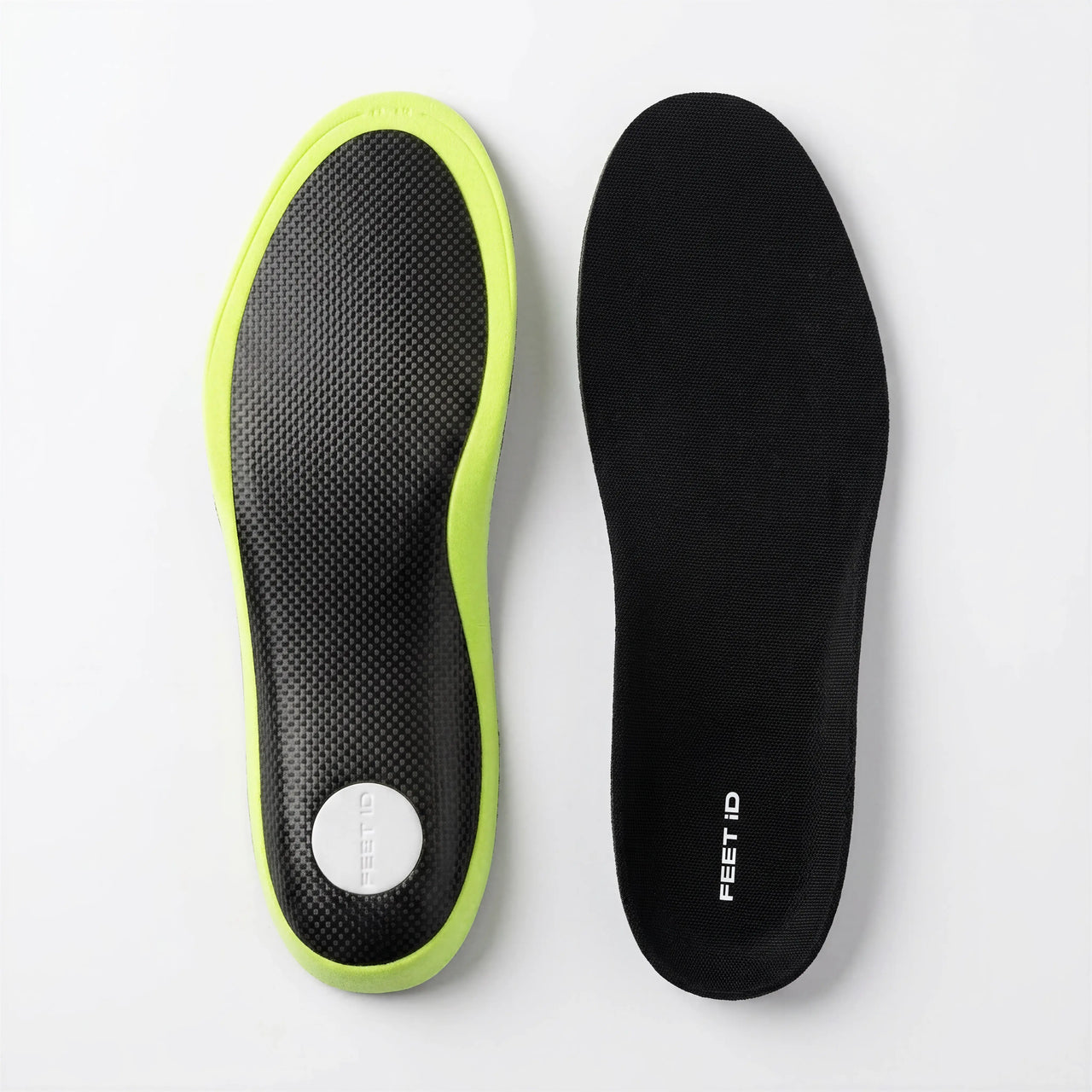
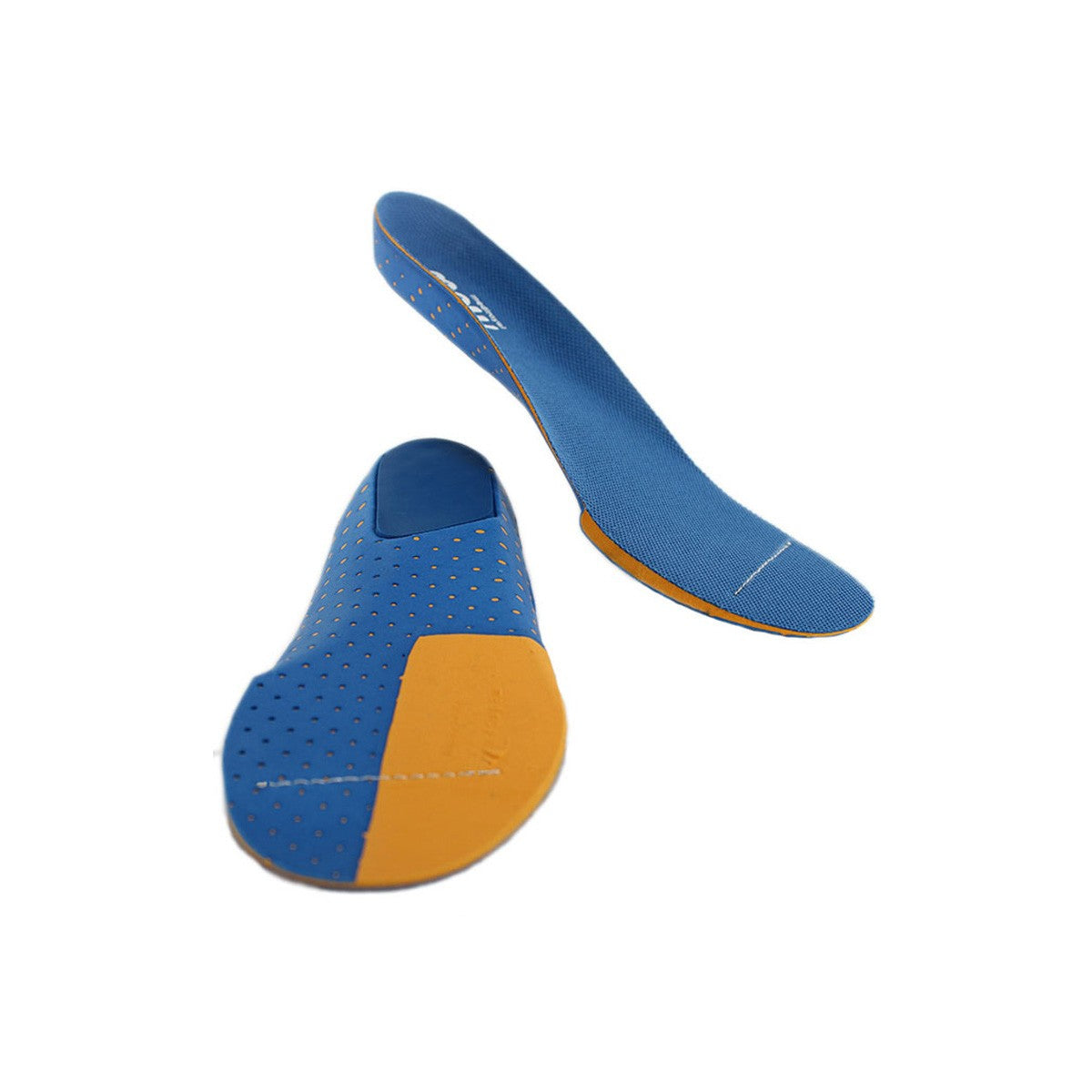
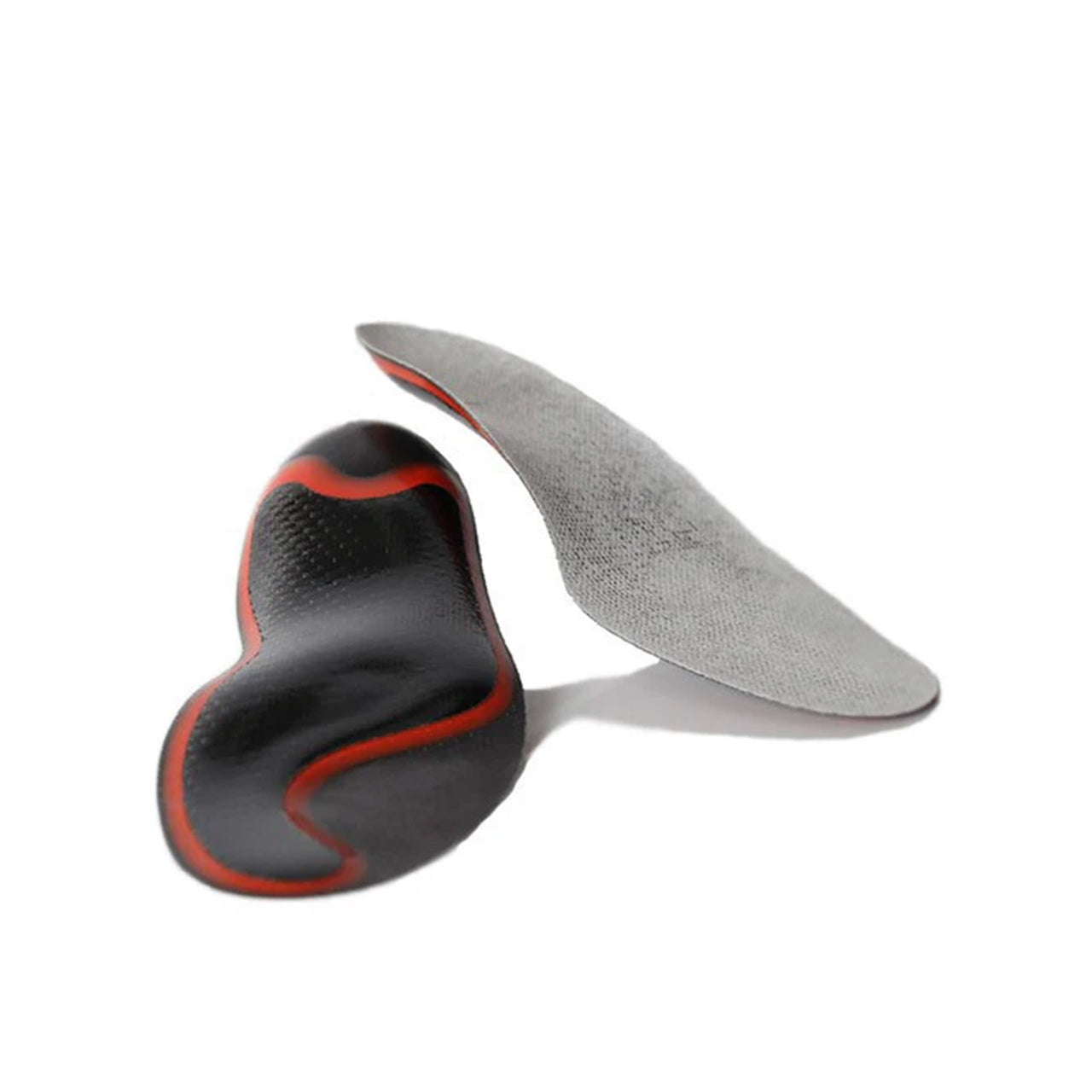
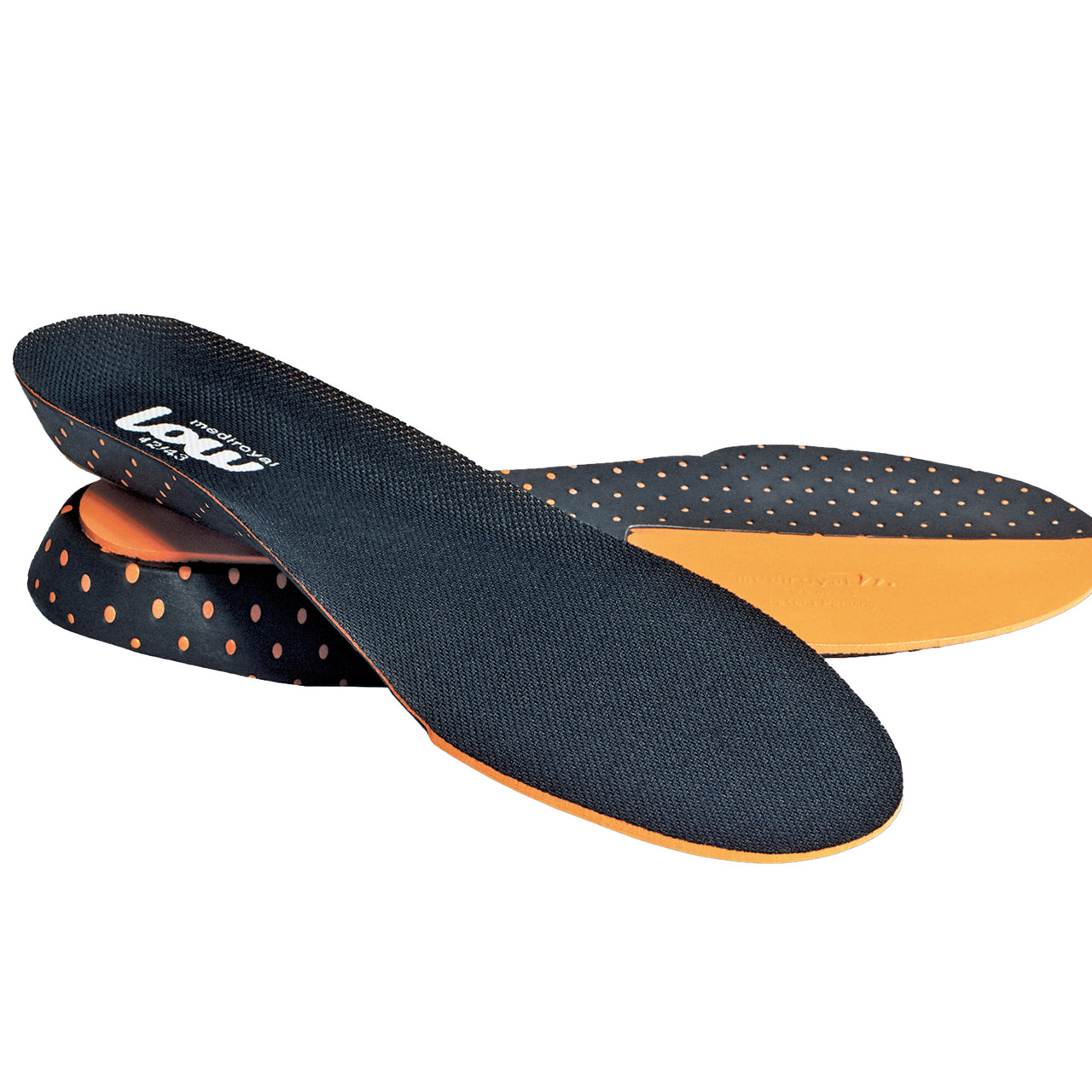
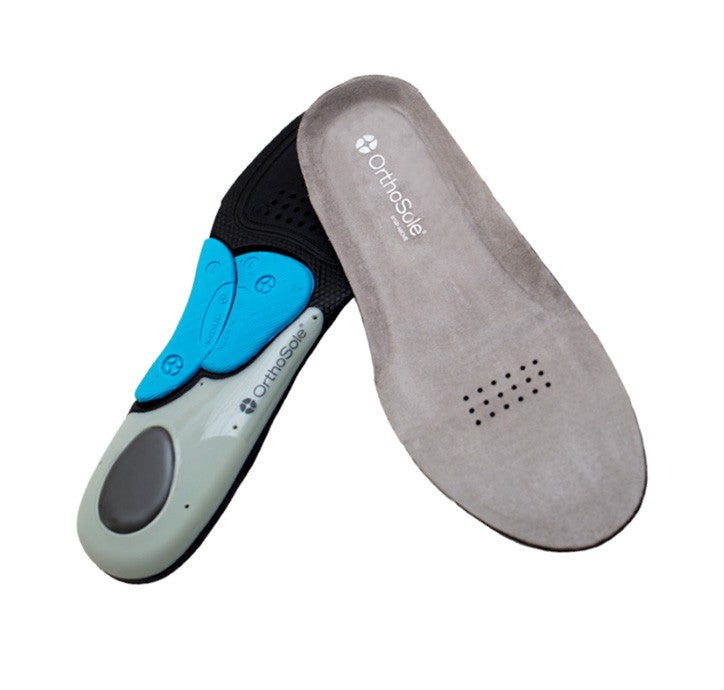
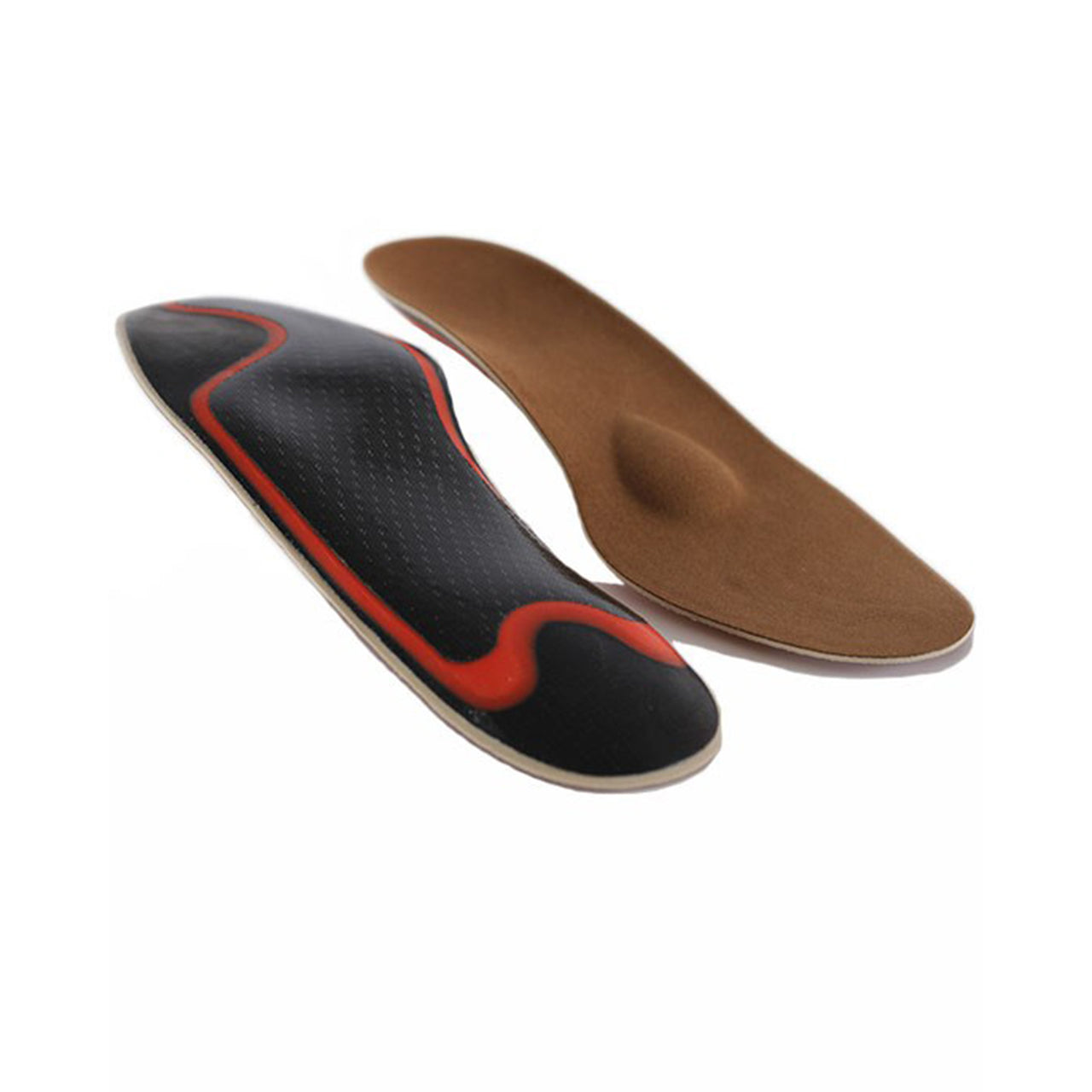
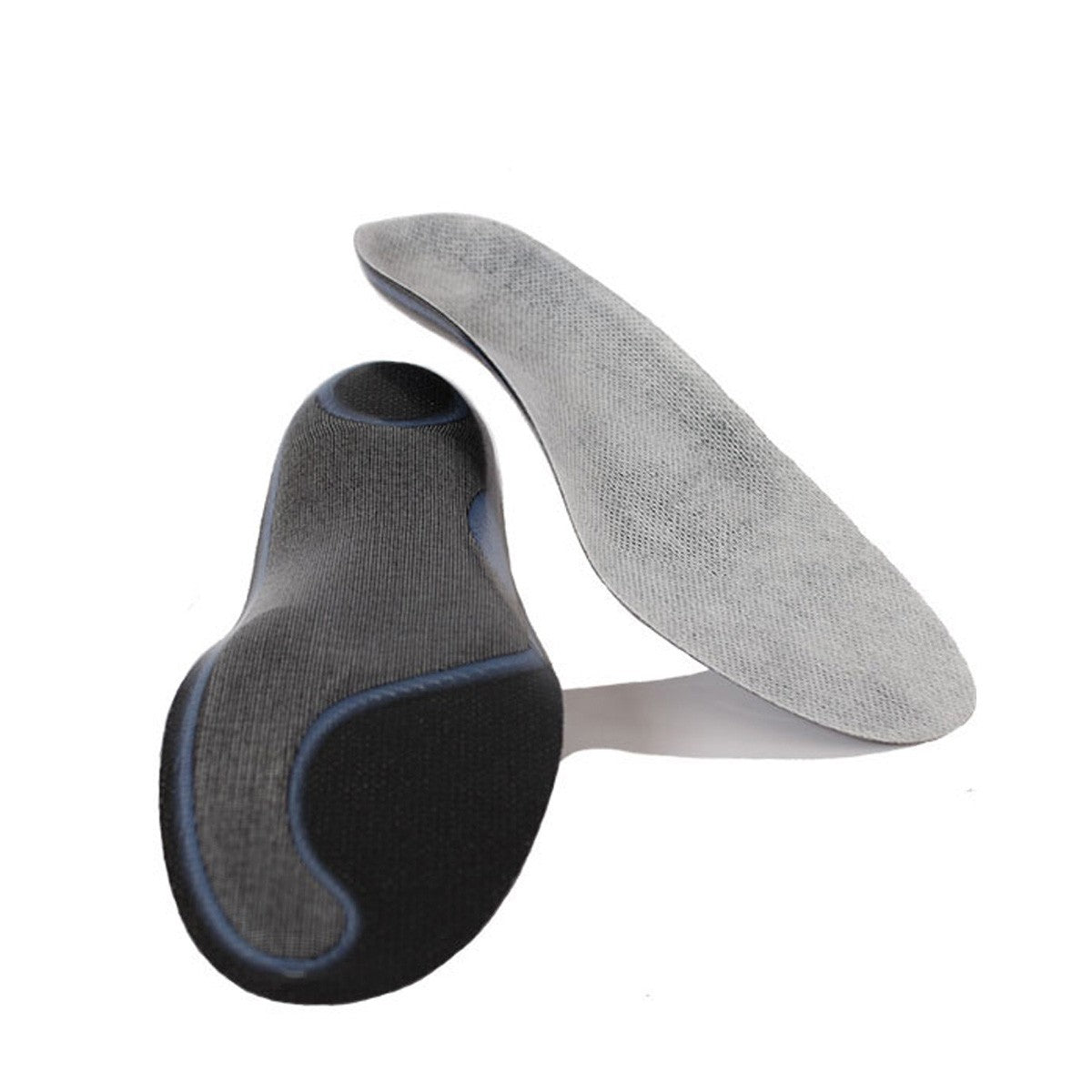
Specialindlægssåler giver målrettet aflastning, korrektion og støddæmpning til fødder, der har brug for mere end almindelige indlægssåler. De kan reducere smerte, øge stabiliteten og støtte en mere balanceret gang for dem med hælspore, pronation, supination, høje svang eller artrose. Sortimentet inkluderer ortopædiske skalsåler, dynamiske fodsenge samt modeller med en tydelig hælkop, pelot og korrigerende zoner. Målet er at guide foden til en mere gunstig position i skridtet og dermed aflaste knæ, hofte og lænd. Mange modeller er CE-mærkede og udviklet med ortopædisk teknisk ekspertise. Vælg mellem indlægssåler til hverdag, arbejde og træning samt tynde muligheder, der passer i tætsiddende sko. Med de rette specialindlægssåler kan skridtet føles blødere, mere kontrolleret og mindre belastende fra første brug.
Vælg specialindlægssåler efter din tilstand og aktivitet
Hvis du pronerer, kan en skalsål med medialt støtte og en tydelig hælkop hjælpe foden med at rulle mere jævnt gennem skridtet. Ved supination giver en lateralt støttet sål en mere jævn belastning og en sikrere landing. Hælspore aflastes ofte af en dyb hælkop, støddæmpning i bagfoden og et fast længdegående svangstøtte. Høje svang drager fordel af stabilt svangstøtte, der fordeler trykket over et større område. I tilfælde af artrose i forfoden eller hallux rigidus kan en stivere forfodszone og pelot reducere smerte under stortåleddet og tværbuen. Tilpas valget efter sko og brug. En tynd profil er velegnet til løbesko og sneakers, mens ekstra dæmpning fungerer i arbejdesko og støvler. Test derhjemme i dine mest almindelige sko og mærk, hvordan støtte, dæmpning og pasform interagerer hele dagen.
Fordele i hverdagen, sport og arbejde
- Målrettet aflastning ved hælspore, pronation, supination og høje svang, der reducerer smerte og træthed
- Et skridt kan belaste foden med op til tre gange kropsvægten, hvilket retfærdiggør ekstra støtte og støddæmpning
- Mange modeller er CE-mærkede og bygger på ortopædiske principper for stabilitet og korrektion.
- Tydelige funktionelle valg som hælkop, pelot, skalkonstruktion og dynamisk svangstøtte til forskellige behov
- Tilgængelige for flere aktivitetsniveauer, fra stille arbejde til løb, samt i tynde og mere dæmpede versioner til forskellige sko
Hvilke indlægssåler er bedst?
Det afhænger af problemets art.
- Pronation: Medialt støtte, dyb hælkop og skalsensation.
- Supination: Støtte på ydersiden, jævn dæmpning og stabil hæl.
- Hælspore: Dyb hælkop, blød dæmpning i bagfoden og fast svangstøtte.
- Høje svang: Kontureret længdegående svangstøtte og jævn trykfordeling.
- Hallux rigidus: Stivere forfod og aflastning under tværbuen.
Tag det næste skridt mod et mere komfortabelt og stabilt skridt. Filtrer efter tilstand og aktivitet, og vælg specialindlægssåler, der giver den rette støtte, hvor du har mest brug for det.