
Pronation beskriver foden naturlige indadgående bevægelse under belastning og fungerer som en vigtig del af kroppens stødabsorbering. Hos de fleste er pronation helt normal, men når vinklen bliver for stor, opstår overpronation, som kan føre til smerte og overbelastningsskader.
Hvad er pronation i foden?
Pronation betyder, at foden bevæger sig indad under belastning. En normal pronationsvinkel er omkring 6–8°, mens mild pronation er 9–11°. Overpronation, mere end 11°, øger risikoen for overbelastningsskader i foden, underbenet og overkroppen. Personer med platfod pronerer altid, da den lave svang skaber en øget indadgående bevægelse.
Symptomer
- Smerte i foden, underbenet eller knæet
- Træthed i fødderne efter aktivitet
- Overbelastningsskader i fodens og benets bløddele
- Forkert holdning i skridt, der påvirker knæ, hofte eller ryg
Almindelige årsager & risikofaktorer
Overpronation er ofte relateret til lav svang eller platfod. Den kan forårsage eller forværre flere problemer, såsom skinnebensbetændelse, plantar fasciitis, smerter på indersiden af knæet og mediale artroseproblemer i knæleddet. Risikoen øges ved hårdt underlag, uegnede sko og høj belastning under sport eller i hverdagen.
Hvornår skal du søge lægehjælp?
Hvis du har vedvarende smerte, tilbagevendende skader eller problemer, der påvirker dit gangmønster og daglige aktiviteter, er det klogt at kontakte sundhedsvæsenet for yderligere vurdering.
Anbefalet beskyttelse & støtte
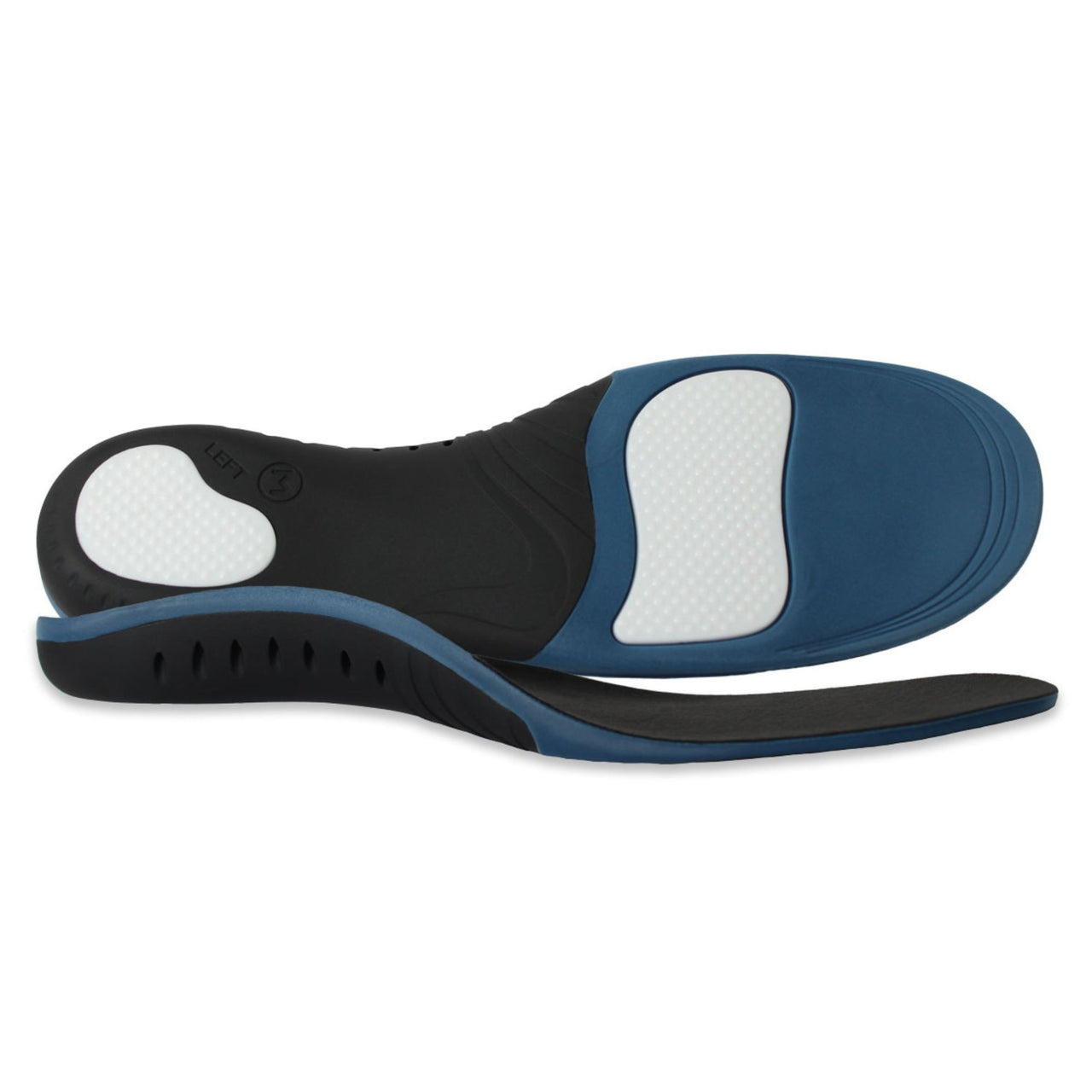
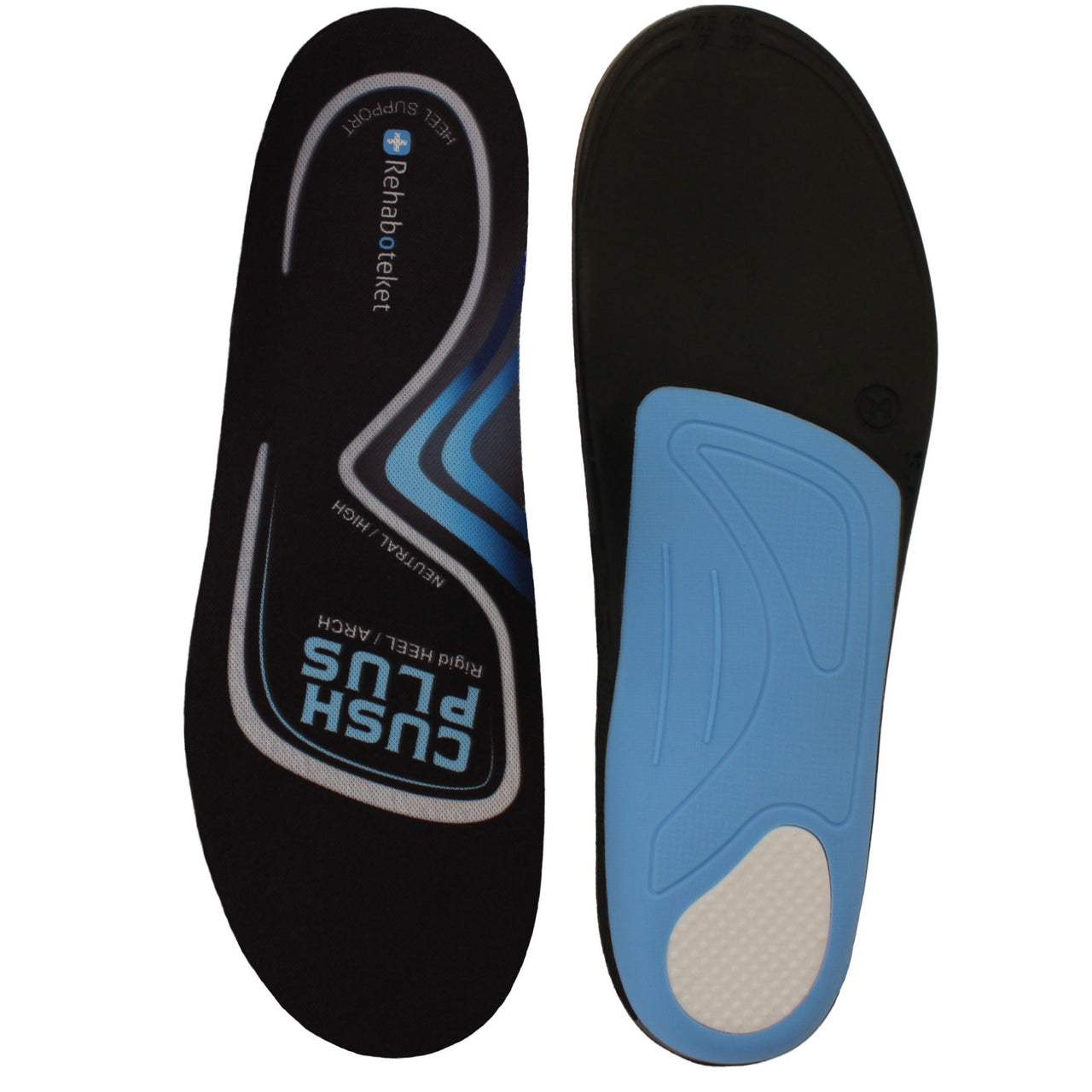
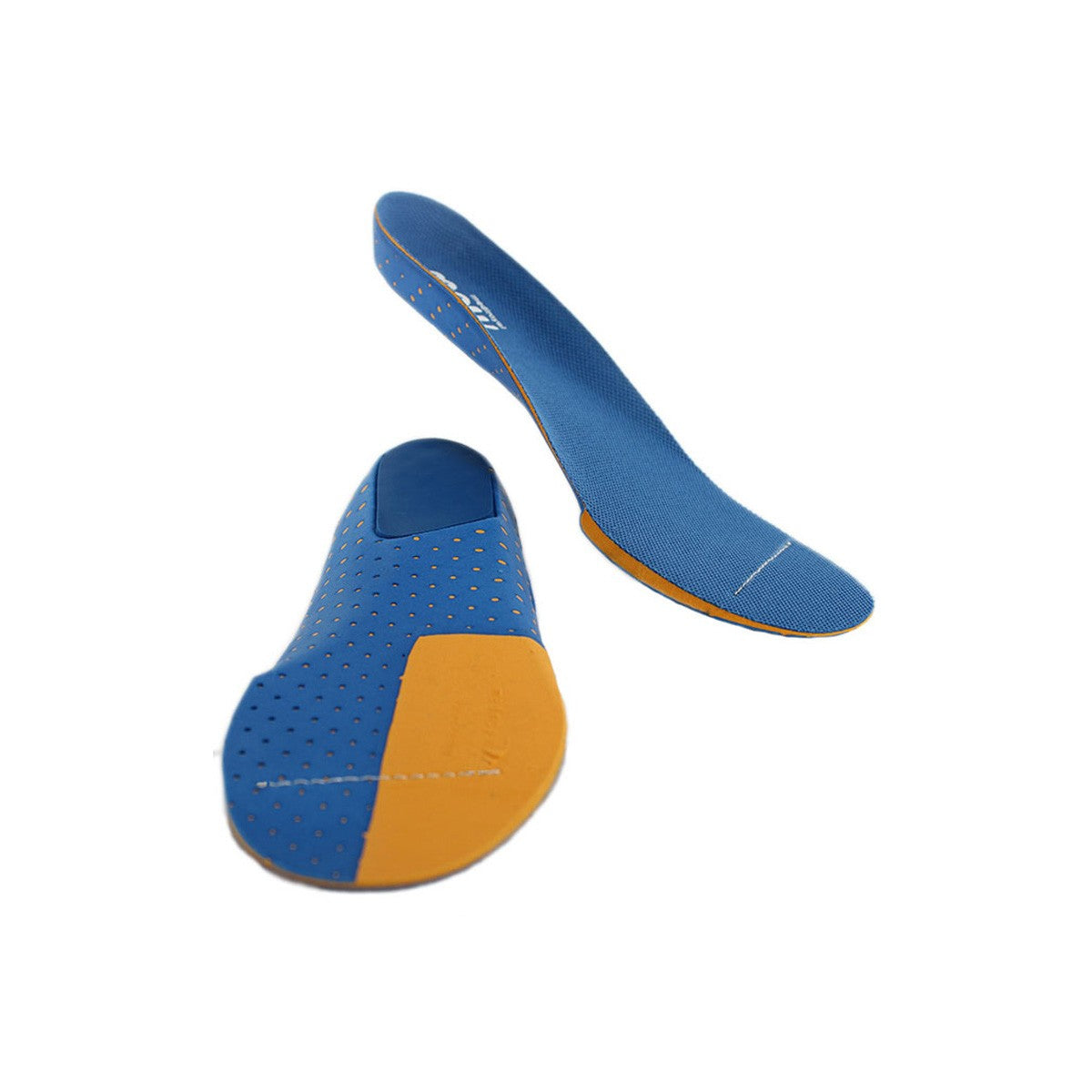
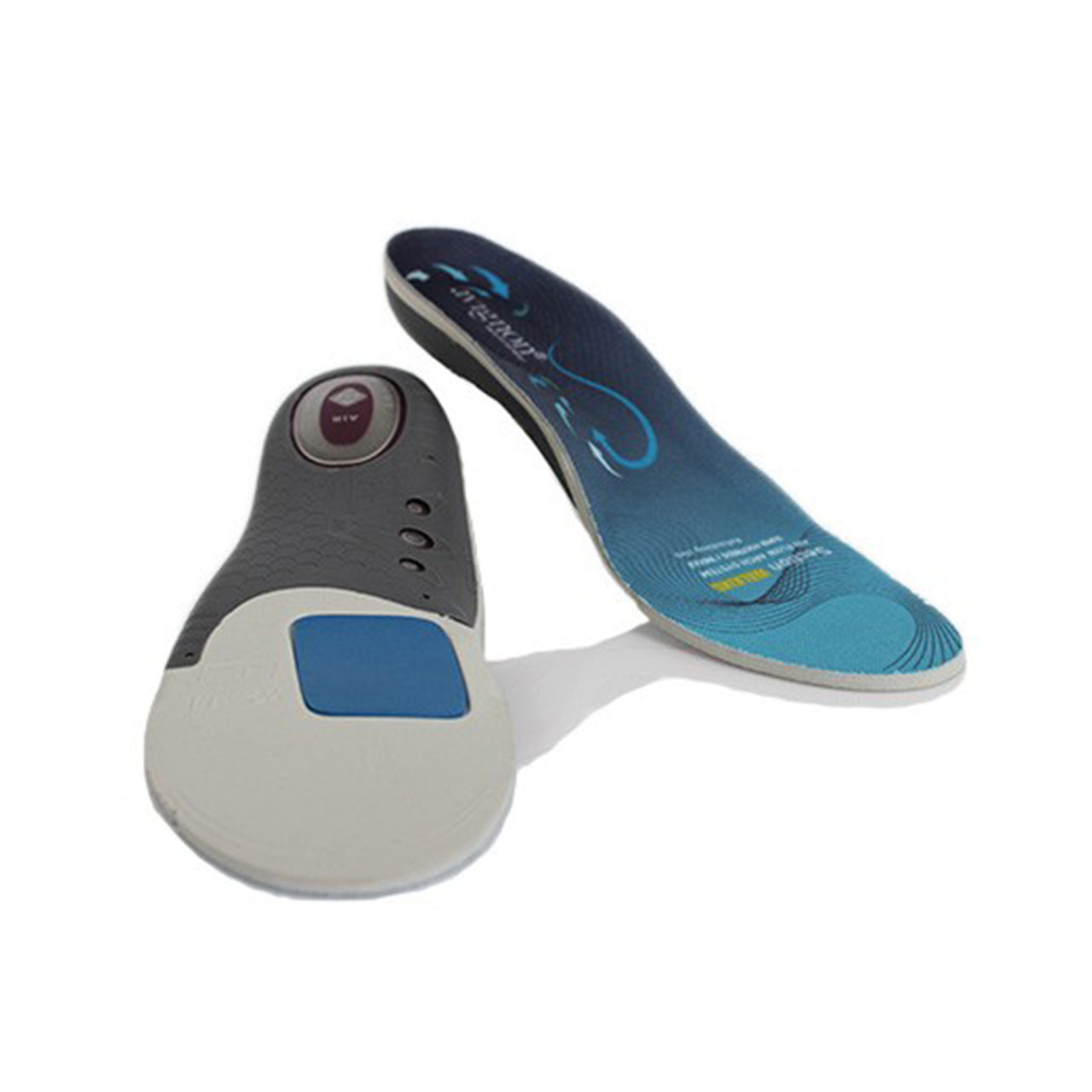
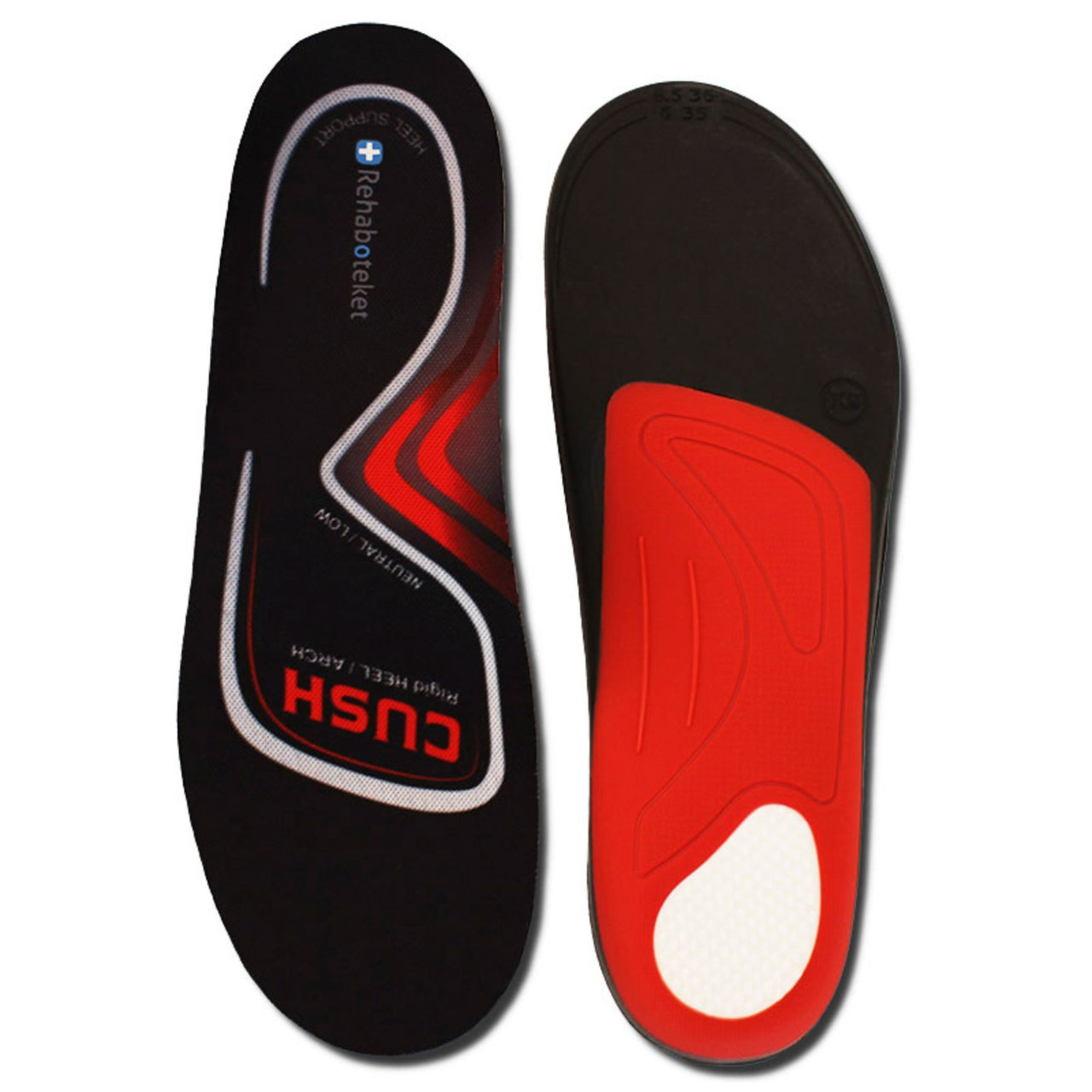
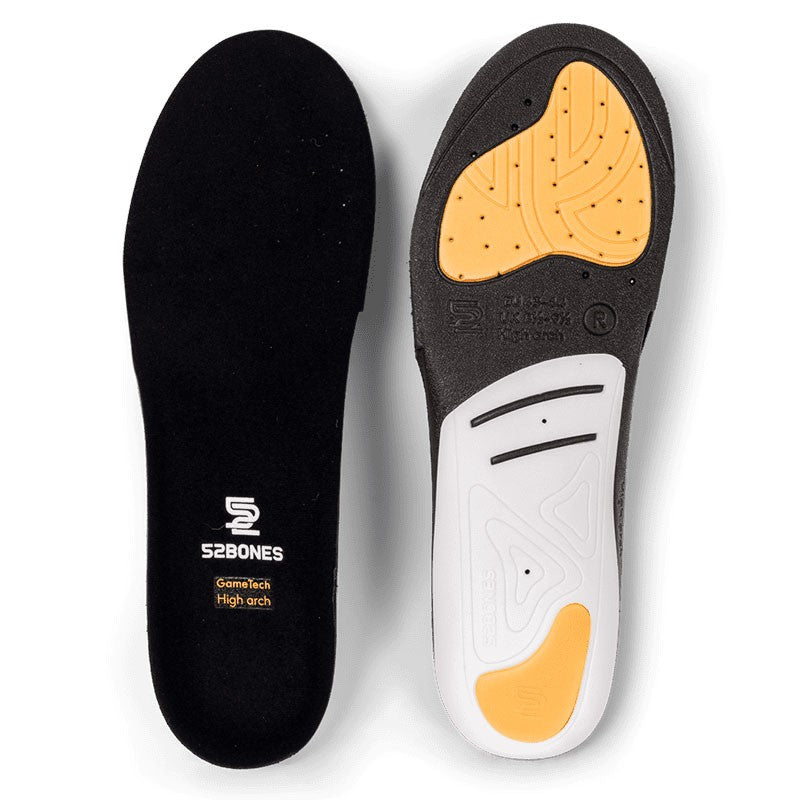
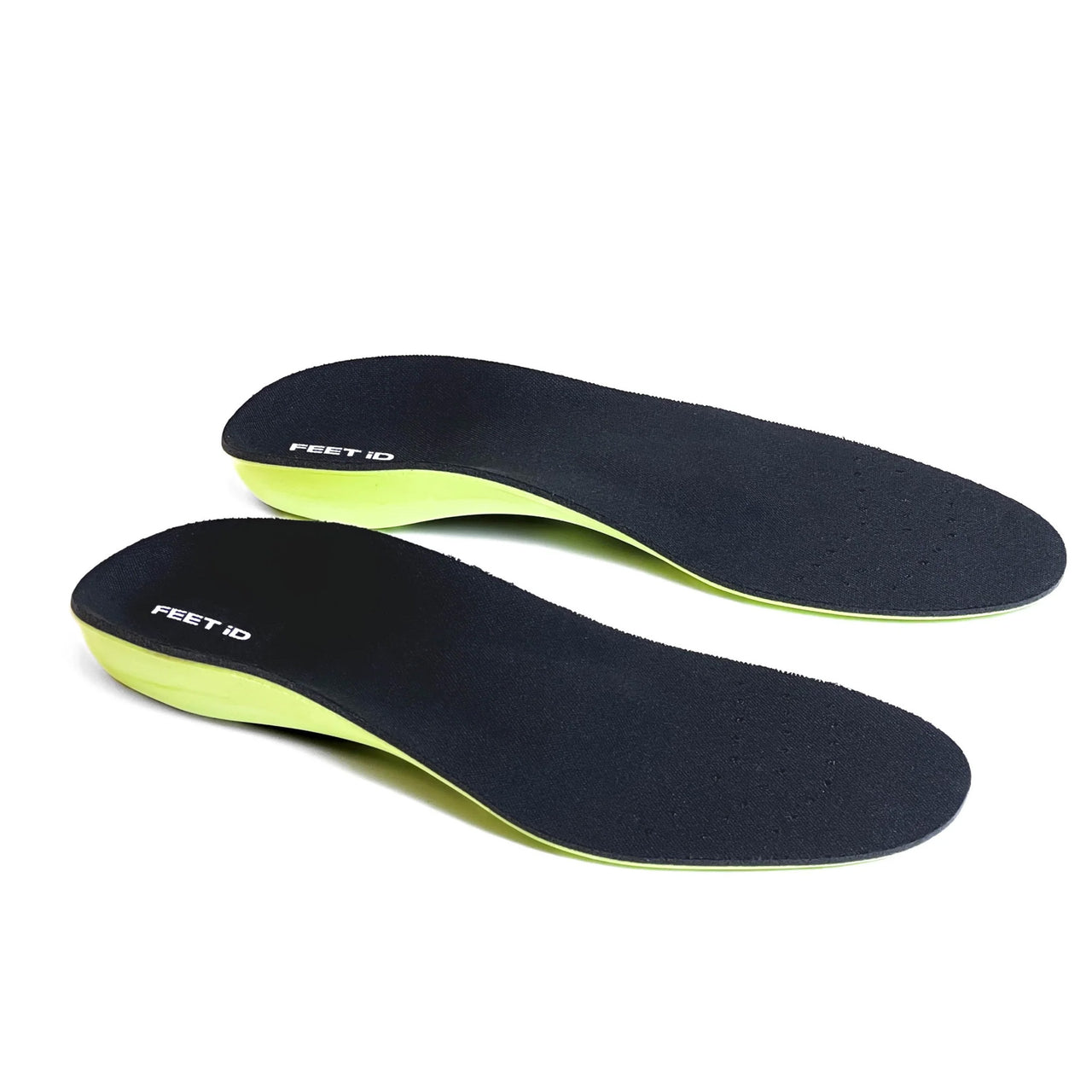
Ved pronation i foden kan den rette støtte bidrage til bedre stabilitet, belastningsfordeling og øget komfort i hverdagen og under aktivitet.
Se alle støtter og aflastningsprodukter, der kan hjælpe ved pronation
Relaterede skader
I vores Skadeguide Fod & Hæl kan du læse mere om almindelige skader og gener i foden. Du kan også gå til Skadeguidens hovedside for at læse om andre skader og symptomer.