
Et nedsunket forfodsbue er en almindelig tilstand, hvor den tværgående bue foran på foden er sunket ned. Det kan forårsage smerte, ømhed eller en brændende fornemmelse under forfoden, især ved belastning.
Hvad er et nedsunket forfodsbue?
Et nedsunket forfodsbue betyder, at den tværgående bue i forfoden mister sin elasticitet og synker. Når buen breder sig, øges trykket på hovederne af mellemfodsbenene i trampolinen.
Det øgede tryk kan føre til smerte, ømhed og hård hud under forfoden. Tilstanden udvikler sig ofte gradvist over tid og er relateret til svækkelse af muskler, sener og ledbånd i foden.
Almindelige årsager & risikofaktorer
Et nedsunket forfodsbue betyder, at den tværgående bue i forfoden mister sin elasticitet og synker ned. Når buen breder sig, øges trykket på hovederne af mellemfodsbenene i trampolinen.
Det øgede tryk kan føre til smerte, ømhed og hård hud under forfoden. Tilstanden udvikler sig ofte gradvist over tid og er relateret til svækkelse af muskler, sener og ledbånd i foden.
Symptomer
- Smerte eller brændende fornemmelse under forfoden
- Ømhed i trampolinen ved belastning
- Hård hud under mellemfodsbenene
- En følelse af at gå på en pude eller en sten i skoen
- Ubehag der forværres ved længere gåture
Symptomerne på et nedsunket forfodsbue opstår ofte, når forfoden belastes under gang eller stående aktiviteter.
Hvornår gør et nedsunket forfodsbue mest ondt?
Smerterne ved et nedsunket forfodsbue opstår ofte i situationer, hvor trykket på forfoden øges.
Ved længere gåture
Langvarig belastning kan øge trykket i trampolinen og forværre smerten.
Ved brug af smalle eller hårde sko
Sko med lidt dæmpning eller en smal tåboks kan øge trykket på forfoden.
Ved stående arbejde
Når forfoden belastes i lang tid, kan ubehaget gradvist øges.
Ved belastning på hårde overflader
Hårde gulve eller asfalt kan øge belastningen på forfoden.
Hvornår skal du søge lægehjælp?
Søg lægehjælp, hvis din forfods smerte er vedholdende, eller hvis det påvirker din gang. Du bør også søge lægehjælp, hvis smerten ikke forbedres trods vægttab, skift af sko eller brug af indlægssåler.
Anbefalede støtte & bandager
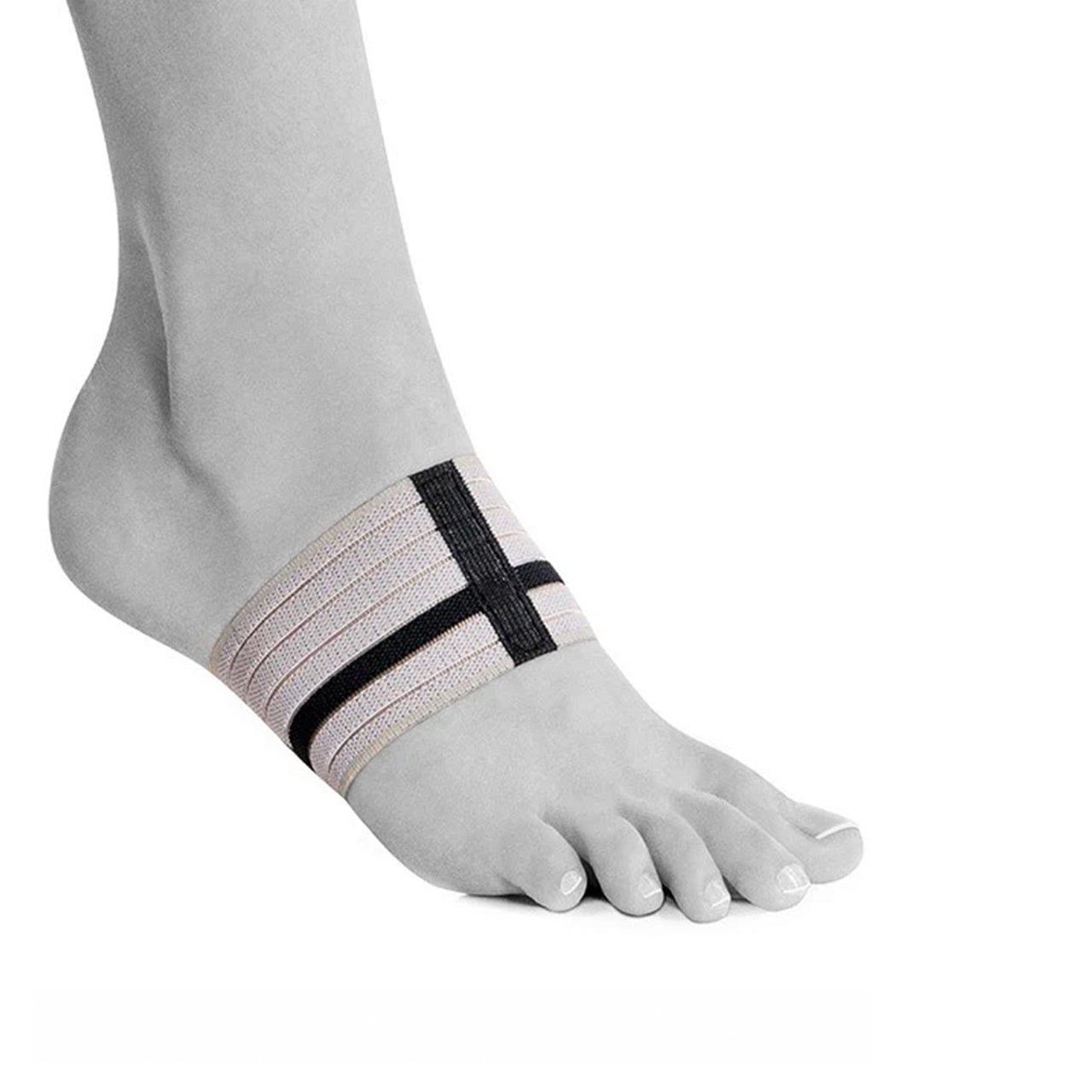
I tilfælde af en nedsunket forfodsbue kan den rette støtte og aflastning bidrage til at reducere smerte og øge komforten i hverdagen og under aktivitet.
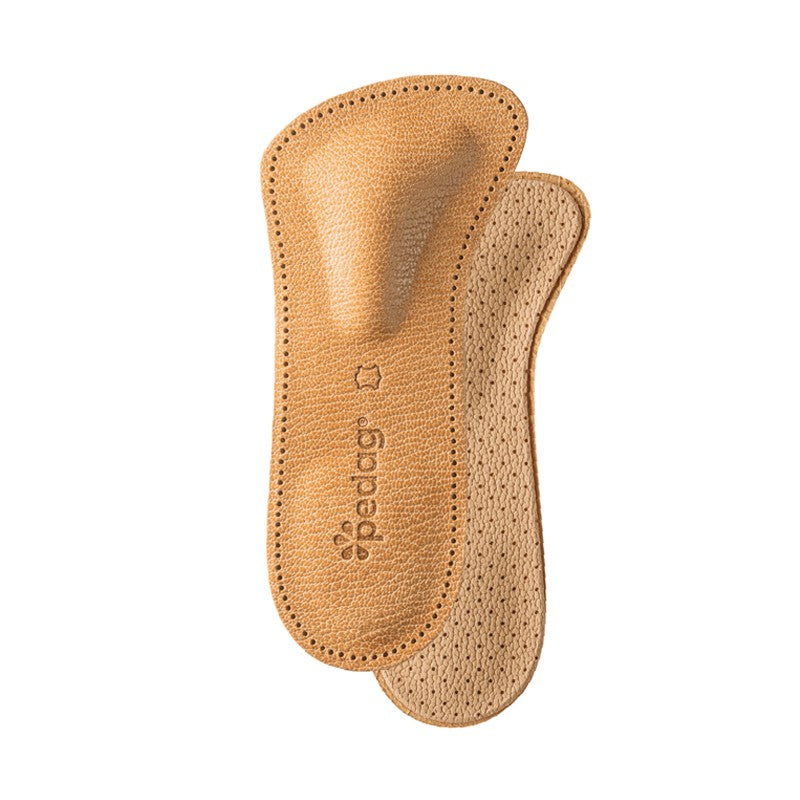
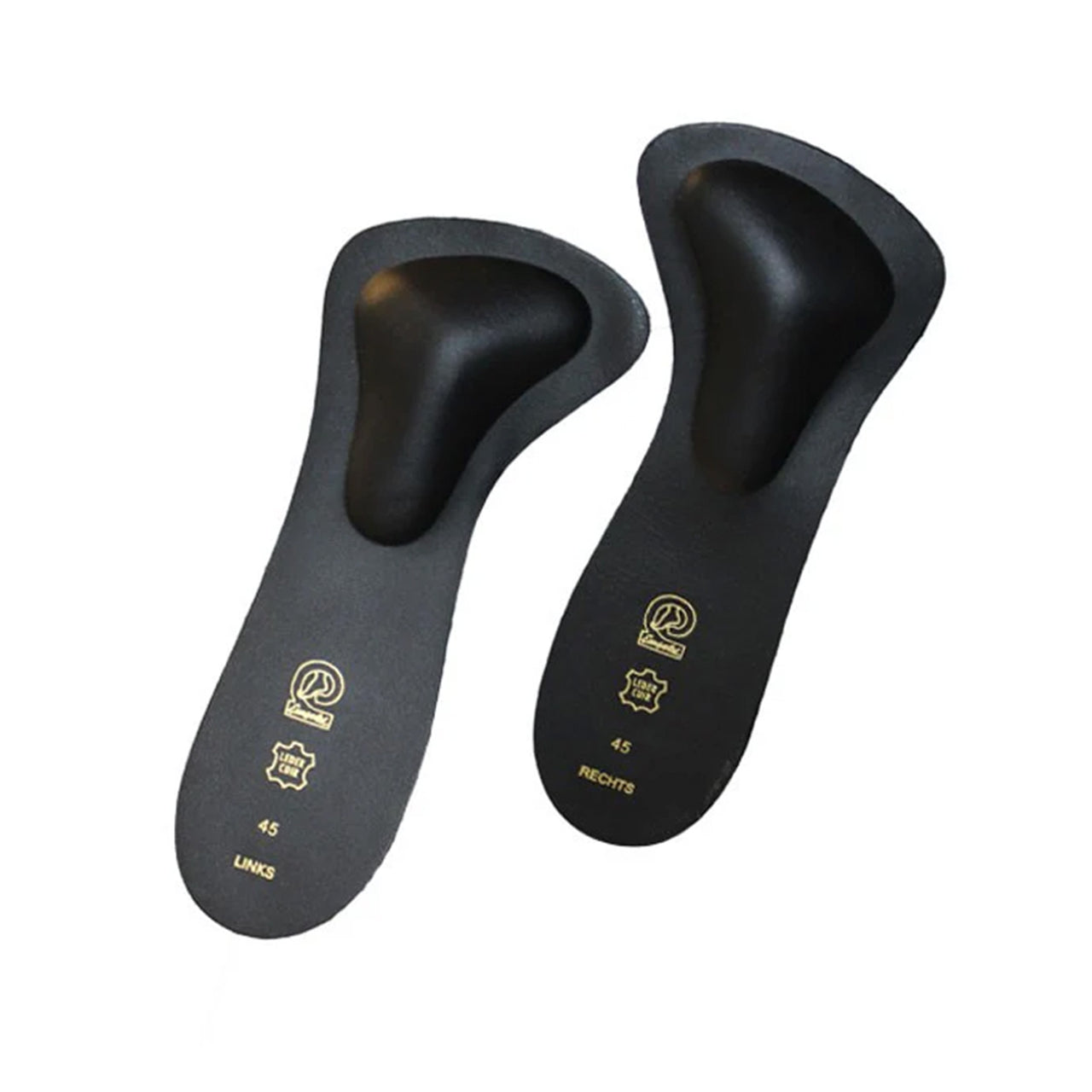
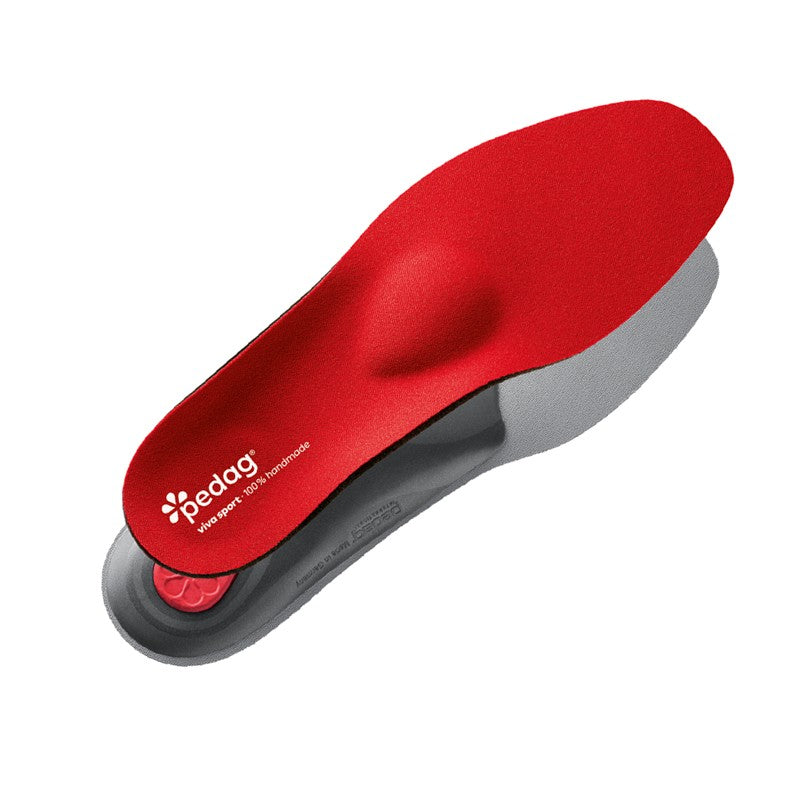
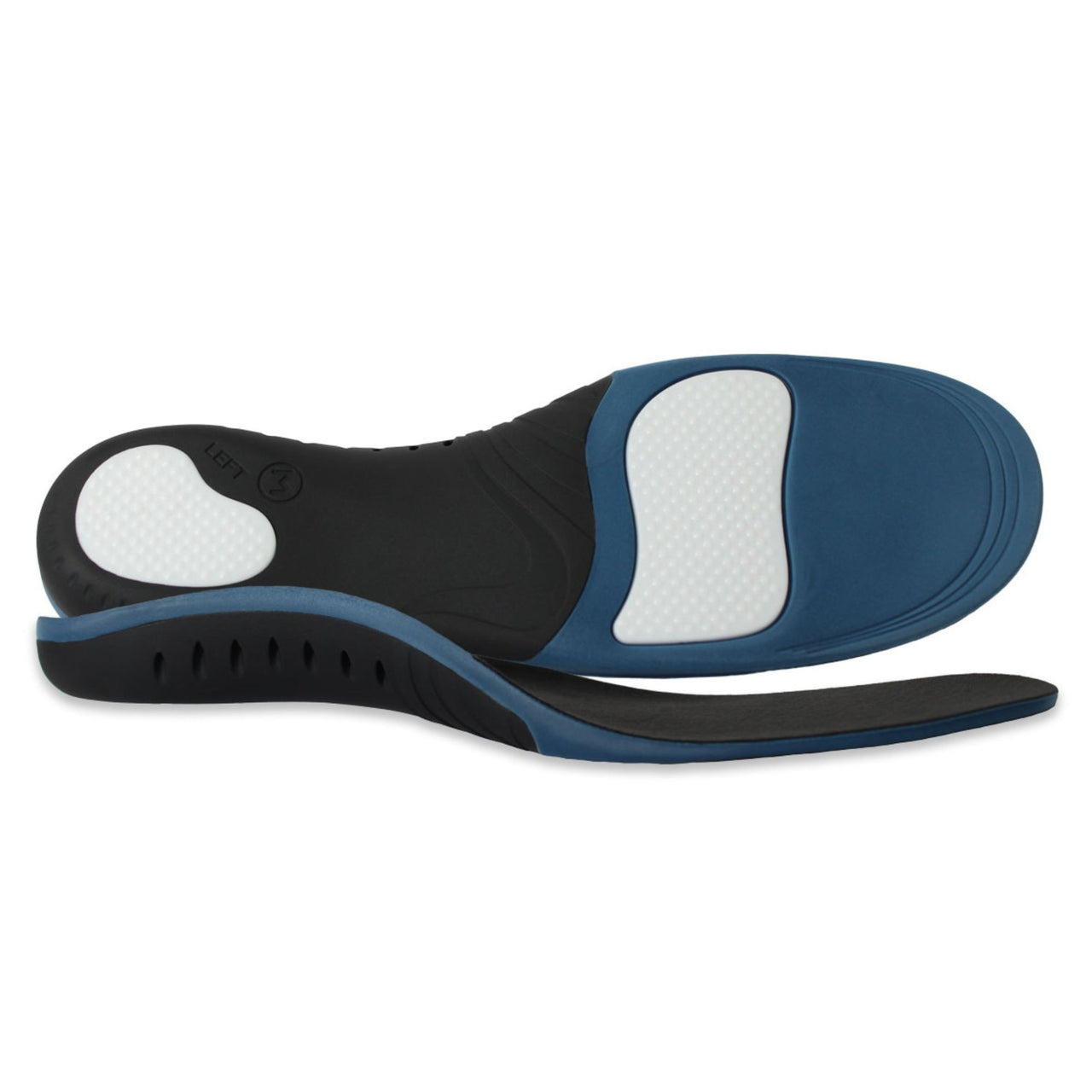
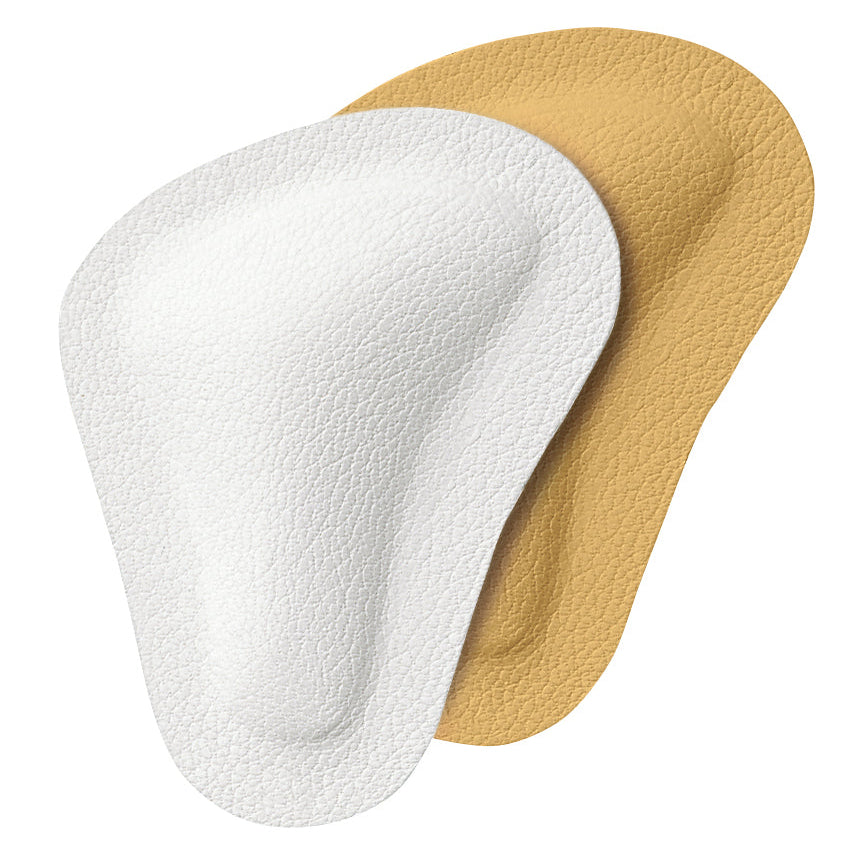
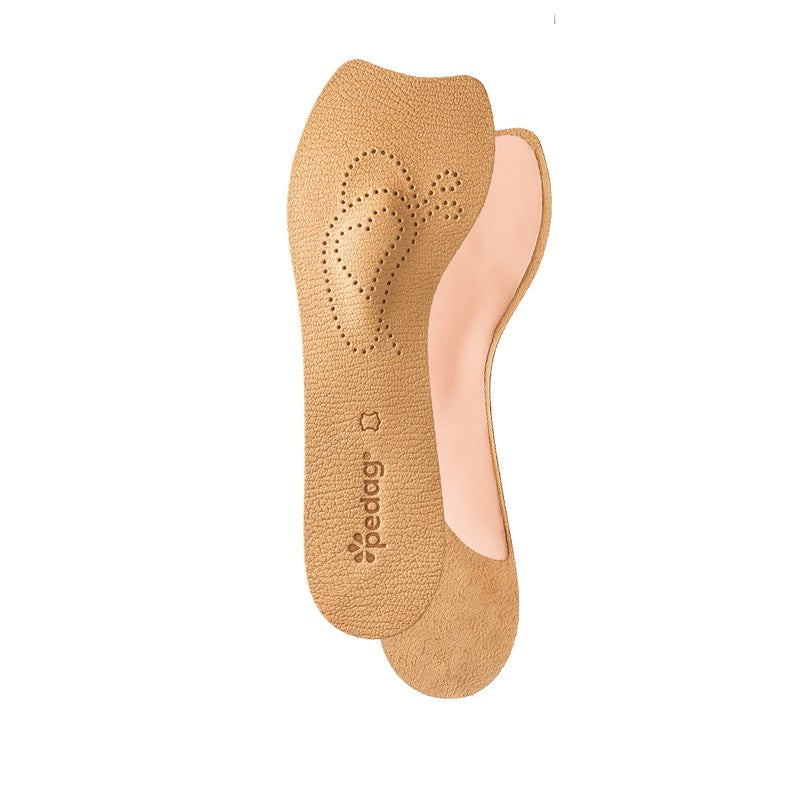
Aflastende indlægssåler kan hjælpe med at løfte den forreste bue af foden og reducere trykket på mellemfodsbenene. Sko med en rummelig tåboks og god stødabsorbering kan også reducere belastningen på forfoden.
Træning af de små muskler i foden kan bidrage til forbedret stabilitet og funktion i foden over tid.
Se alle produkter, der kan hjælpe med et nedsunket forfodsbue
Relaterede skader
For mere information om fodproblemer kan du finde flere artikler i Skadeguide Fod & Hæl. Du kan også gå til Skadeguidens hovedside for at læse om andre skader og symptomer.