
Bestseller
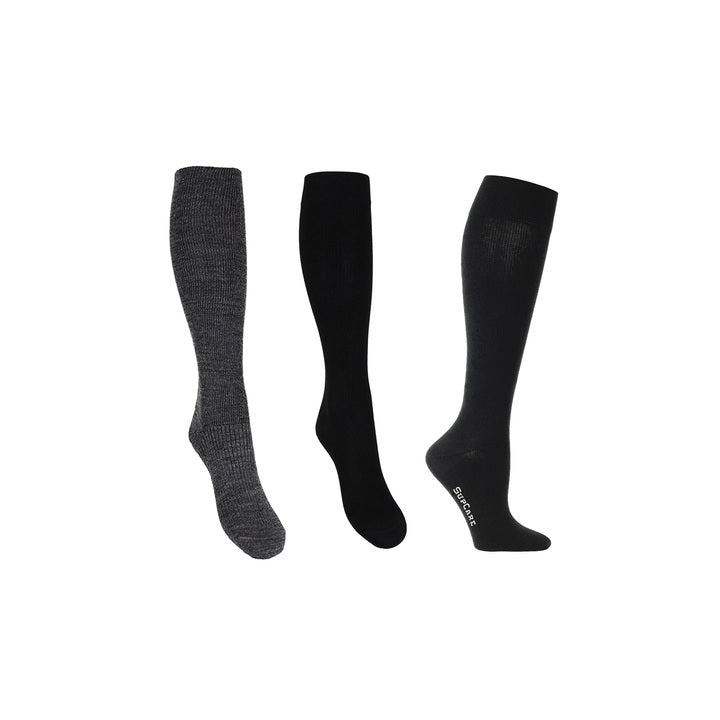
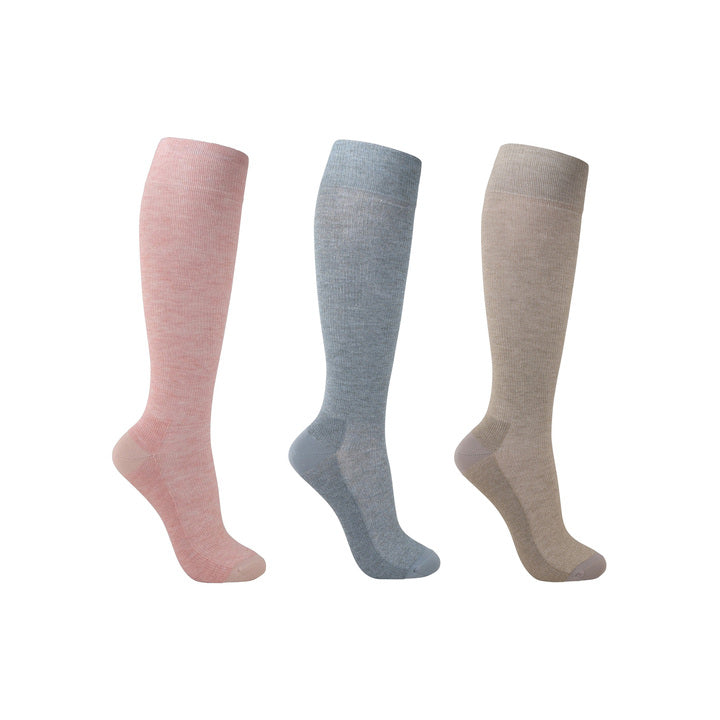
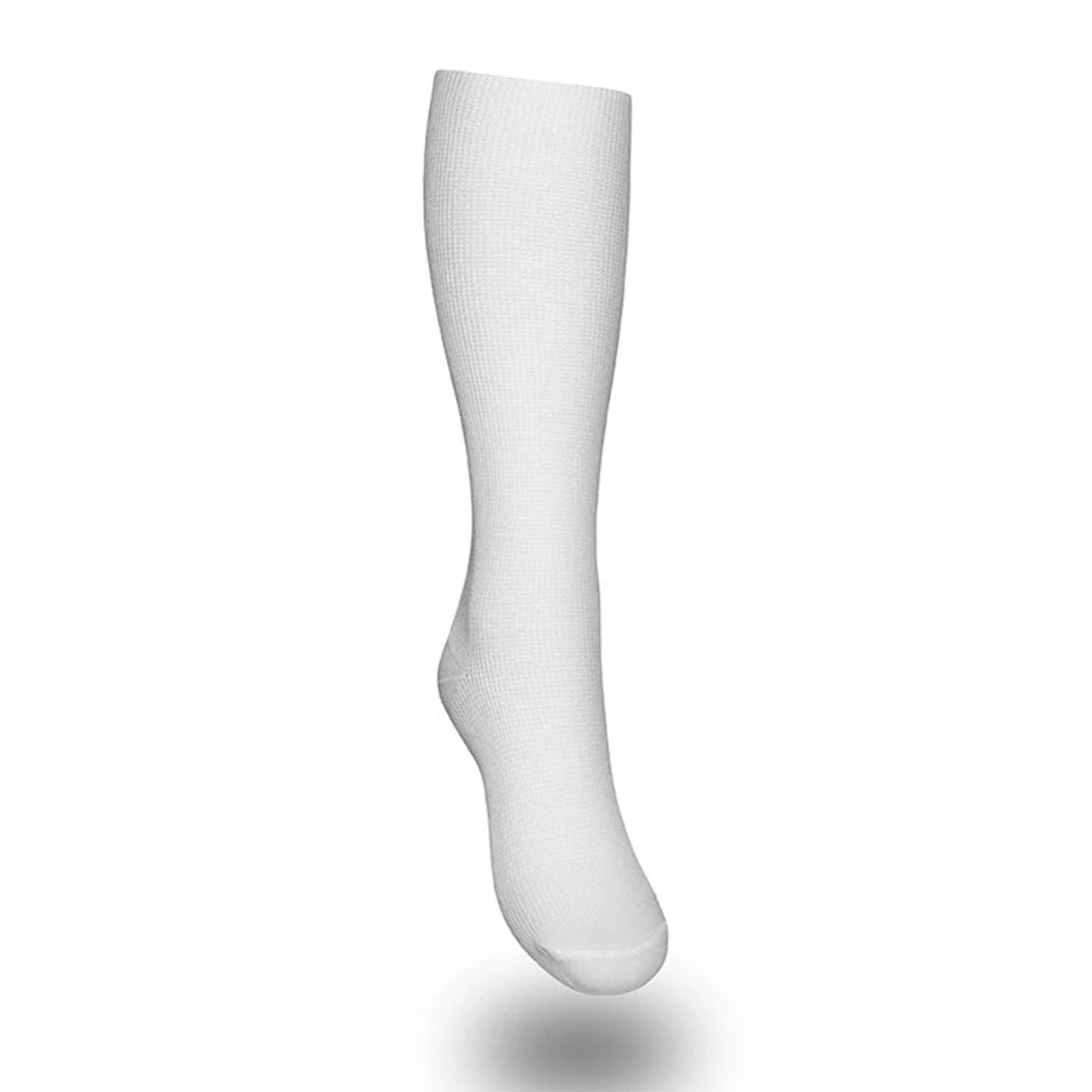
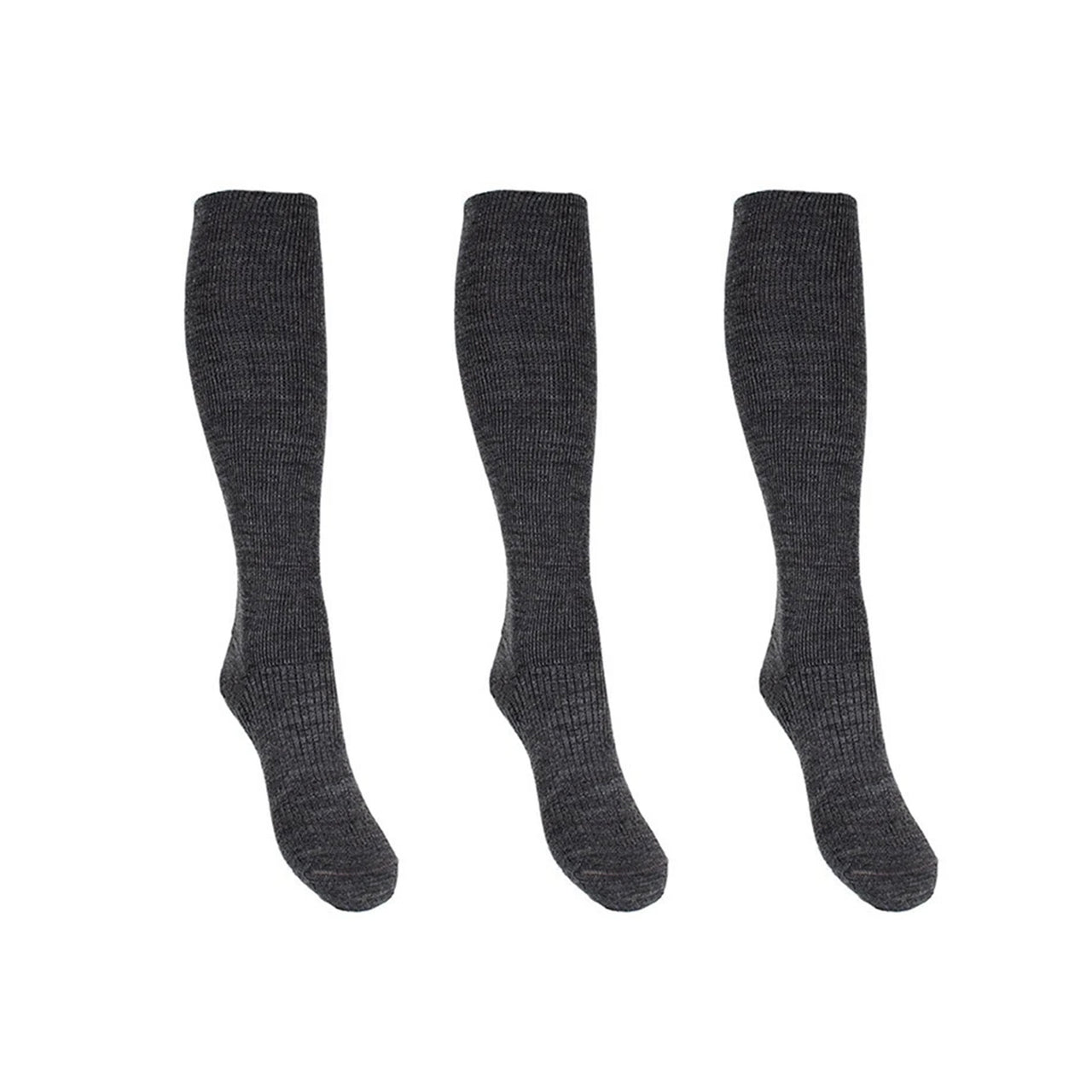
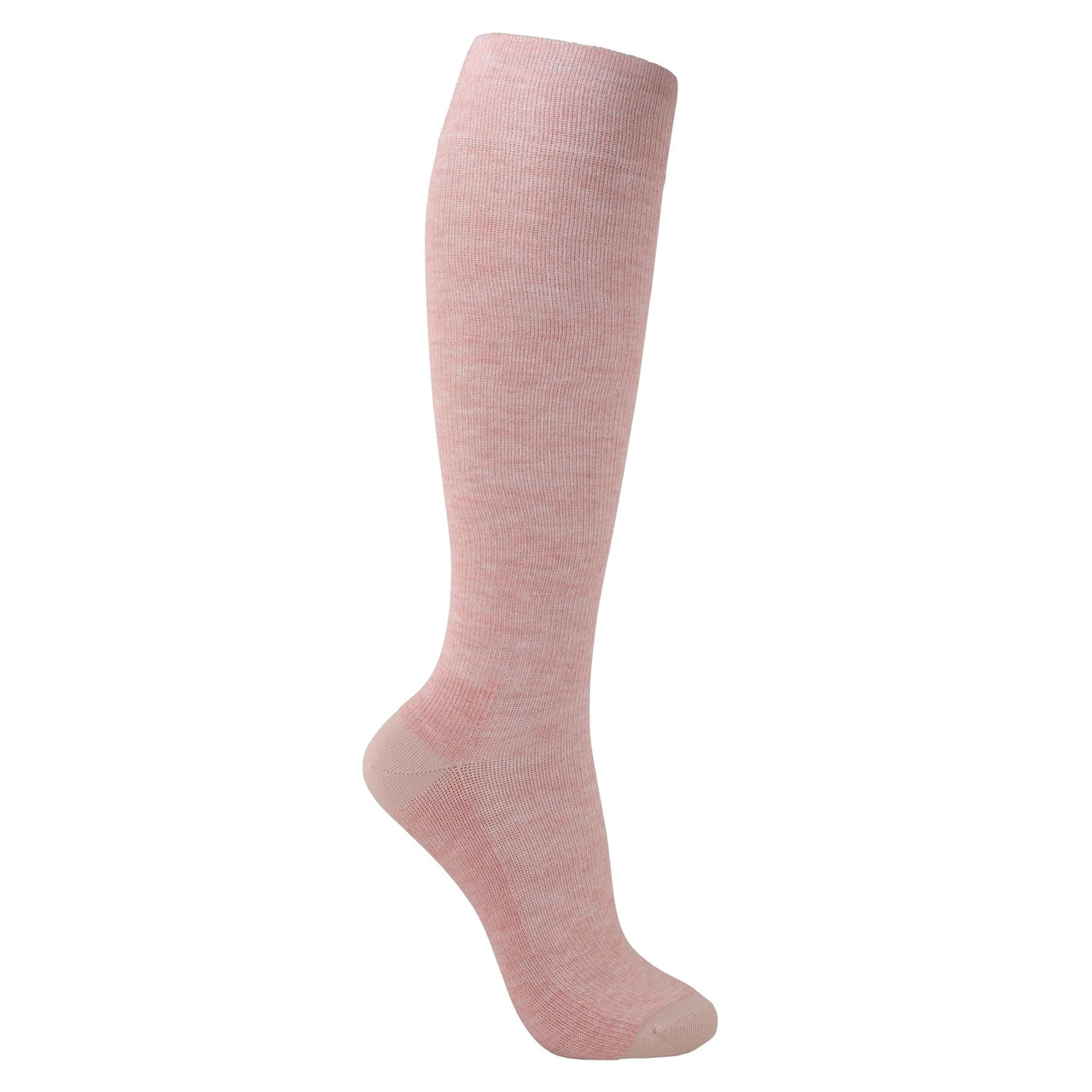


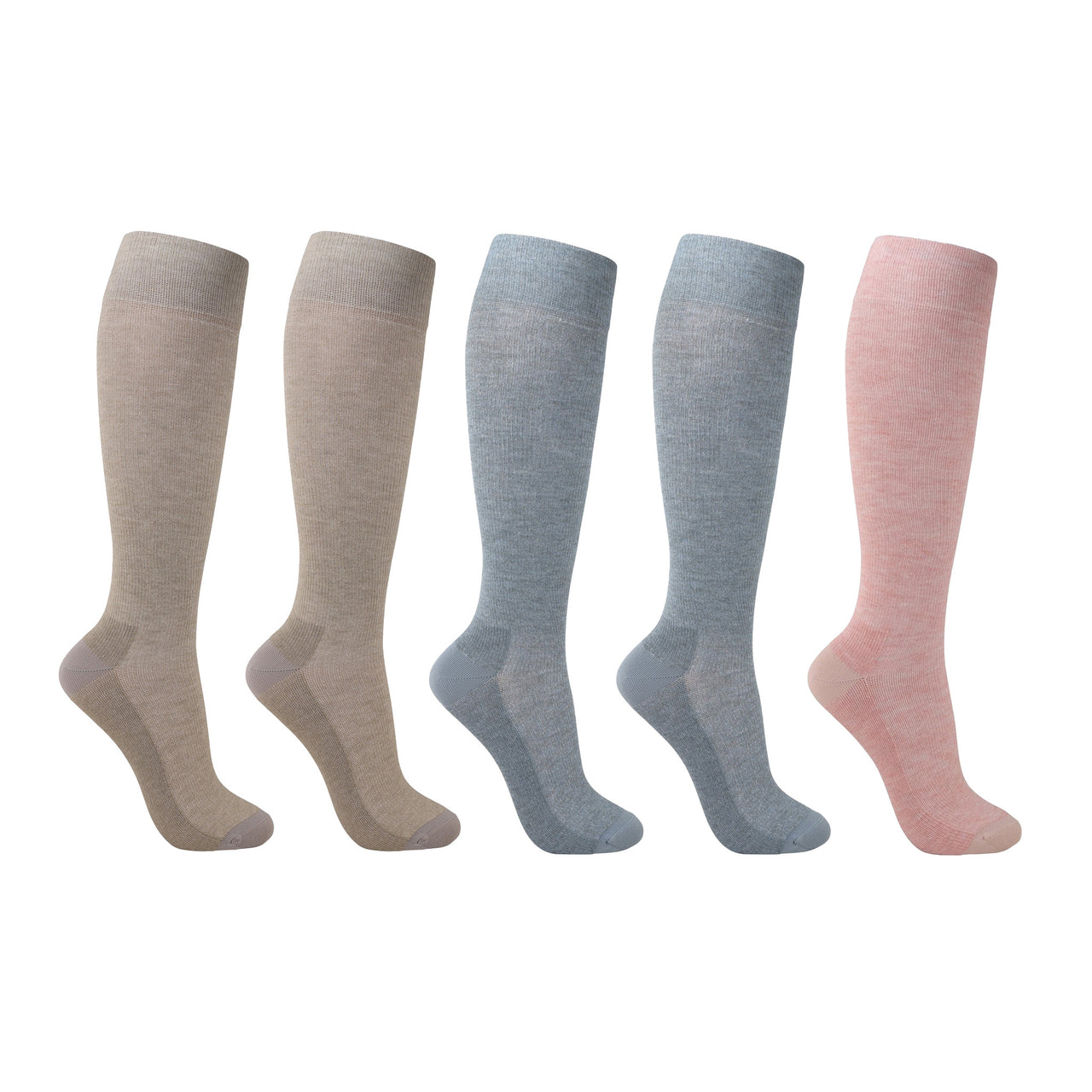

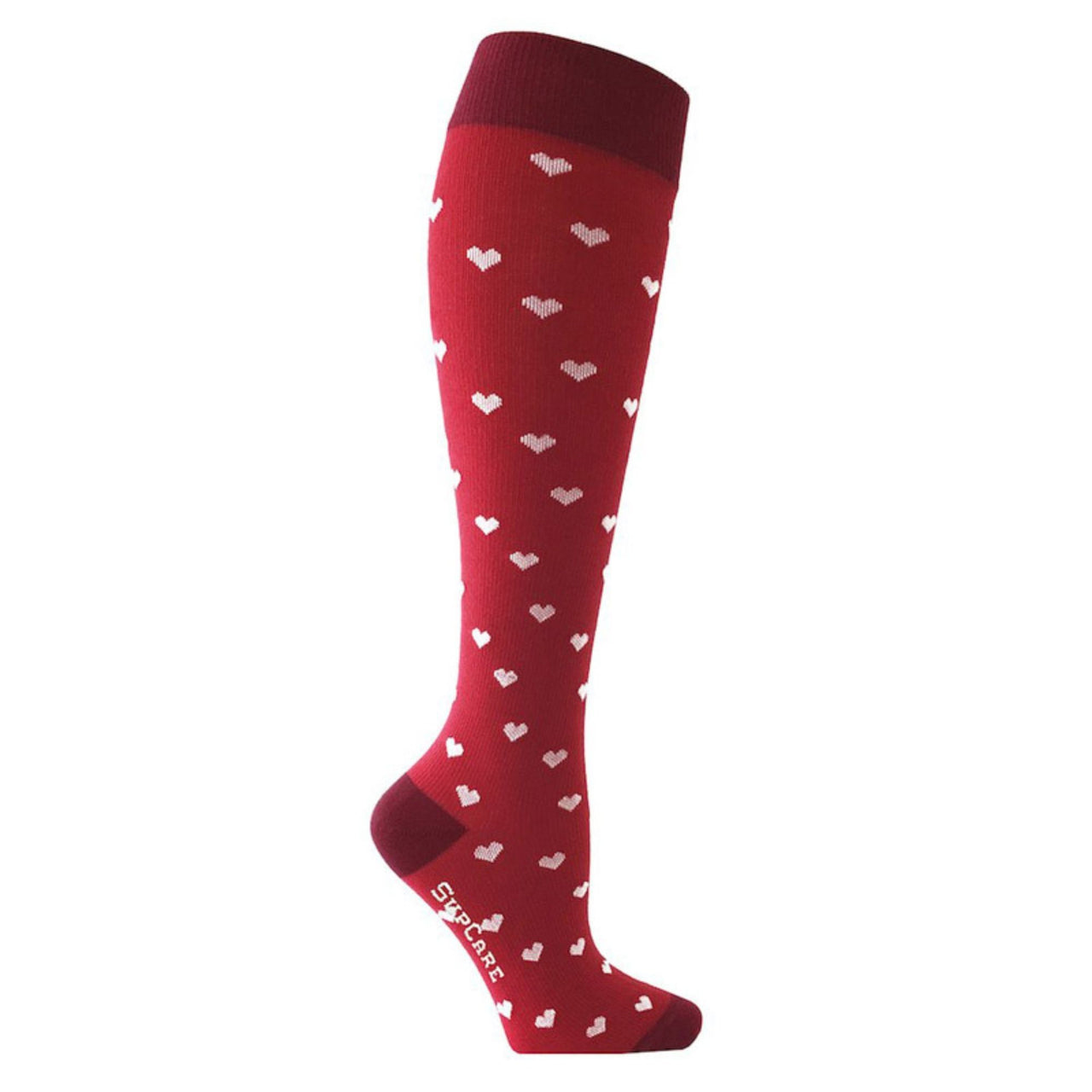
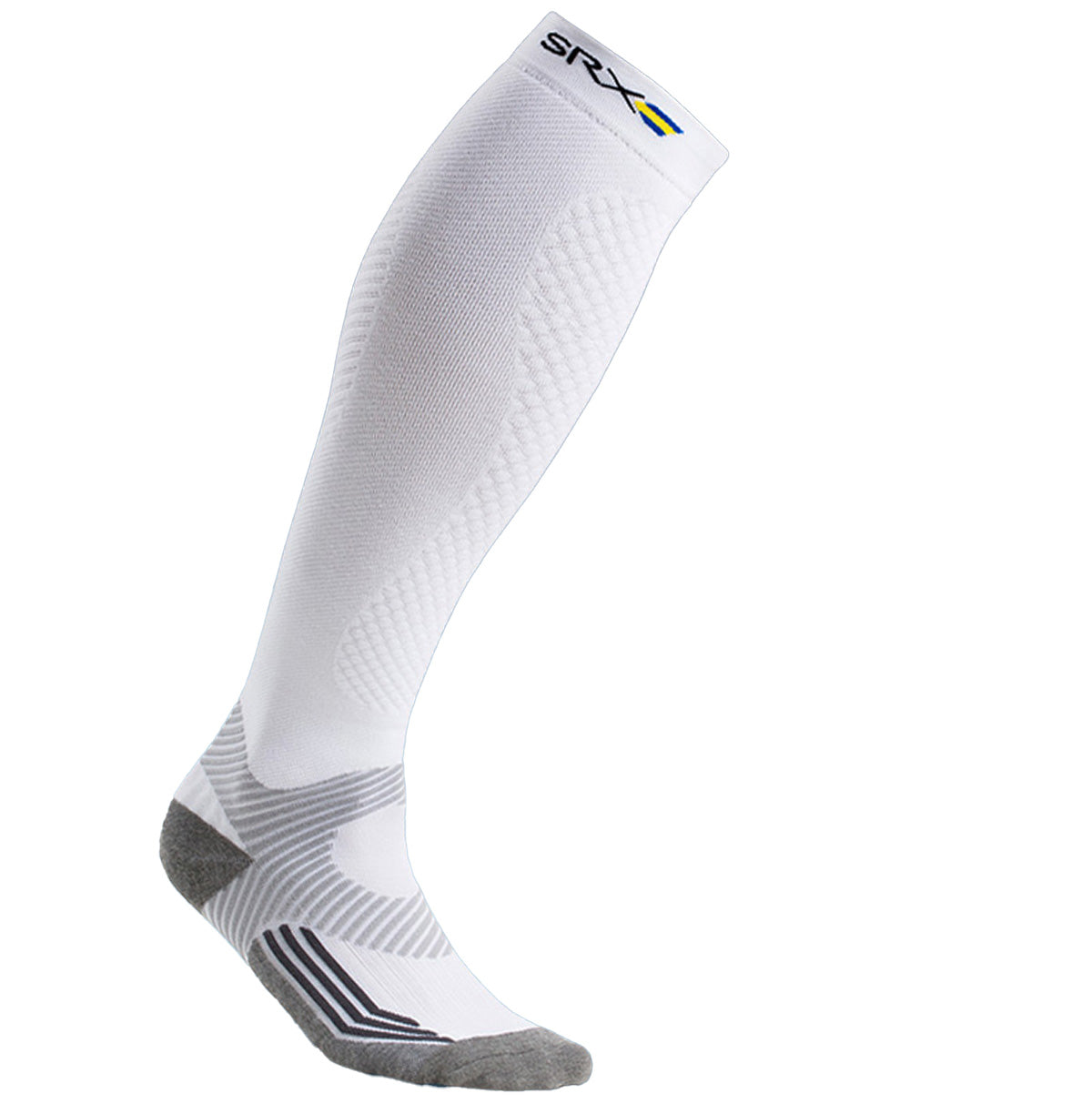



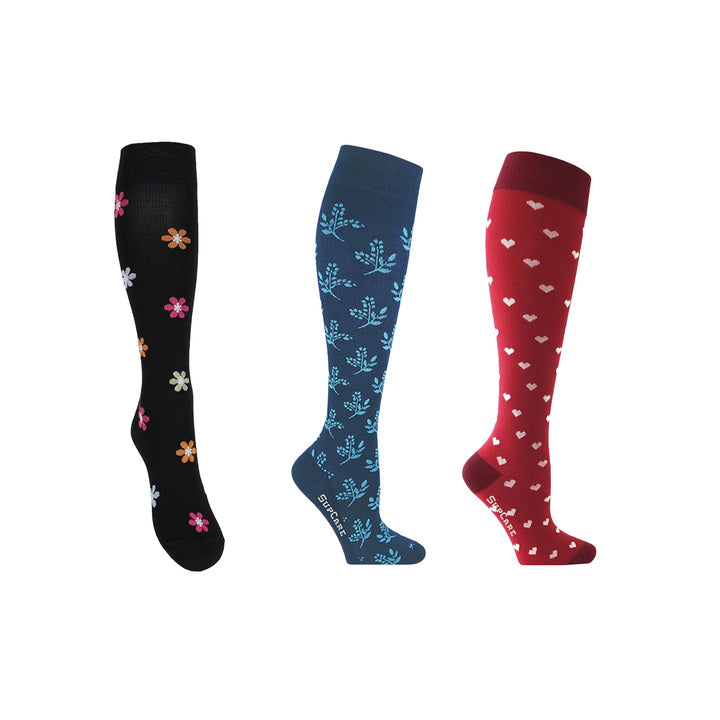
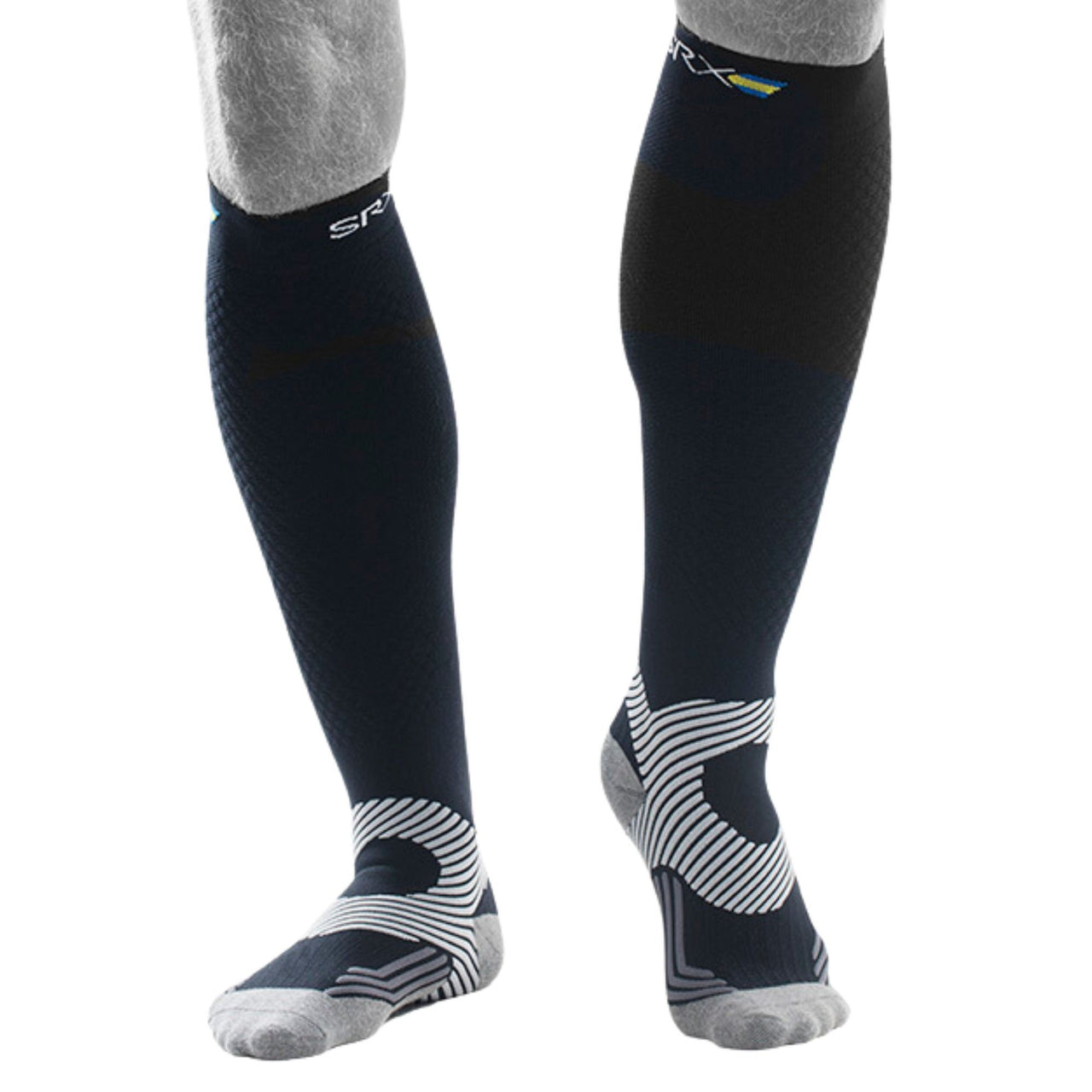
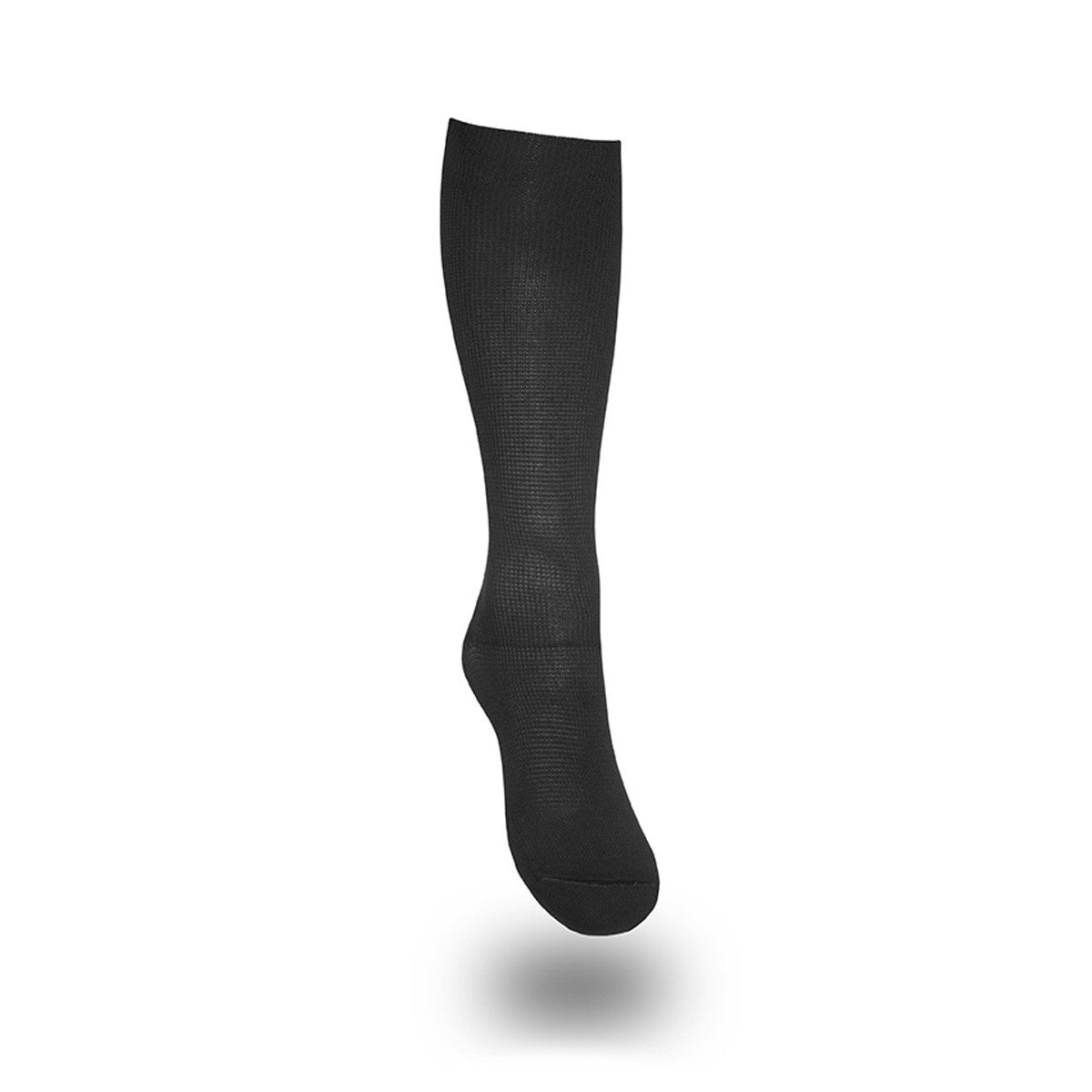
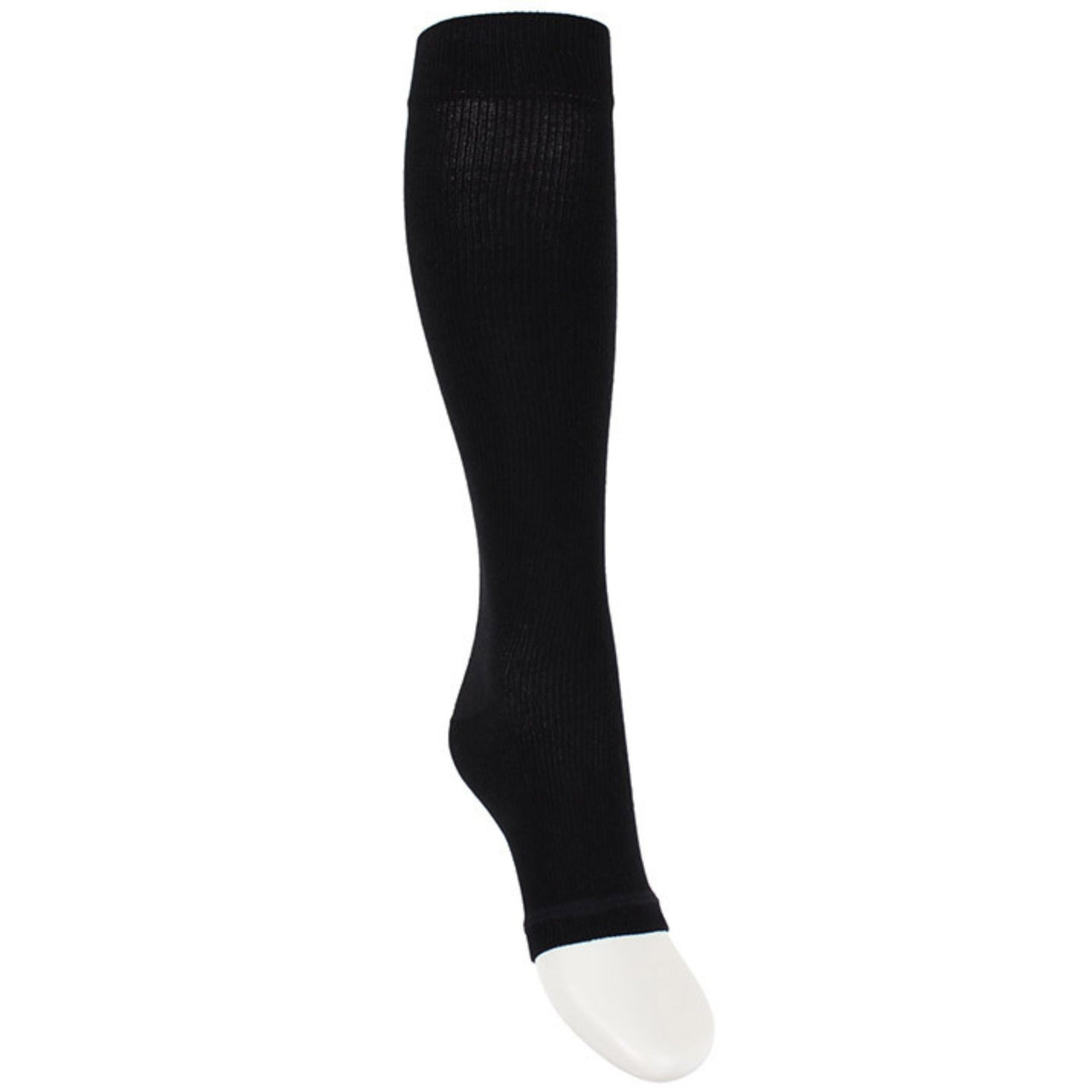
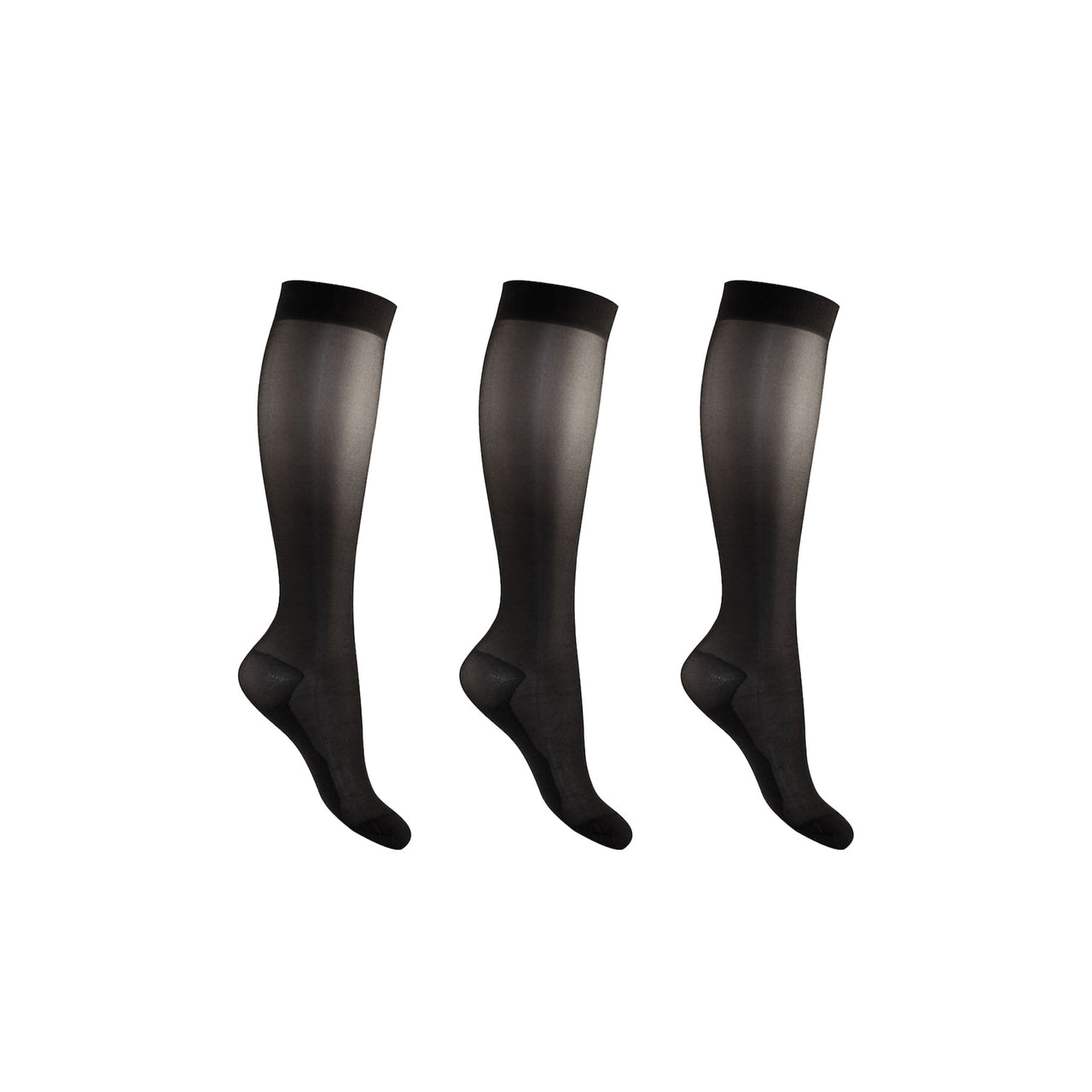
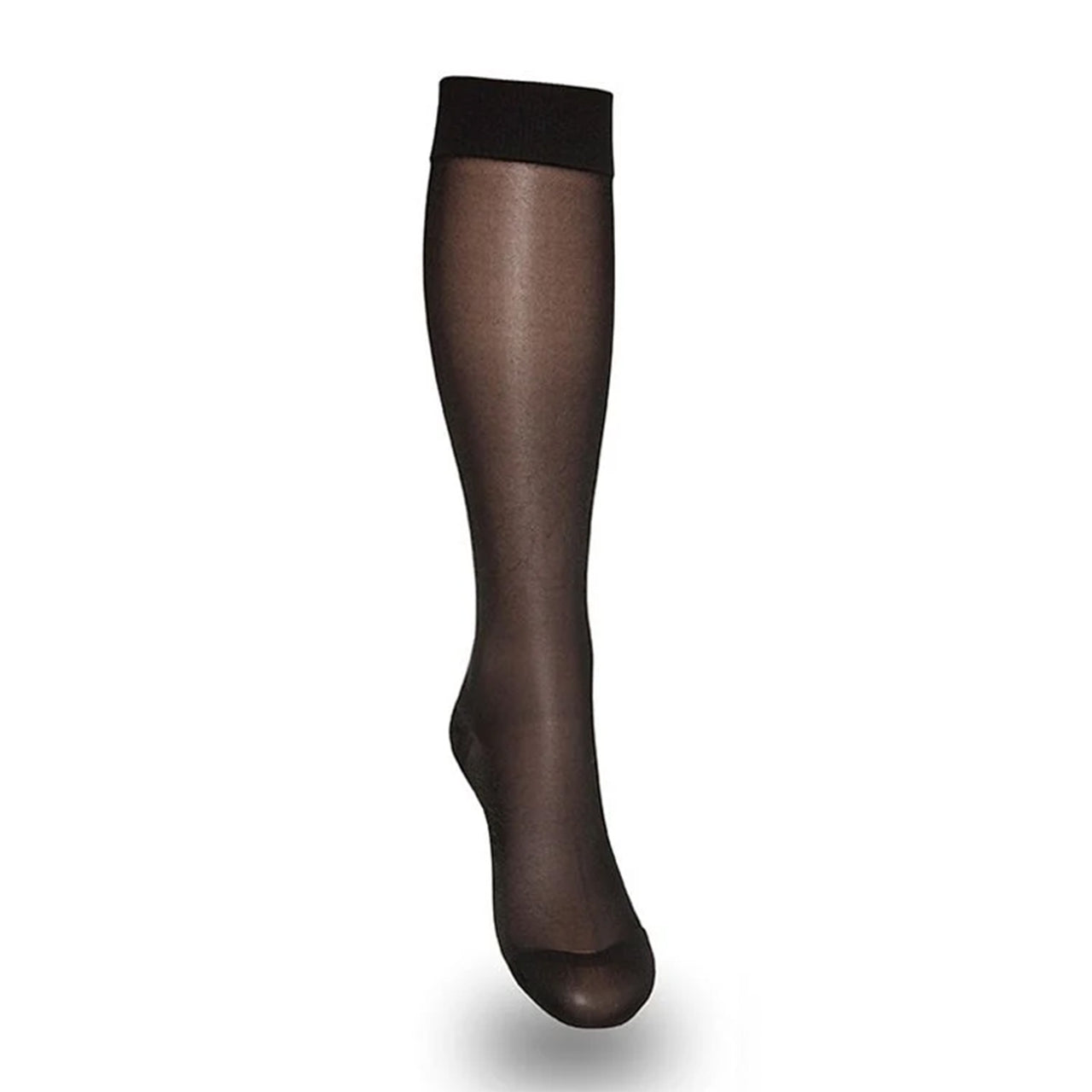

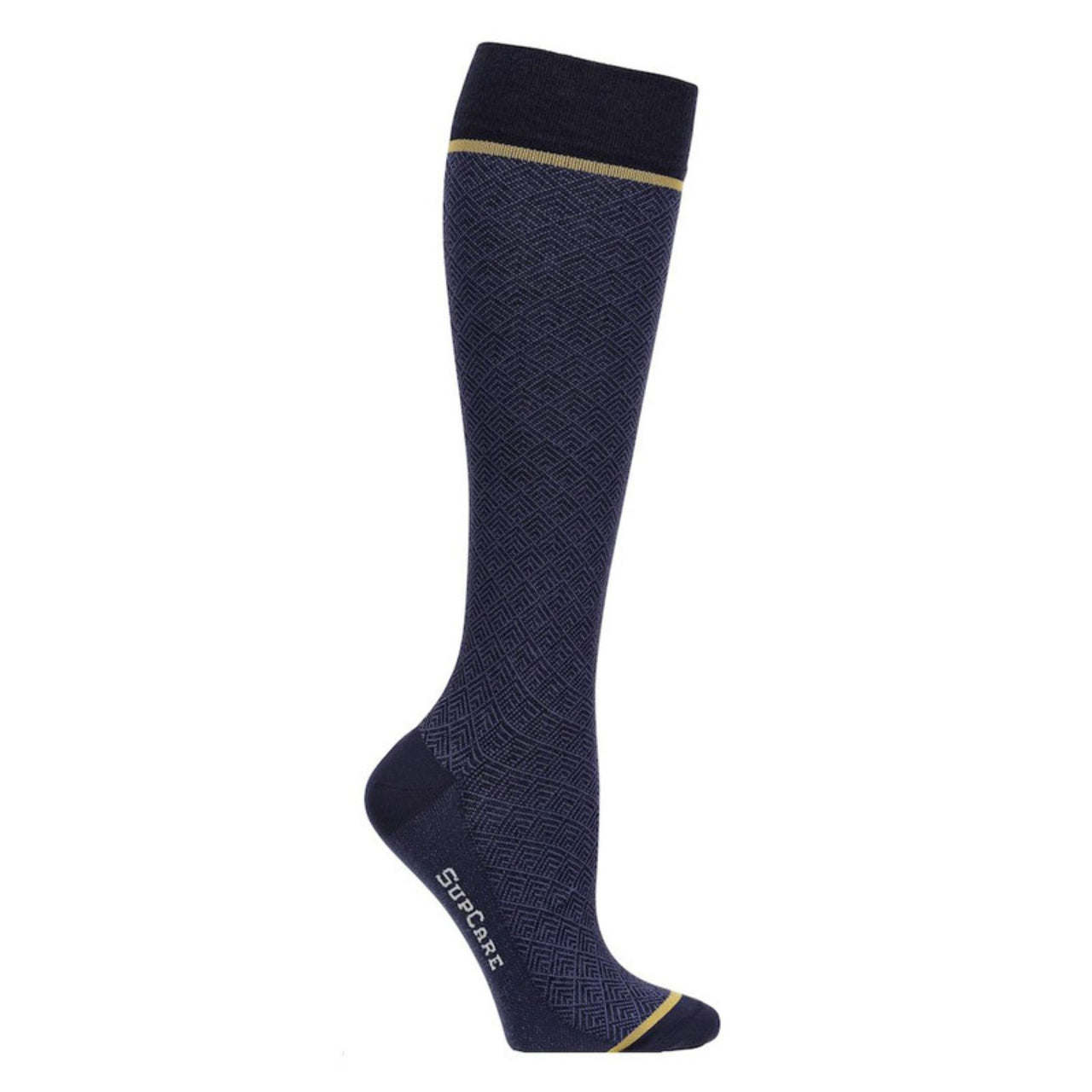
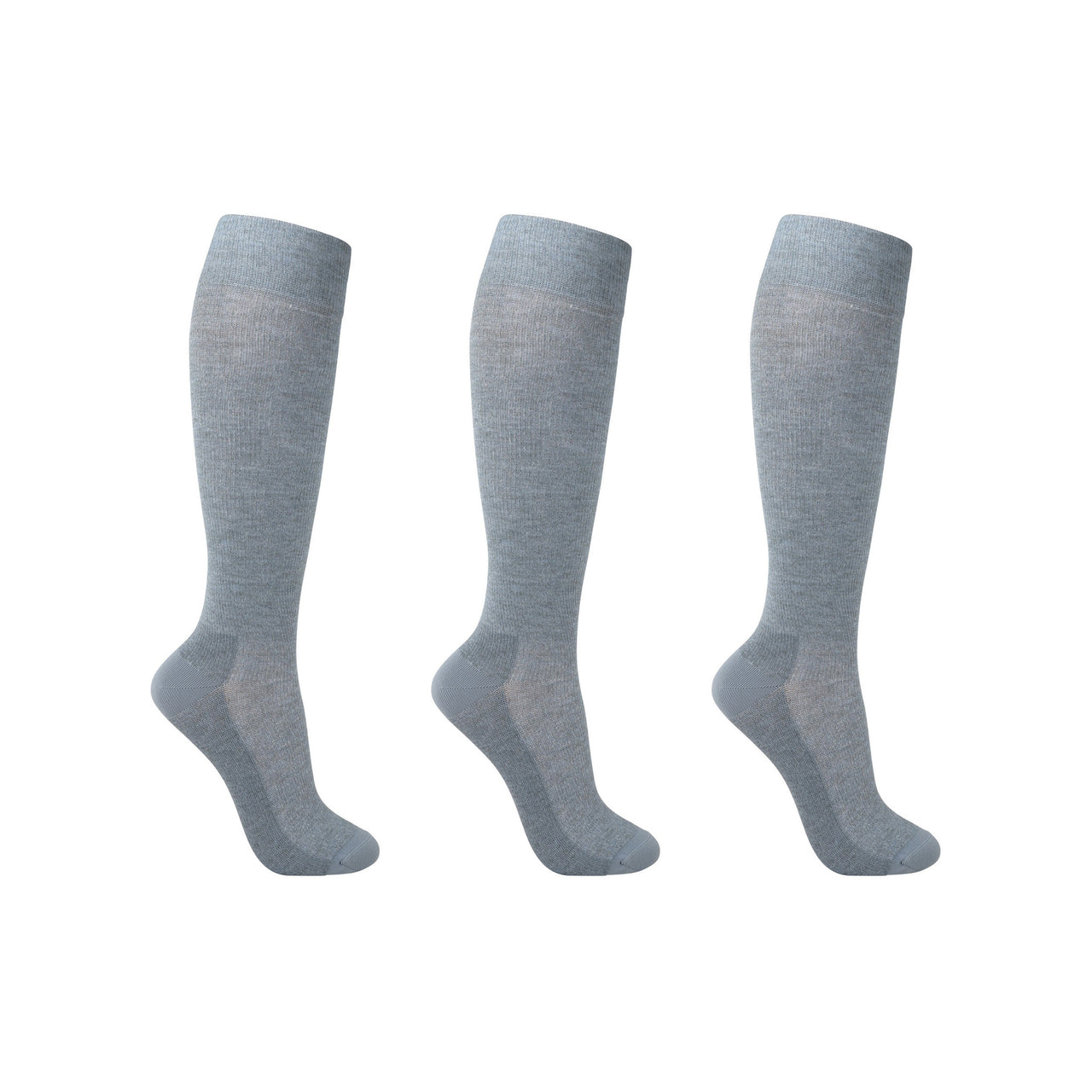
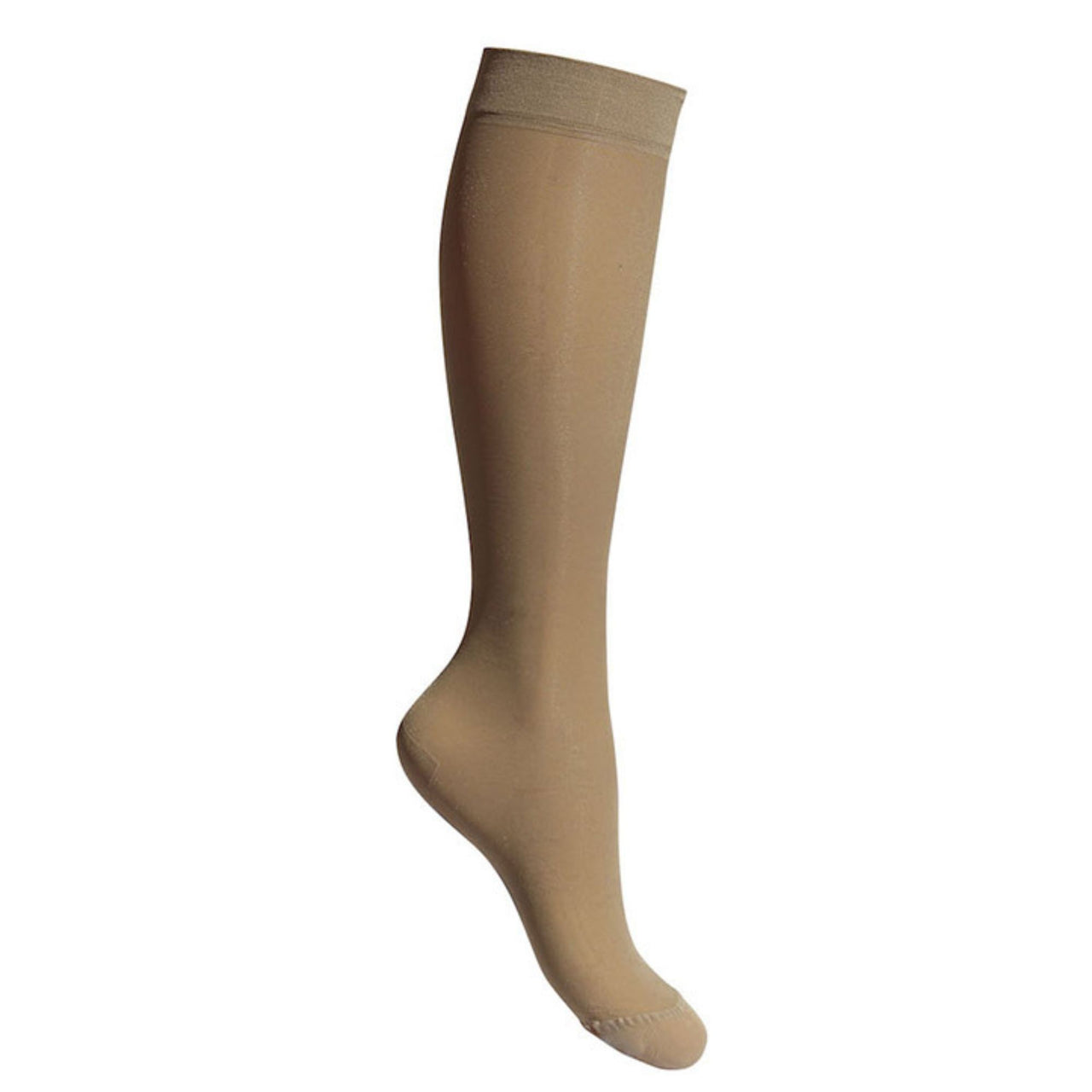
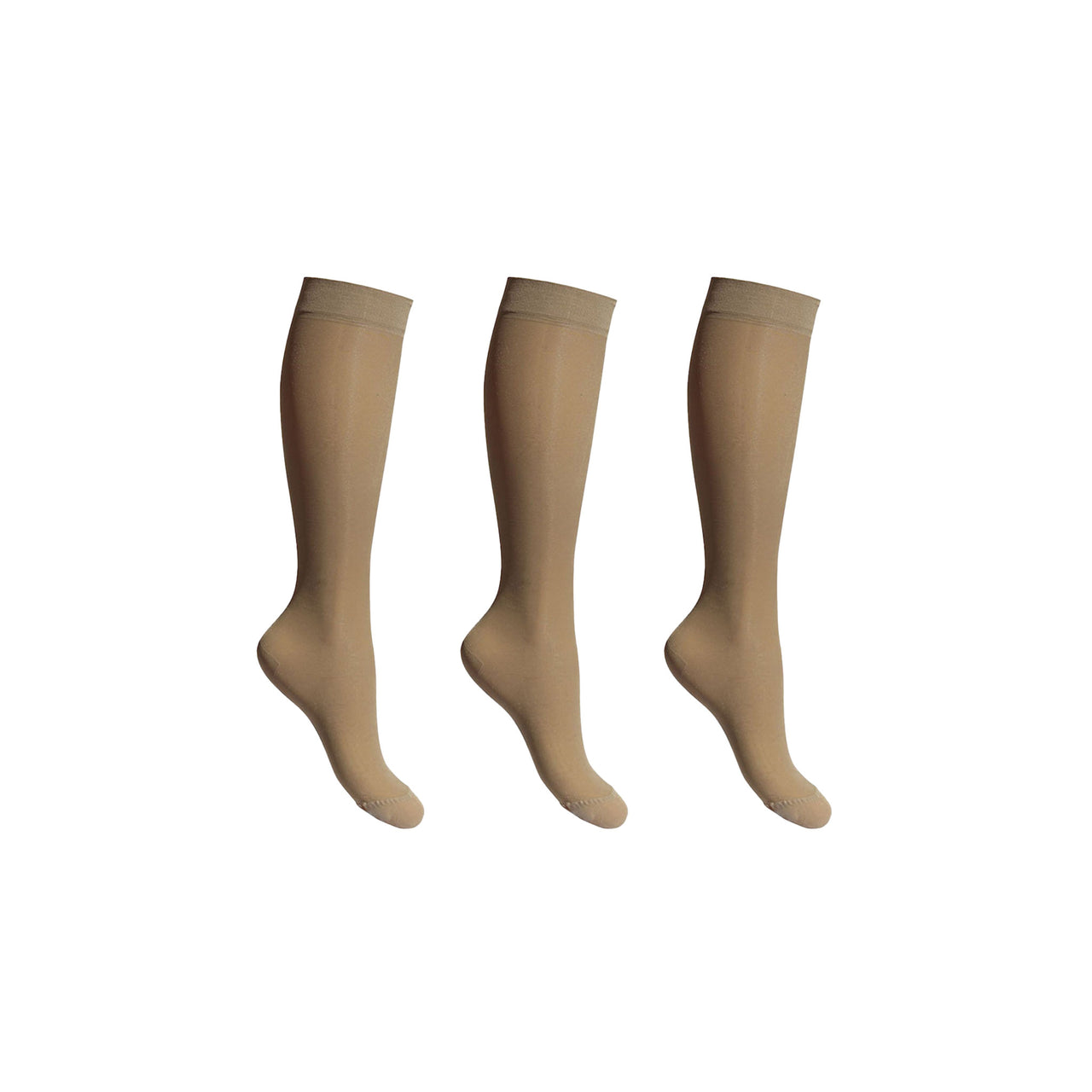

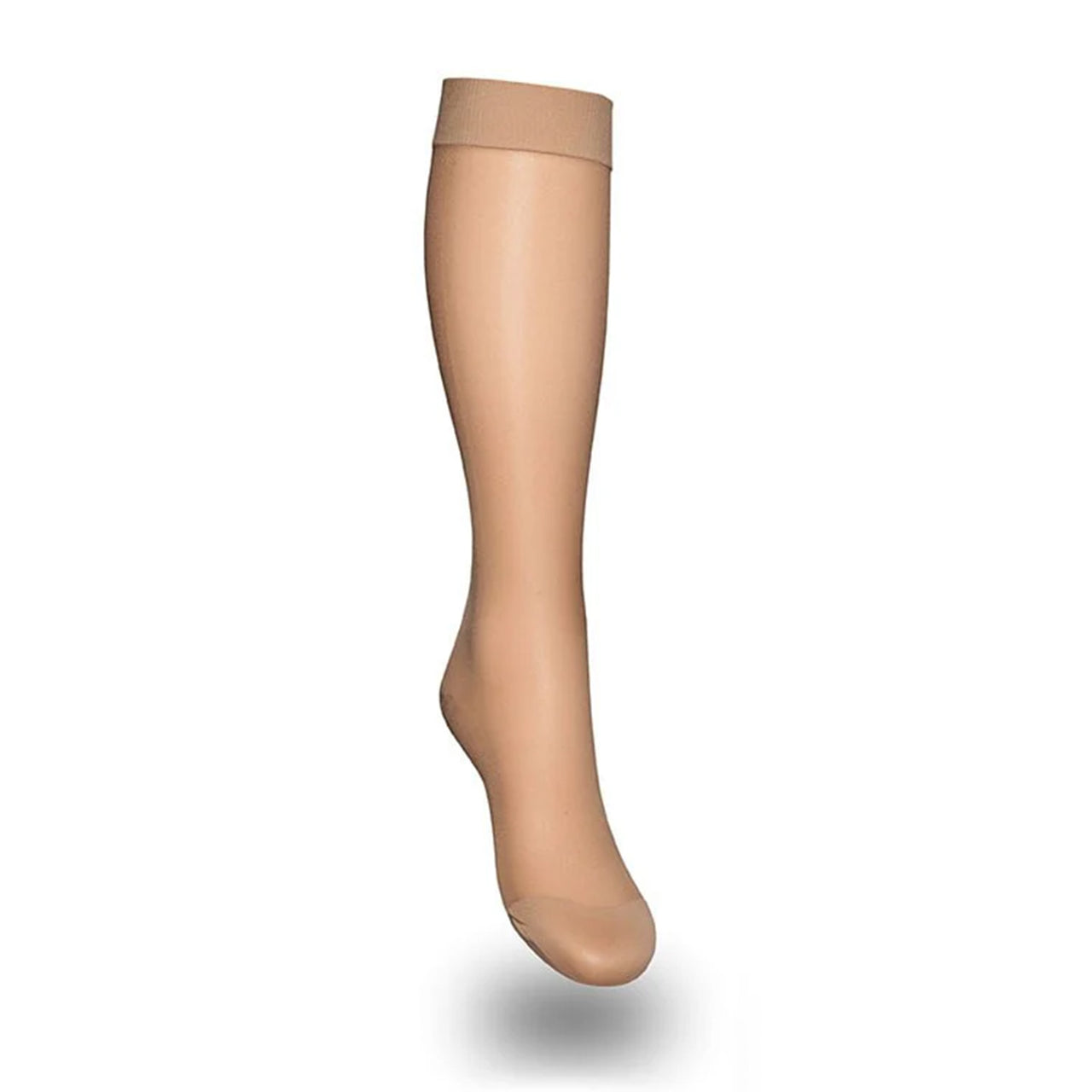
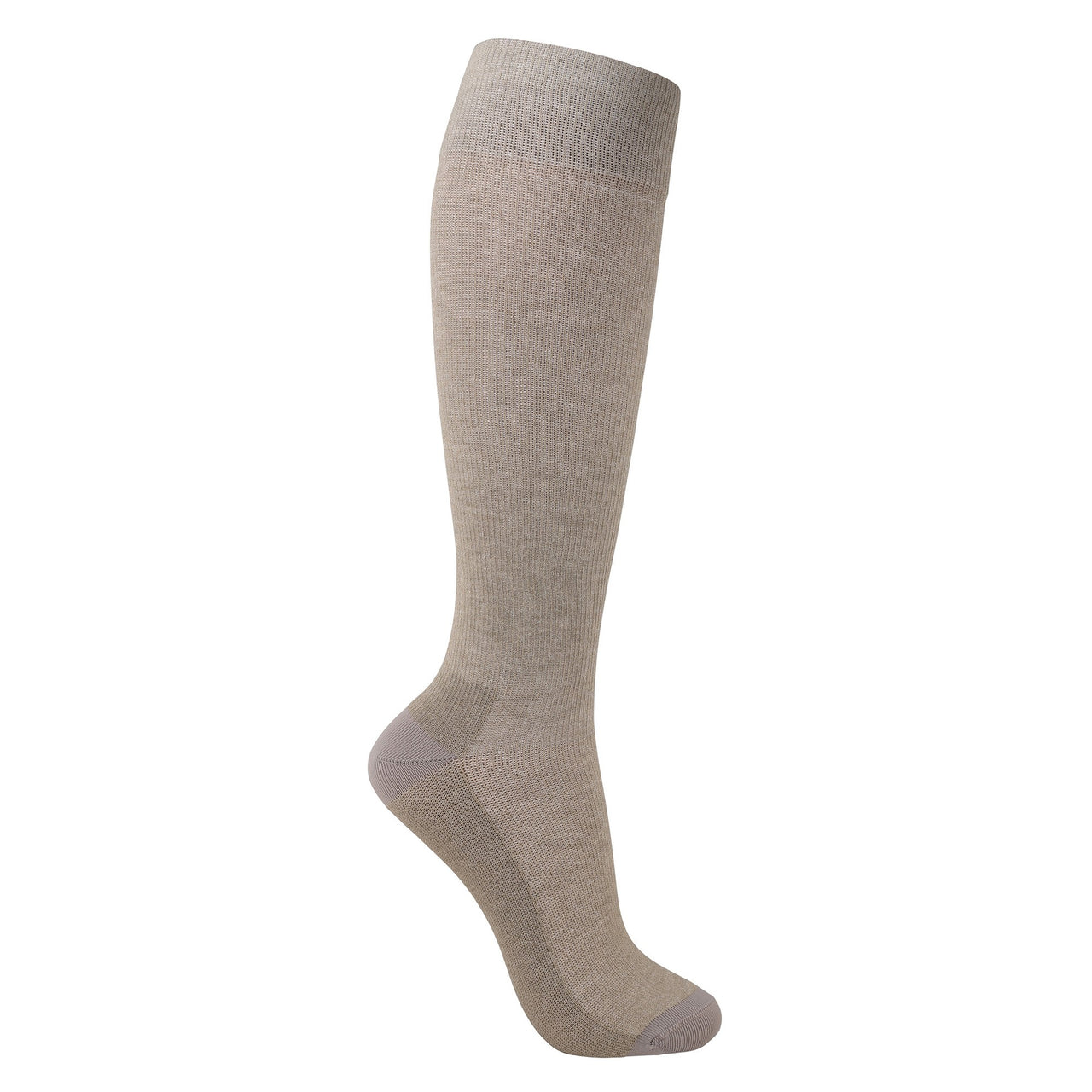
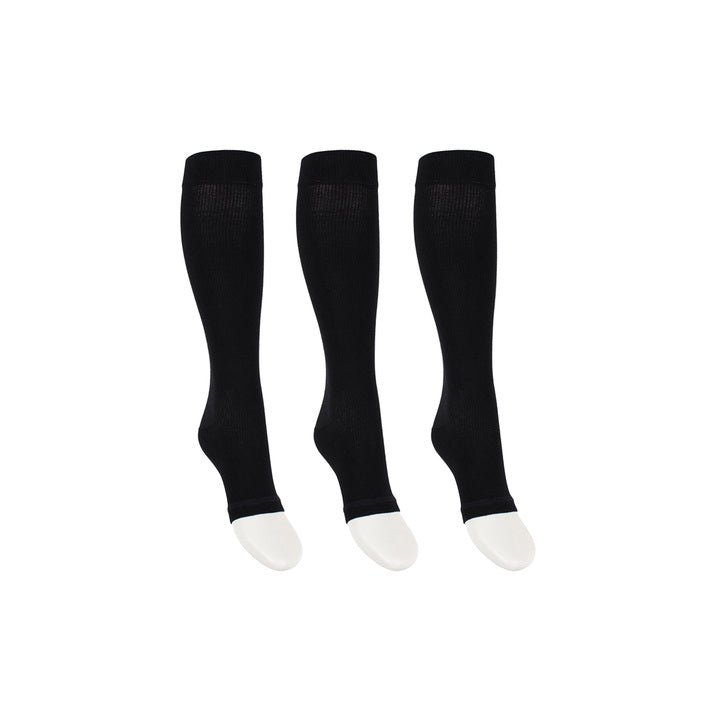
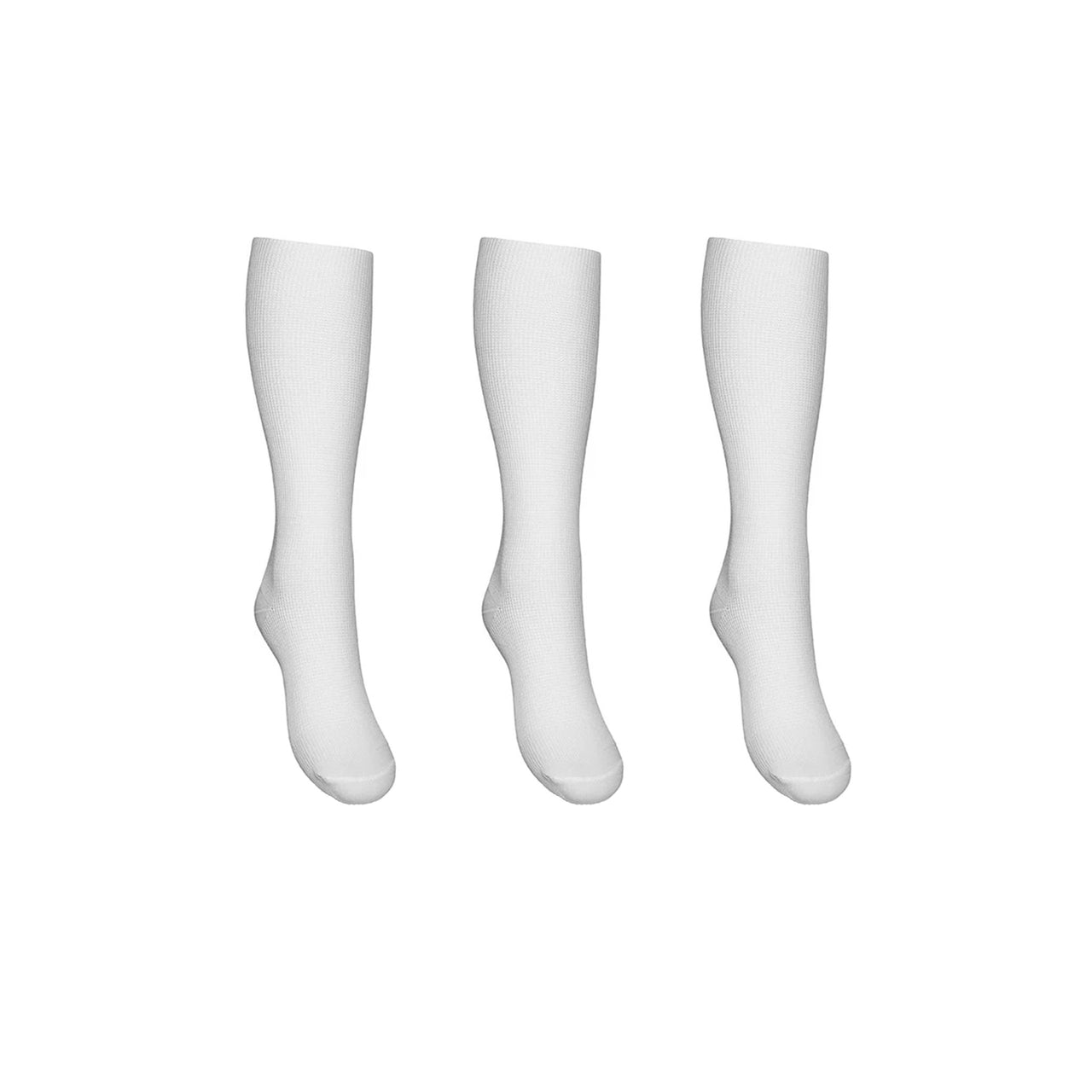
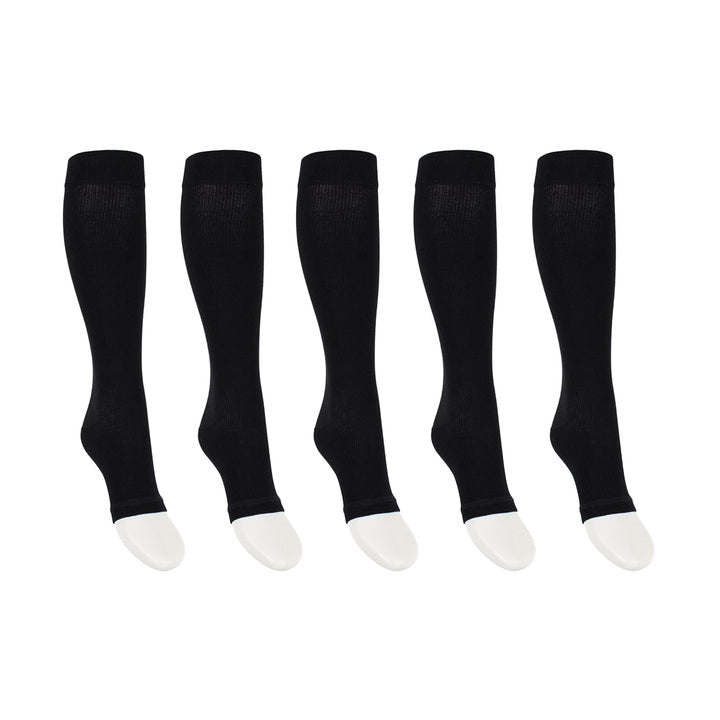
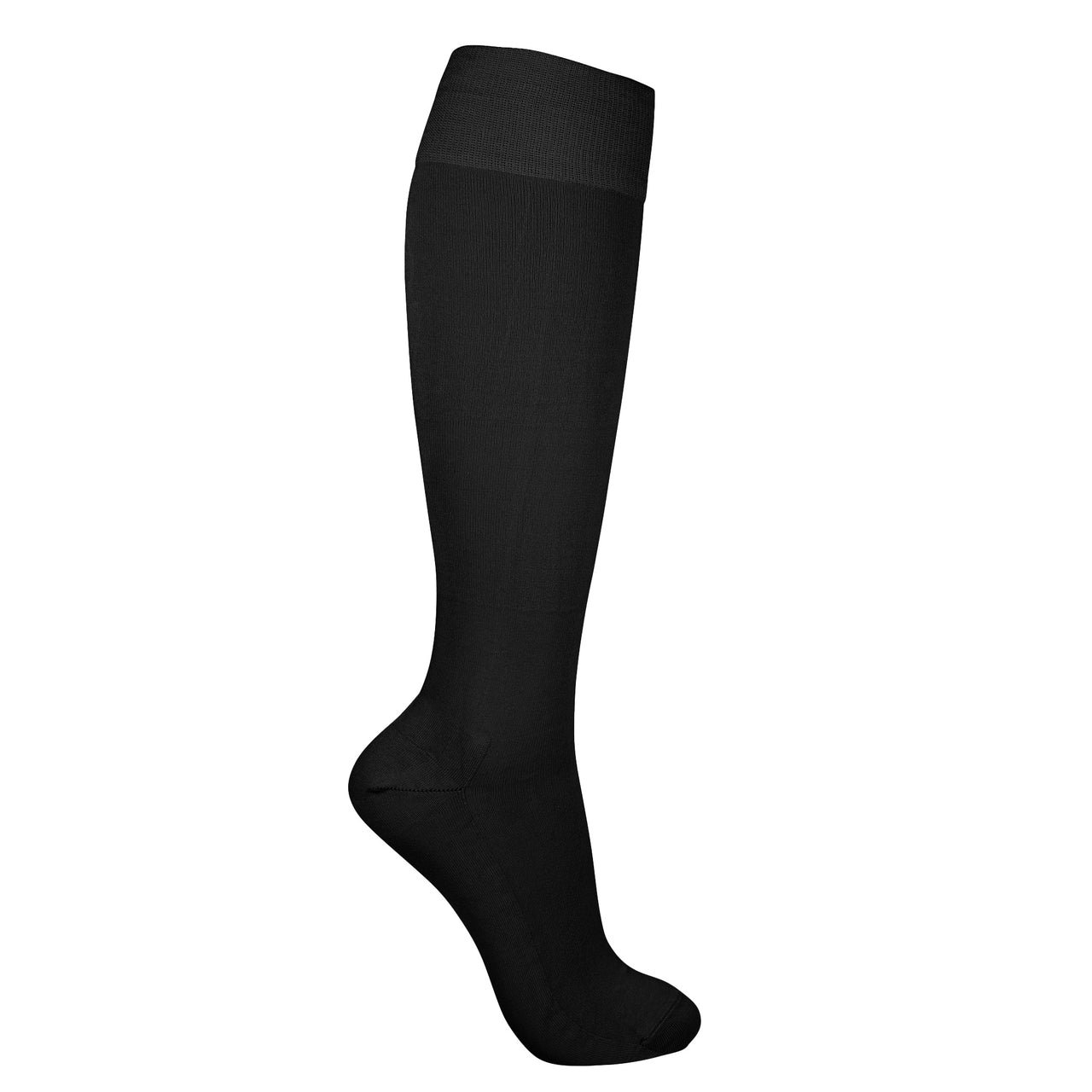


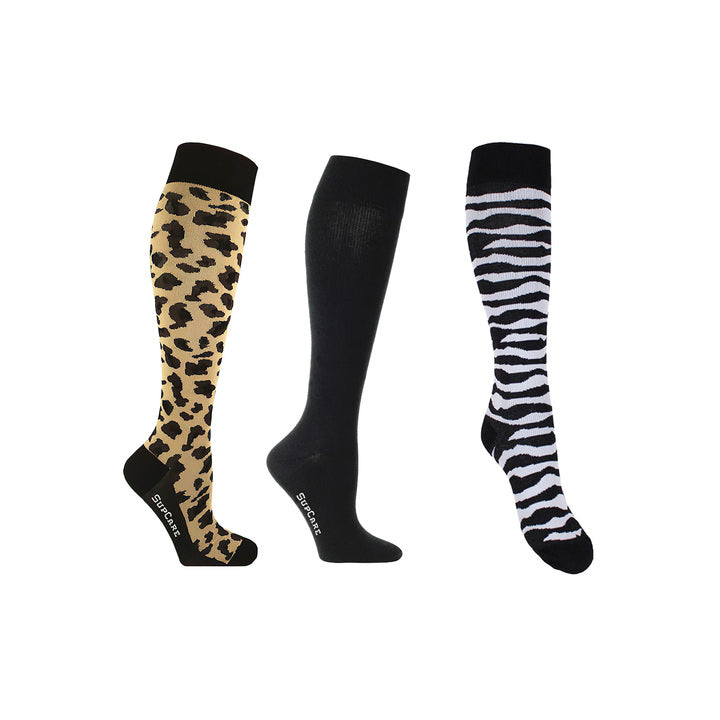
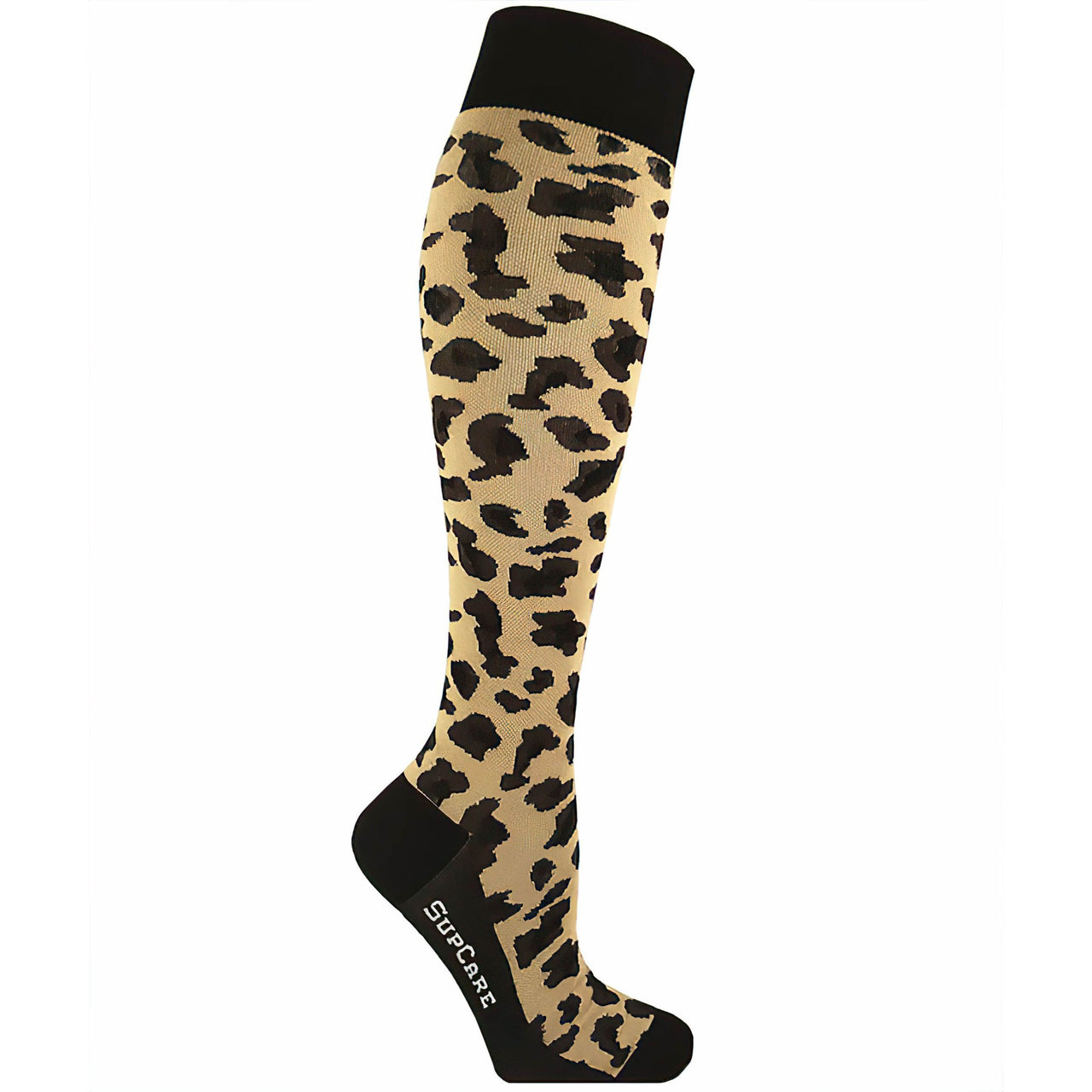
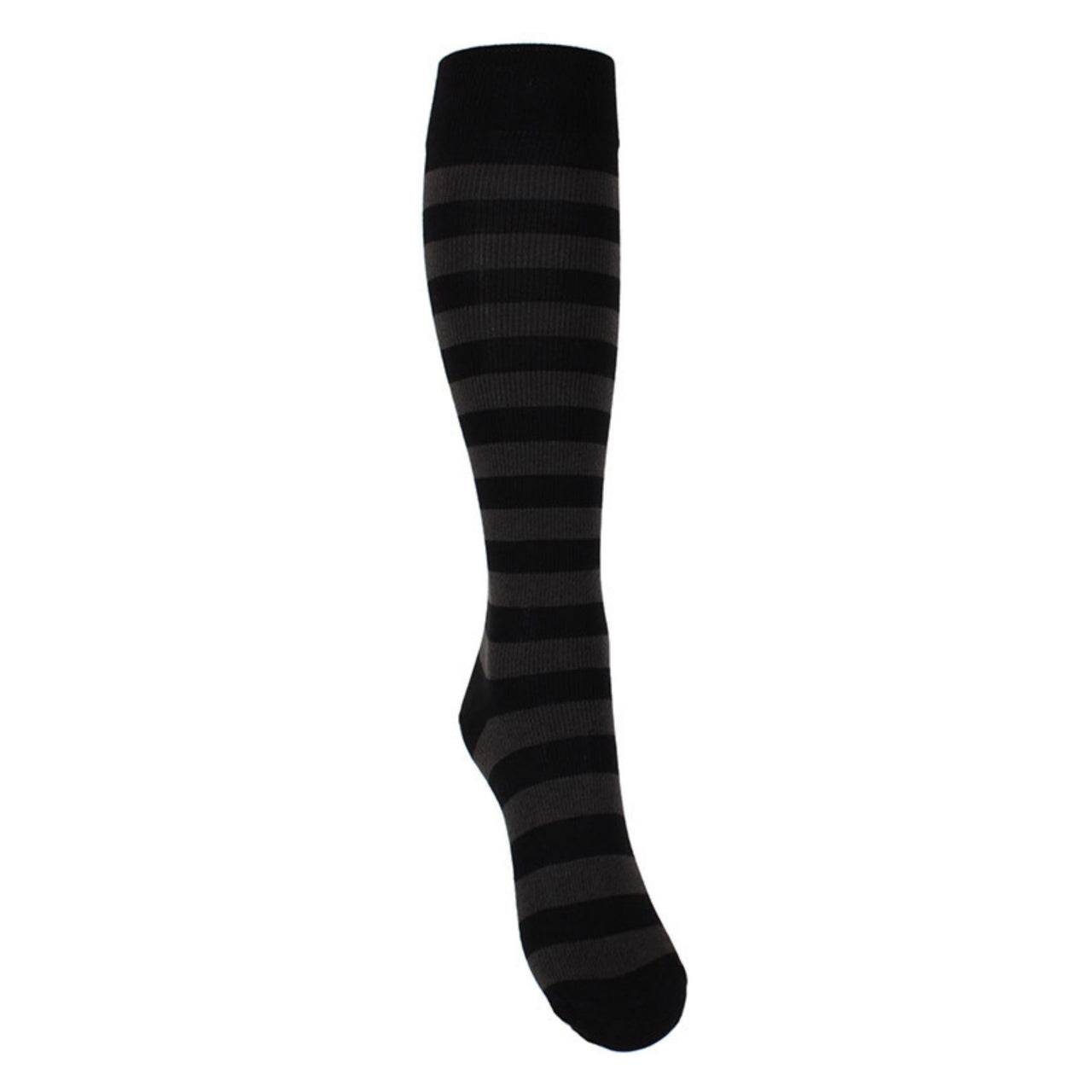
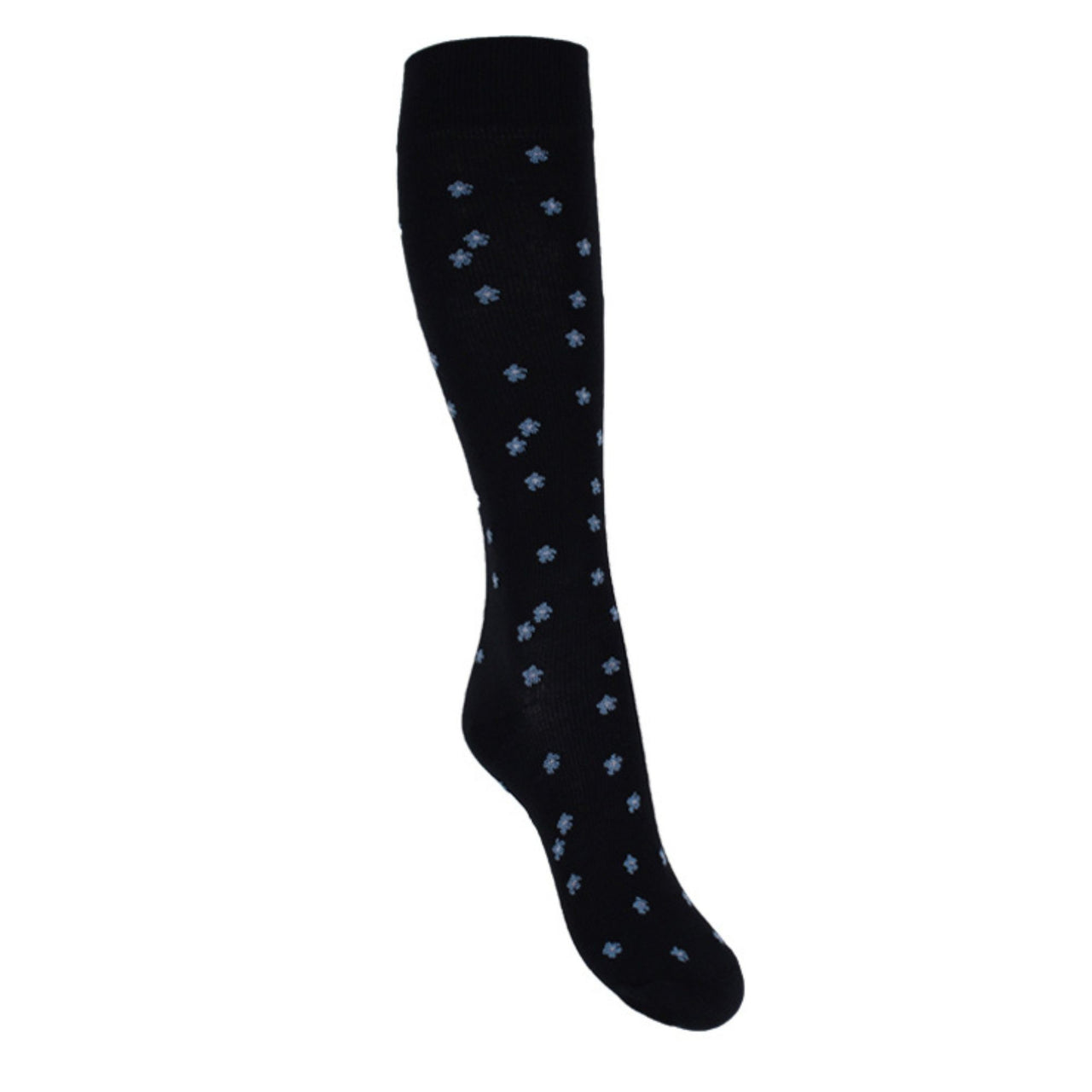
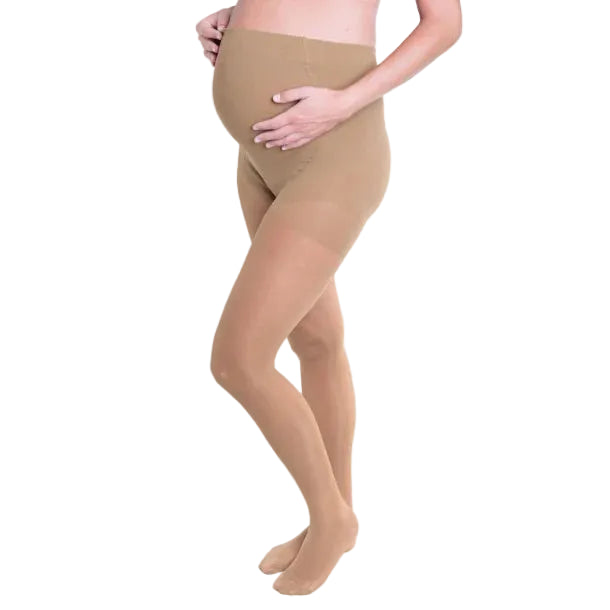
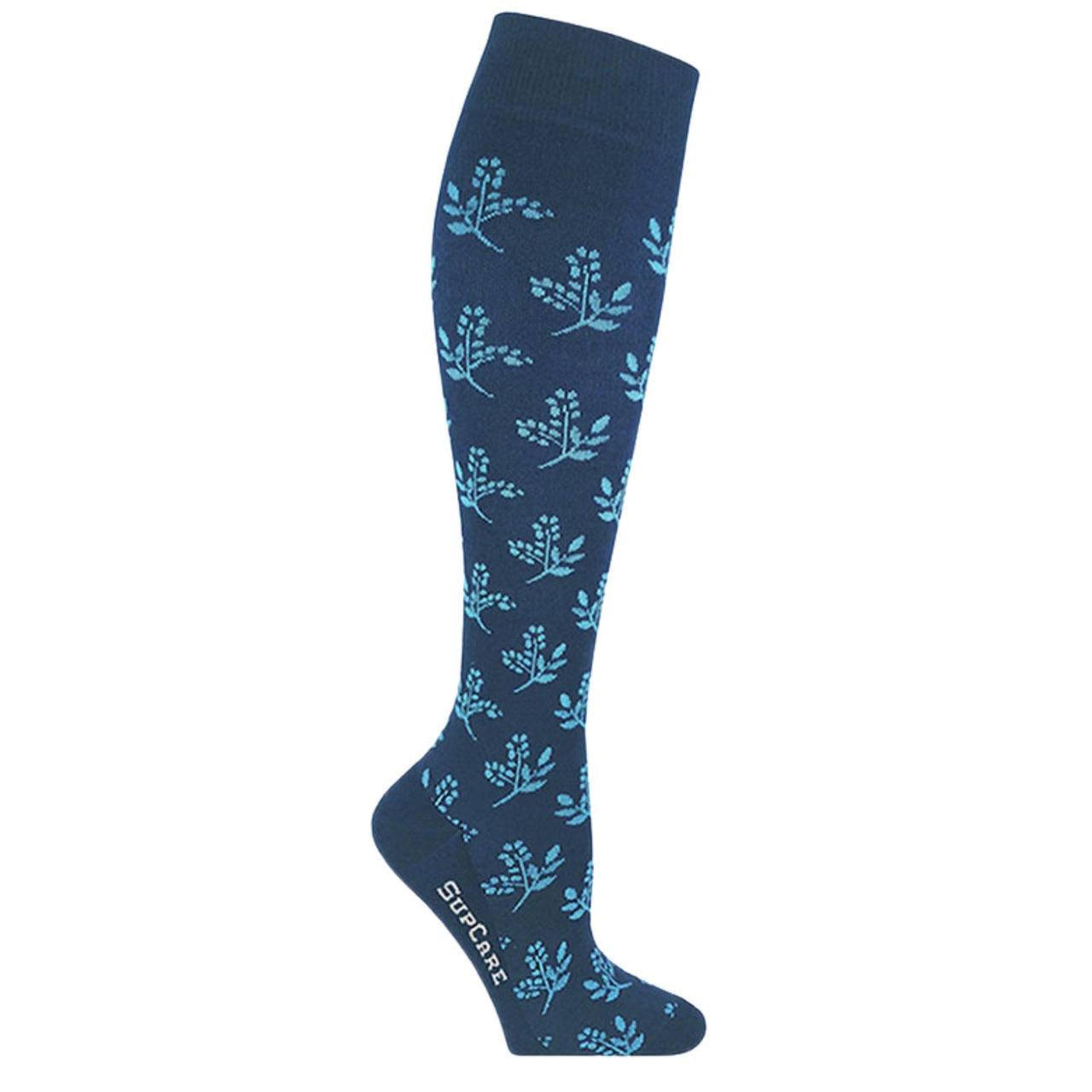
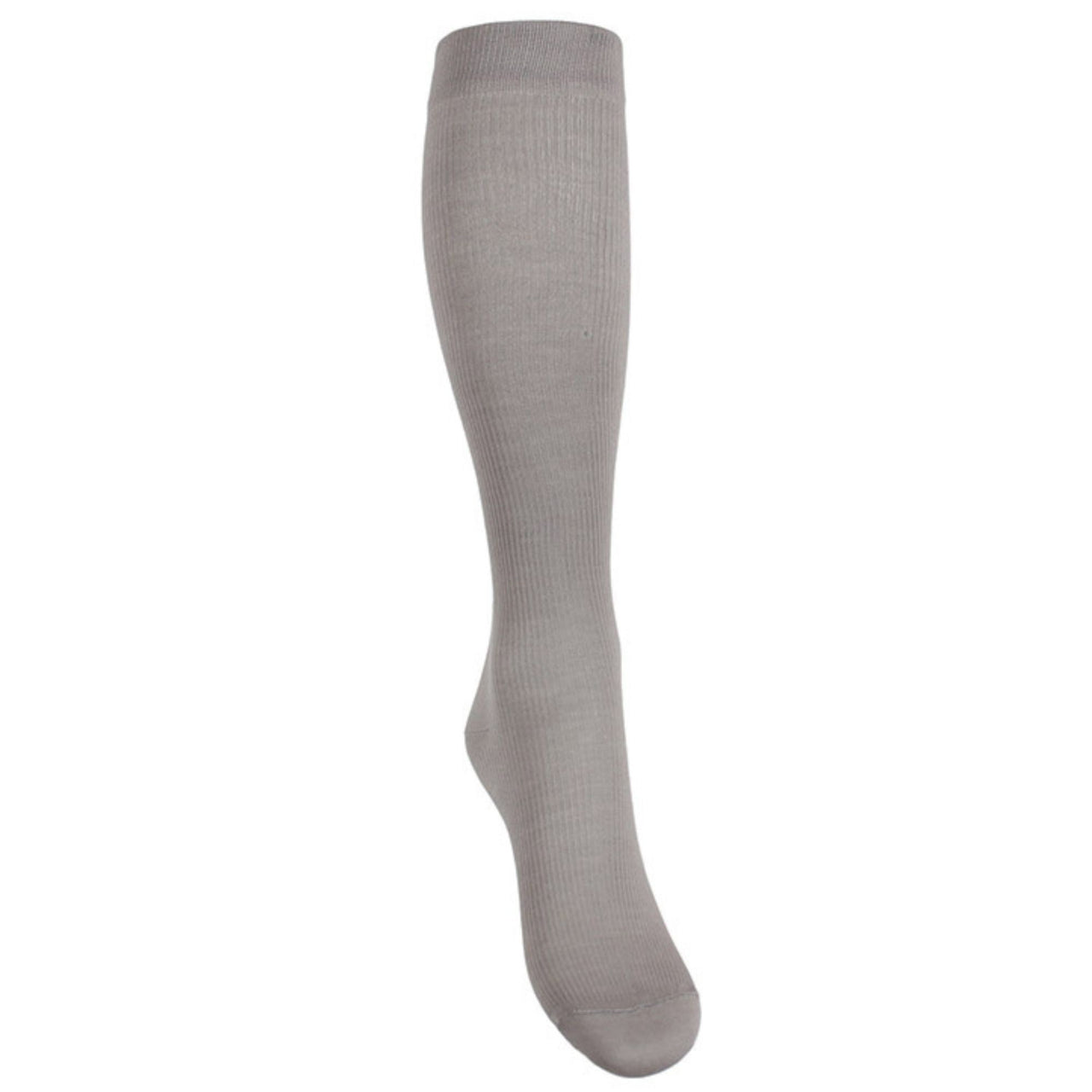
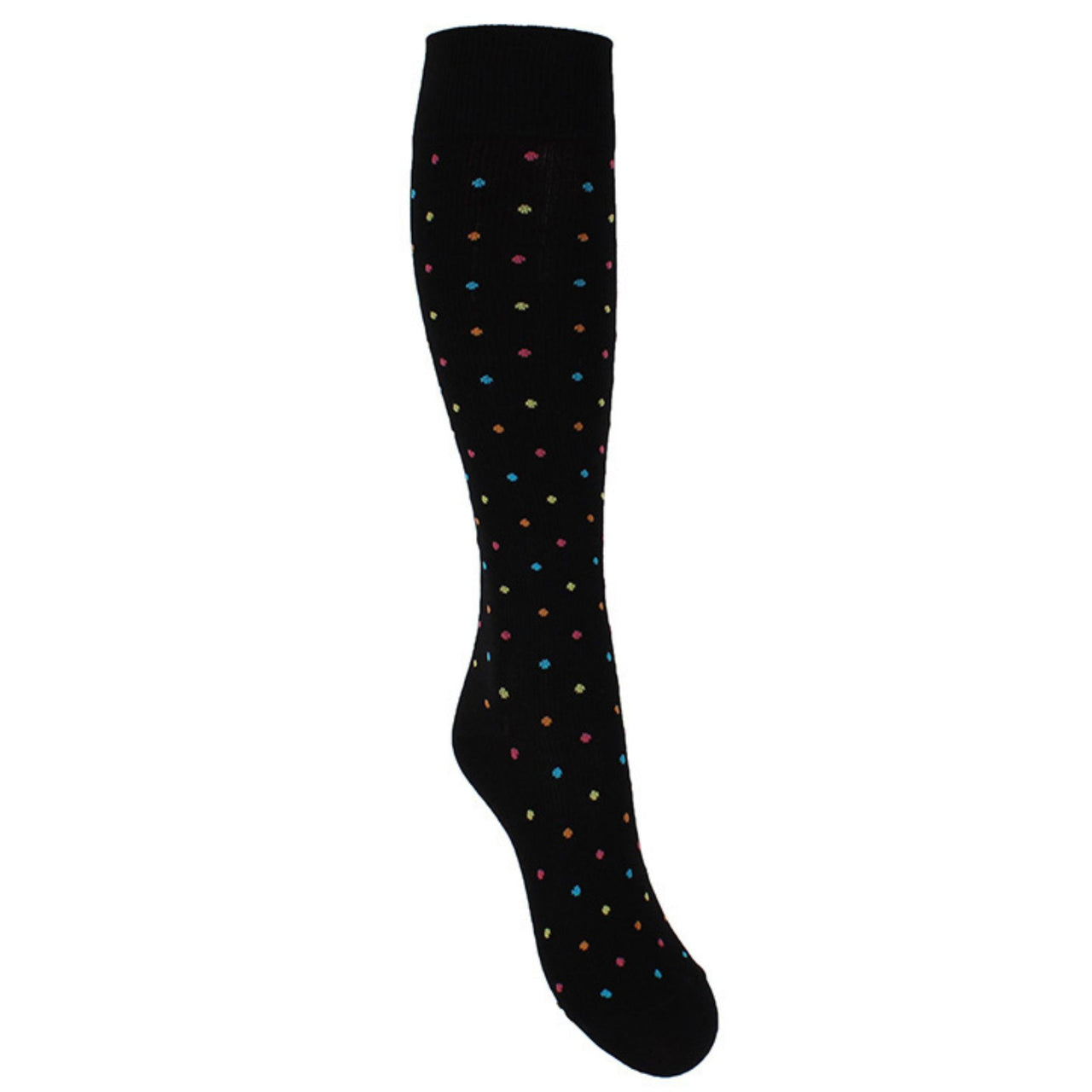
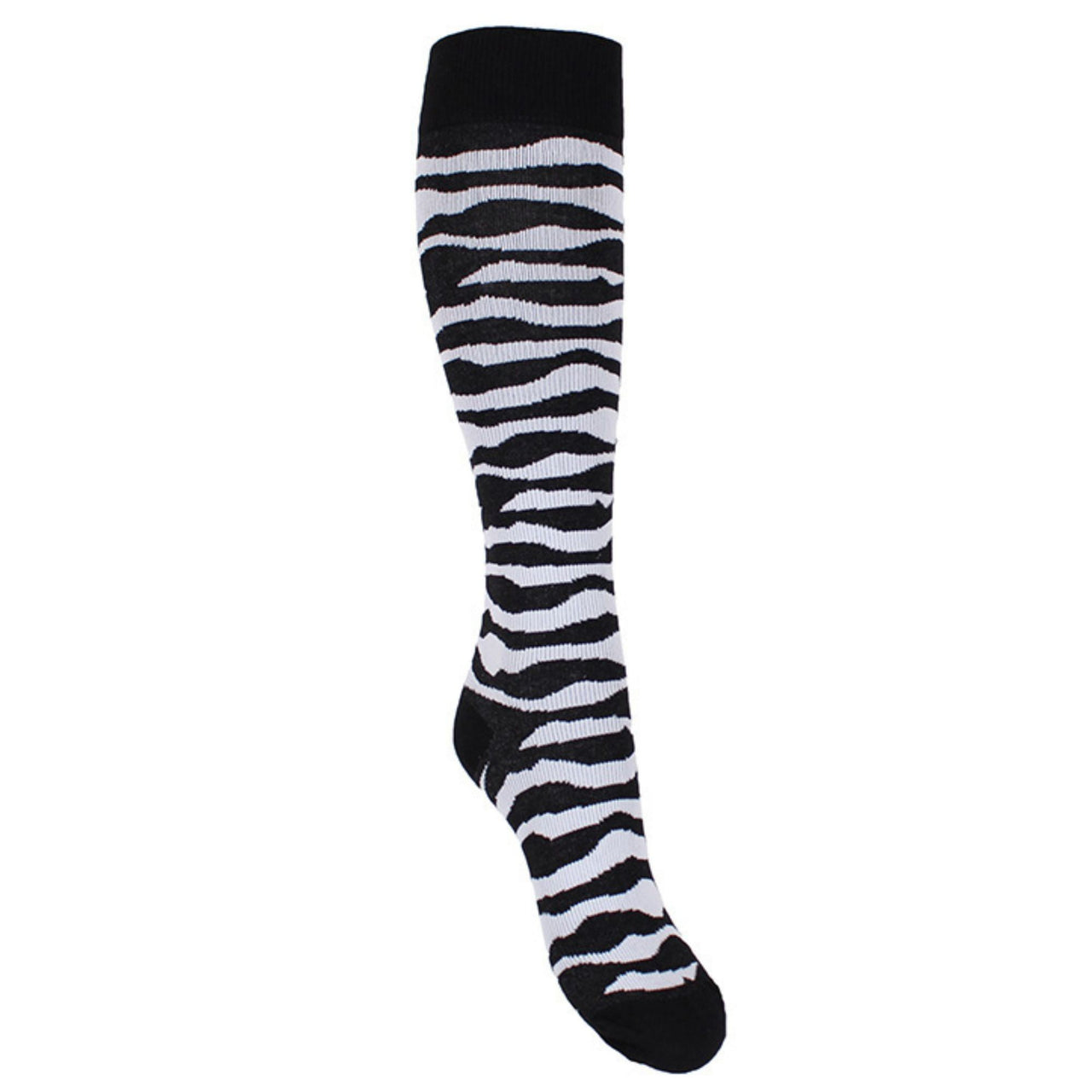

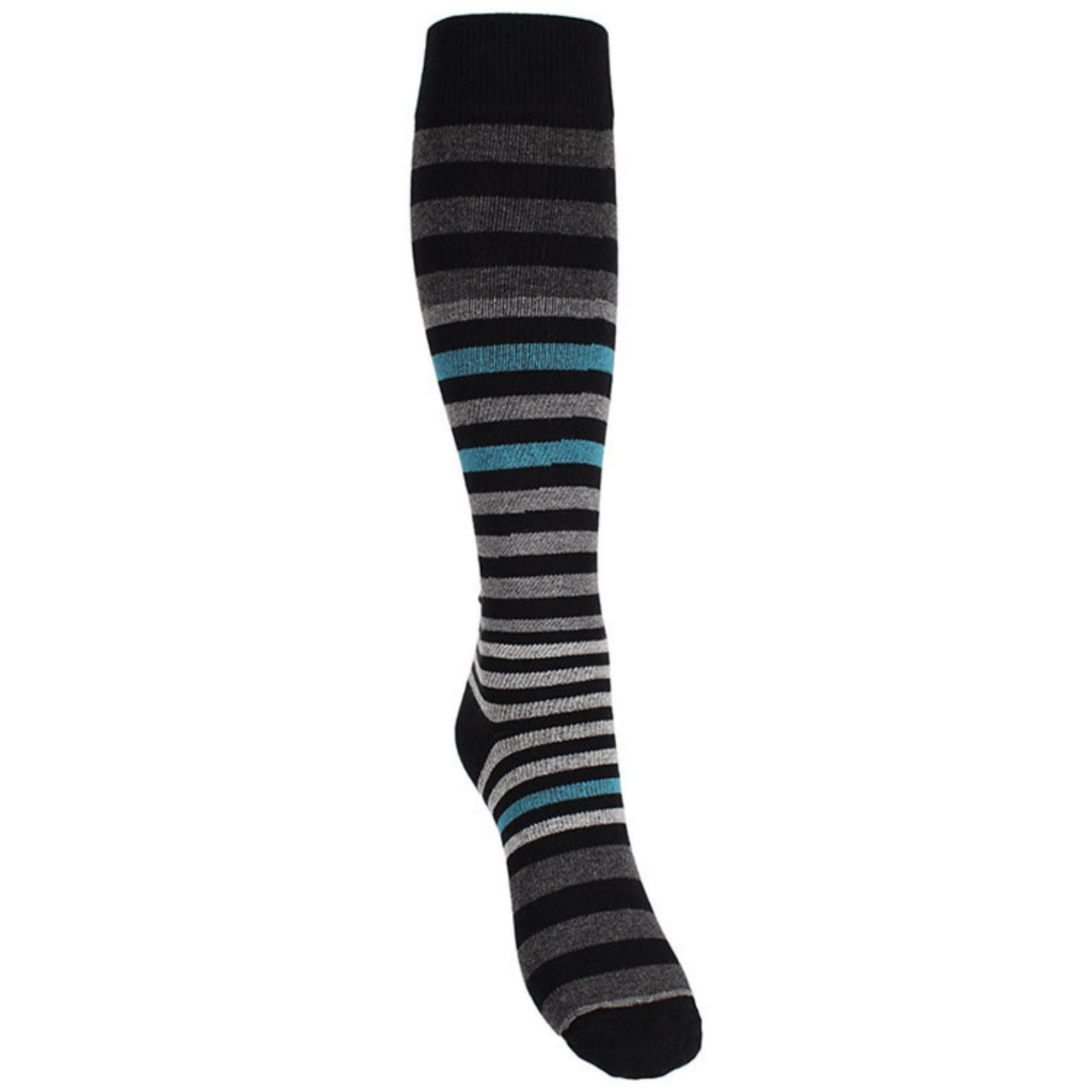
Støttestrømper med graderet kompression giver lindring ved hævede ben, graviditet, lange flyvninger, sportsgenopretning og andre cirkulationsproblemer. Trykket er højest ved anklen og aftager opad, hvilket fremmer venøst tilbageflow og reducerer følelsen af tunghed. Vælg strømper i den rigtige kompressionsklasse og med en klar trykangivelse i mmHg. Klasse 1 svarer normalt til 15 til 21 mmHg og er velegnet til milde gener, rejser og under graviditet. Klasse 2 ligger ofte på 23 til 32 mmHg og anbefales ved mere udtalte symptomer efter råd fra sundhedspersonale. For den bedste effekt er den rigtige størrelse nødvendig. Mål den smalleste omkreds af anklen og den bredeste del af læggen, helst om morgenen når hævelsen er mindst. En korrekt pasform gør en mærkbar forskel på arbejdet, under rejser og efter træning.
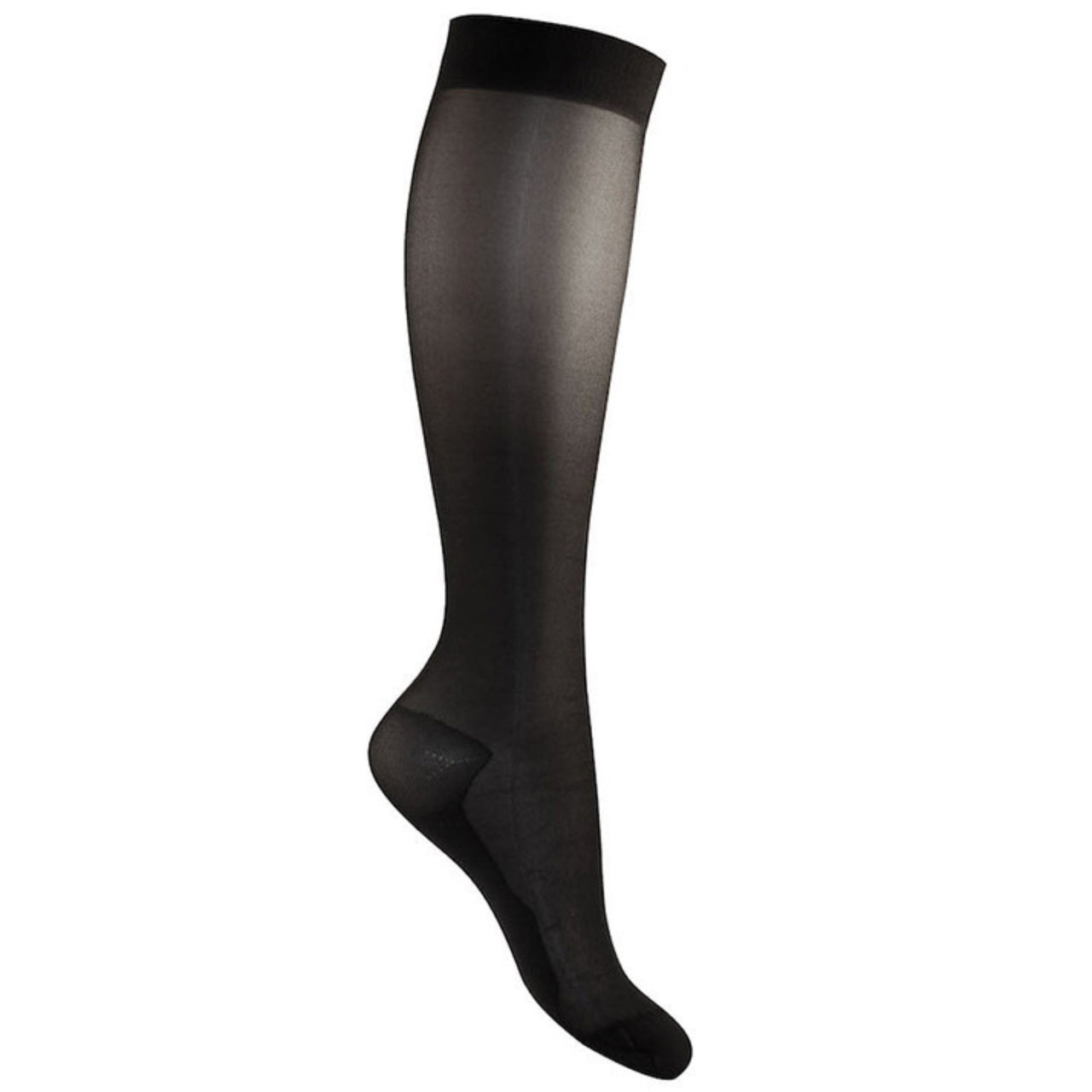
Under en stillesiddende flyvning, lange arbejdstider, stående eller under graviditet kan kompressionsklasse 1 give behagelig lindring og lettere ben. Atleter bruger gerne kompression mellem træninger for hurtigere restitution og mindre hævelse. Ved mere vedholdende problemer vælges klasse 2 ofte efter vurdering af sundhedspersonale. Juster materialet efter sæson og aktivitet: bomuld til hverdag, merinould når det er koldt, og nylon for et tyndere, mere fleksibelt alternativ. Hvis diskret støtte ønskes på kontoret, kan kompression i form af hverdagstrømper være et godt valg. Tag strømperne på straks om morgenen, tjek at hæl og tå er korrekt placeret, og glat eventuelle folder ud for at undgå trykpunkter.
Mål dine mål, vælg kompressionsklasse og materiale, der passer til din hverdag. Tag det første skridt mod lettere ben med støttestrømper i dag.