
Din sovestilling betyder mere, end du tror
Hvordan du sover påvirker, hvor meget belastning din nakke udsættes for i flere timer ad gangen. Selv små afvigelser i hovedets og nakkens position kan over tid bidrage til stivhed eller ubehag, når du vågner.
Forskellige sovestillinger stiller forskellige krav til nakkestøtte. Her gennemgår vi, hvad du skal overveje afhængigt af, hvordan du sover – og hvordan du kan skabe bedre forhold for din nakke om natten.
Hvis du vil læse mere om nakkesmerter, symptomer og underliggende årsager, anbefaler vi vores Skadeguide til nakkebesvær.
Ryggesøvn – støtte til nakkens naturlige kurve
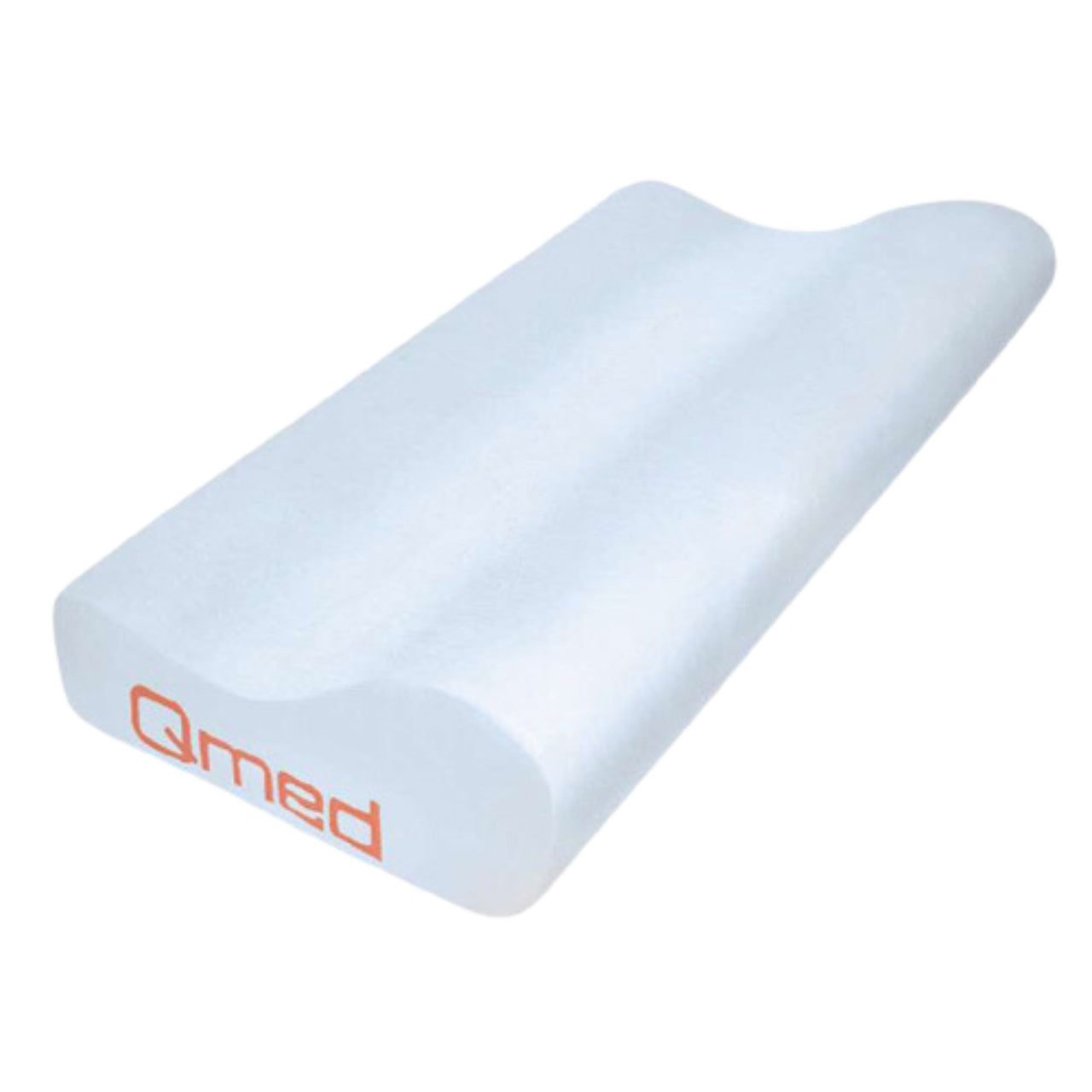
Ved ryggesøvn er målet at støtte din nakke i dens naturlige kurve, uden at dit hoved hælder fremad eller bagud. Jævn og moderat høj støtte hjælper med at holde din nakke i en neutral position.
Almindelige fejl ved ryggesøvn:
- For høj pude, der skubber hovedet fremad
- For blød pude, der synker sammen i løbet af natten
Sidesøvn – hold rygsøjlen i linje
For sidesovere er det vigtigt at udfylde rummet mellem din skulder og hoved, så din nakke og hvirvler holdes lige. Hvis støtten er for lav eller giver efter, kan din nakke ende i en sidebøjning i flere timer.
Almindelige fejl ved sidesøvn:
- Pude for lav
- Puden mister form og støtte i løbet af natten
Mavesøvn – ofte mere belastende for nakken
Mavesøvn involverer normalt, at nakken drejes til siden, hvilket kan blive belastende over tid. Som følge heraf oplever mange flere stivhed eller ubehag ved at sove på maven sammenlignet med andre sovestillinger.
Almindelige fejl ved mavesøvn:
- For høj pude øger vridningen i nakken
- Sove med hovedet skarpt drejet til den samme side hele natten
Tip: Vælg en pude, der er så lav som muligt, og prøv, hvis det er muligt, gradvist at reducere mavesøvnen, hvis du har nakkebesvær.
Tilpas efter helheden
Sovestilling, pude og madras interagerer. En blød madras får kroppen til at synke mere, hvilket påvirker, hvor højt nakkestøtte der er behov for. Derfor er det vigtigt at se søvnmiljøet som en helhed, snarere end at fokusere på en enkelt faktor.
Hvornår kan den rigtige pude gøre en forskel?
Hvis stivhed eller nakkesmerter vender tilbage på trods af gode daglige vaner, kan en nakkepude tilpasset din sovestilling bidrage til bedre aflastning og en mere neutral position for nakken om natten.
Vil du forstå symptomer, årsager og behandling af nakkebesvær? Så anbefaler vi vores Skadeguide til nakke og skulder. Hvis du har brug for hjælp til at vælge det rigtige produkt, er du altid velkommen til at kontakte vores fysioterapeut.
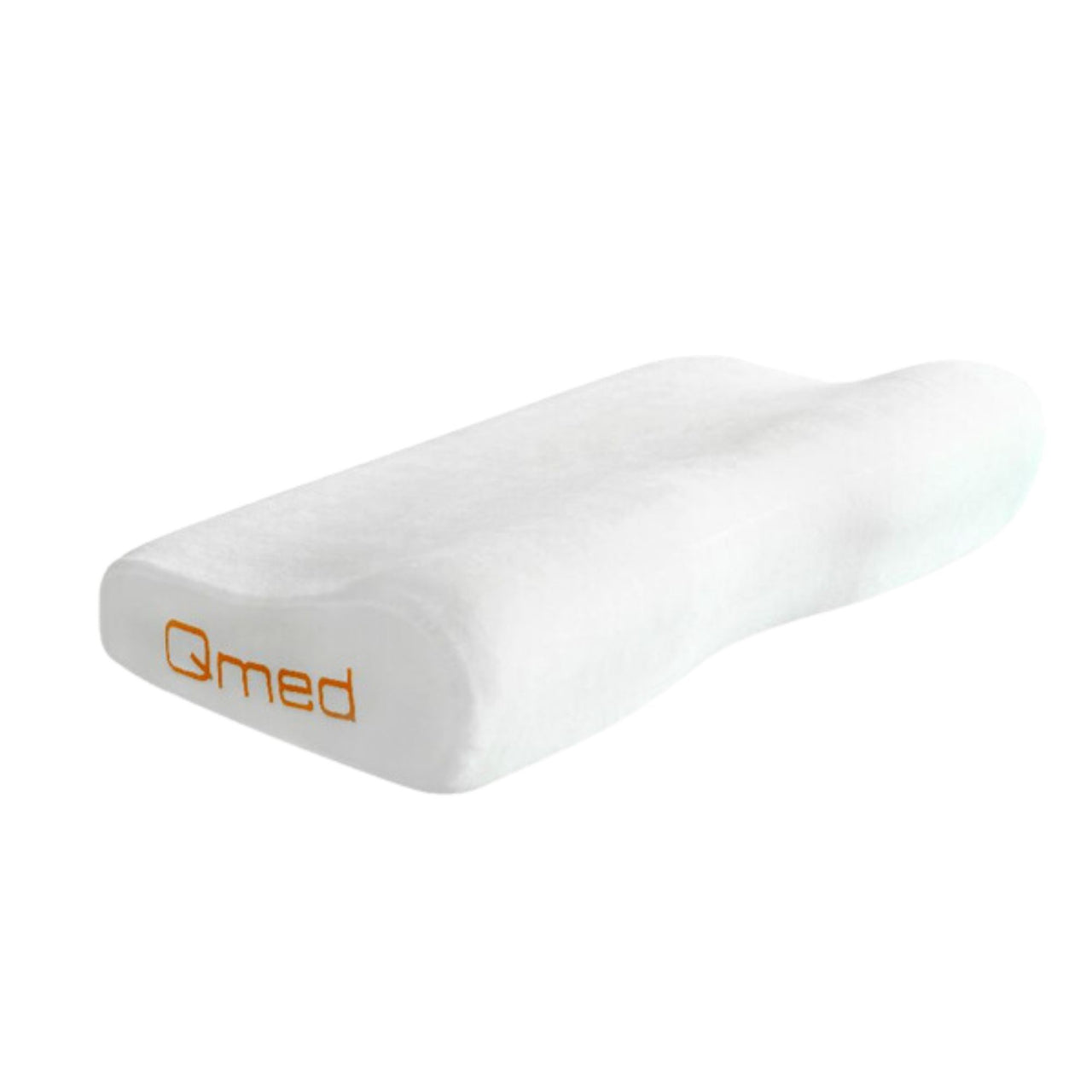
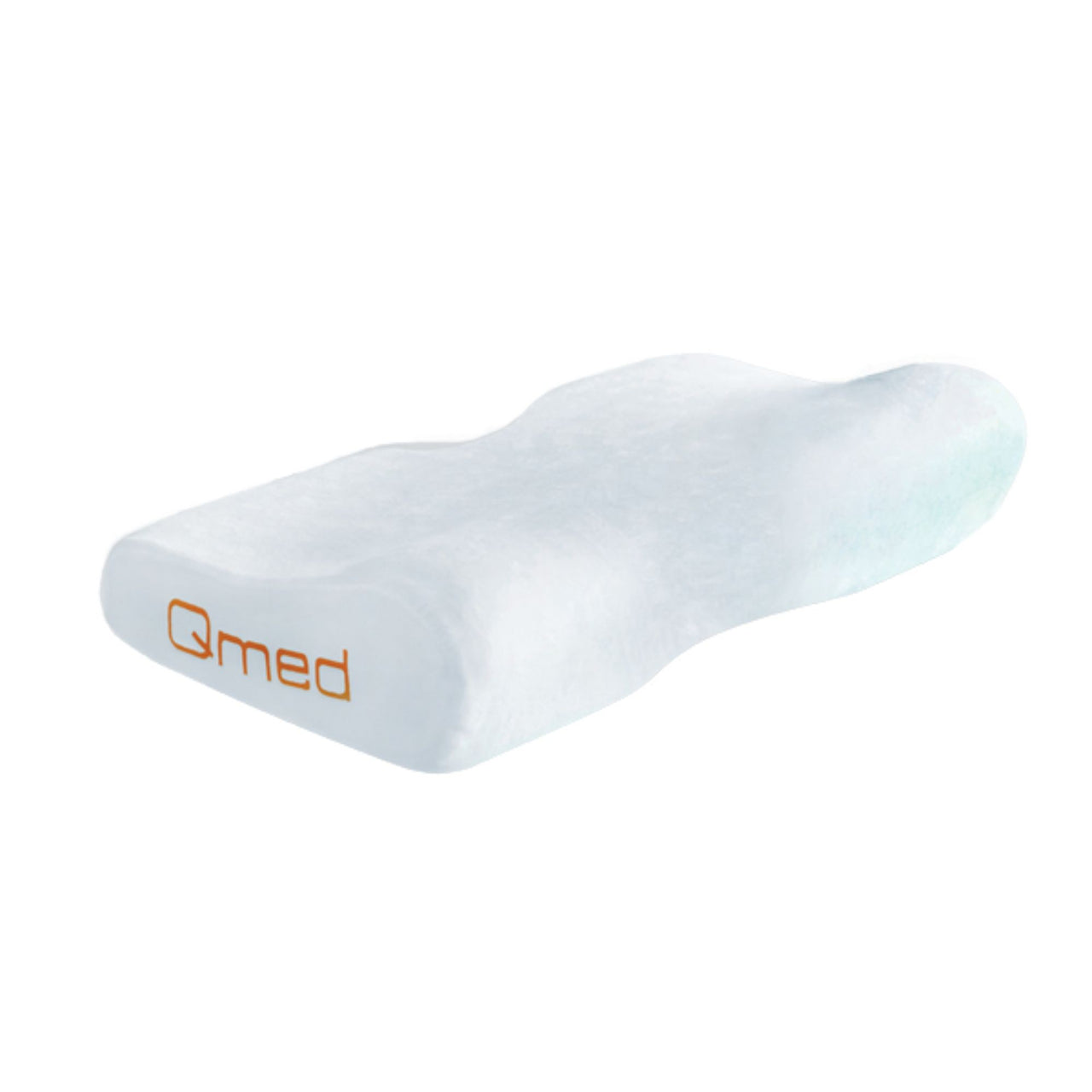
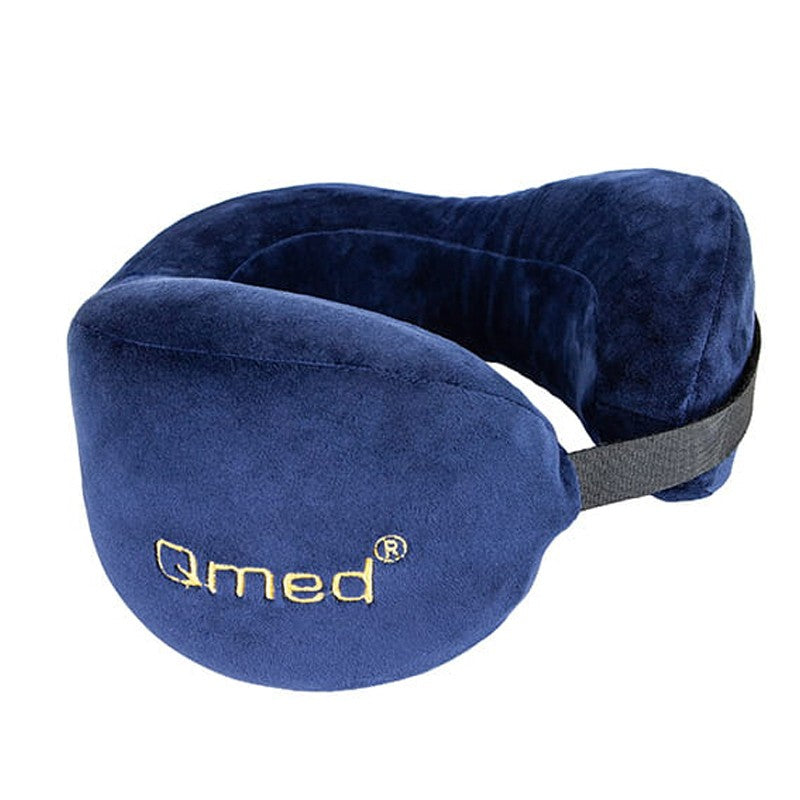
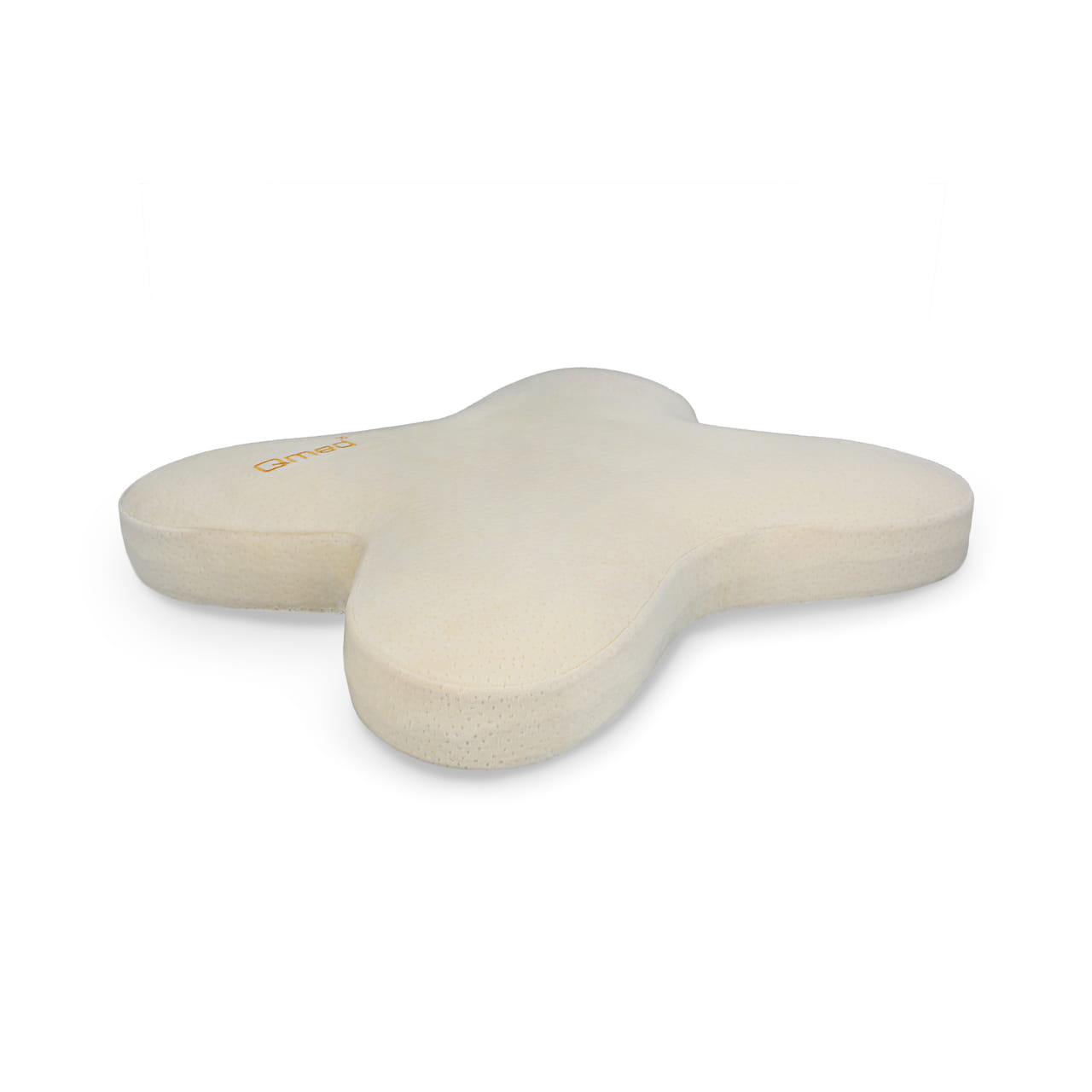
Se vores udvalg af ergonomiske nakkepuder for en bedre nattesøvn