
Diskusprolaps i nakken er en almindelig årsag til nakkesmerter, der stråler ud i skulderen og armene. Tilstanden kan forårsage smerte, følelsesløshed eller svaghed, men de fleste bliver bedre med tiden. Her er en klar oversigt over symptomer, årsager og hvad du kan gøre for at lindre symptomerne.
Hvad er en diskusprolaps i nakken?
En diskusprolaps i nakken, eller cervikal diskusprolaps, betyder, at en disk mellem hvirvlerne i nakken buler eller brister og presser mod en nerverod. Dette kan forårsage smerte i nakken, der stråler ned i skulderen, armen og hånden. Symptomerne kan komme pludseligt eller udvikle sig gradvist og er ofte forbundet med stivhed og nedsat bevægelighed i nakken. De fleste diskusprolapser heler af sig selv inden for 2–6 måneder.
Almindelige årsager & risikofaktorer
Aldersrelaterede ændringer i diskene, langvarig belastning, gentagne bøjninger og vridningsbevægelser eller statisk arbejde er almindelige årsager. Over tid bliver disken mindre elastisk og mere følsom over for belastning. Mennesker, der arbejder meget foran en computer, løfter tunge genstande eller udsætter nakken for gentagne bevægelser, kan have en øget risiko.
Symptomer
Typiske symptomer er smerte i nakken med stråling til skulderen og armene, nogle gange helt ned i hånden. Prikken, følelsesløshed eller nedsat styrke i armen kan forekomme afhængigt af hvilken nerverod der er påvirket. Nakken kan føles stiv. Visse bevægelser, især bagoverbøjning eller rotation, kan forværre smerten.
Hvornår skal du søge lægehjælp?
Kontakt et sundhedscenter, hvis symptomerne ikke er blevet bedre efter tre til fire uger, hvis der er svær eller stigende smerte, hvis der er påvirkning af følelse eller styrke i armen eller hånden, eller hvis du har svært ved at bruge din hånd i dagligdags aktiviteter.
Søg akut hjælp, hvis du oplever betydeligt tab af styrke eller følelse i dine arme, ben eller omkring dine kønsorganer/endetarm, gangbesvær eller problemer med at kontrollere din urin eller afføring. Sådanne tegn kan indikere mere alvorlig nervepåvirkning, der kræver øjeblikkelig vurdering.
Anbefalet beskyttelse & støtte
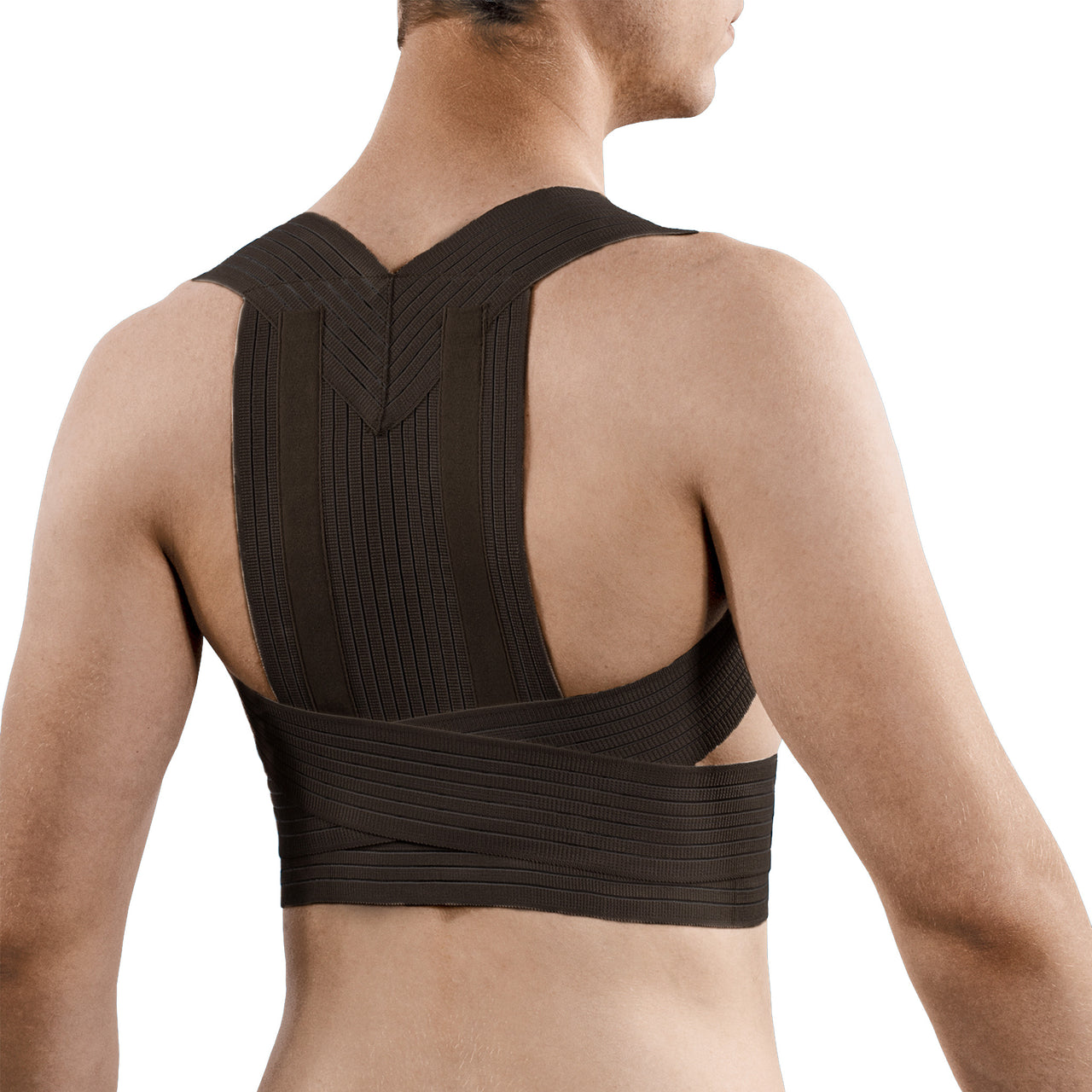
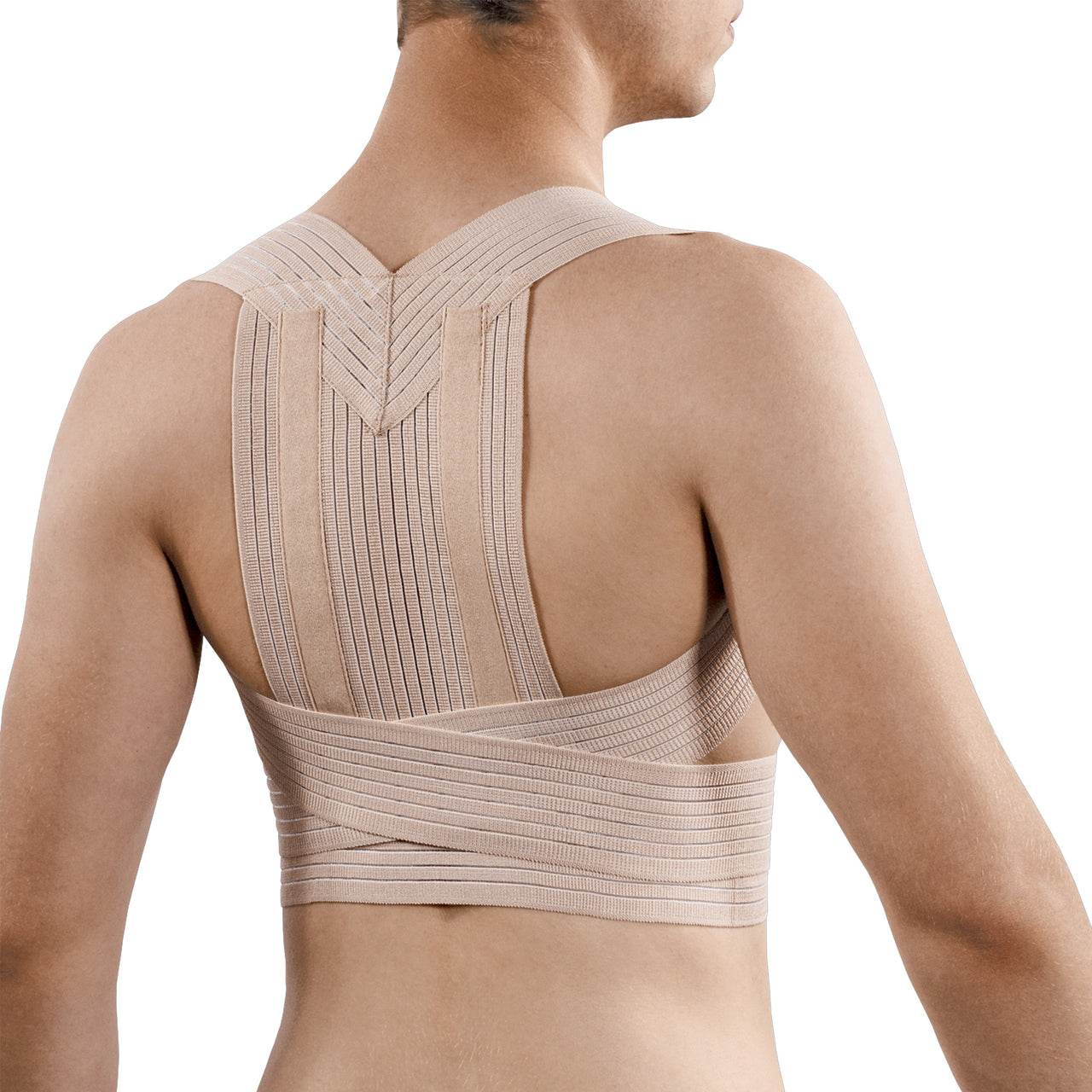
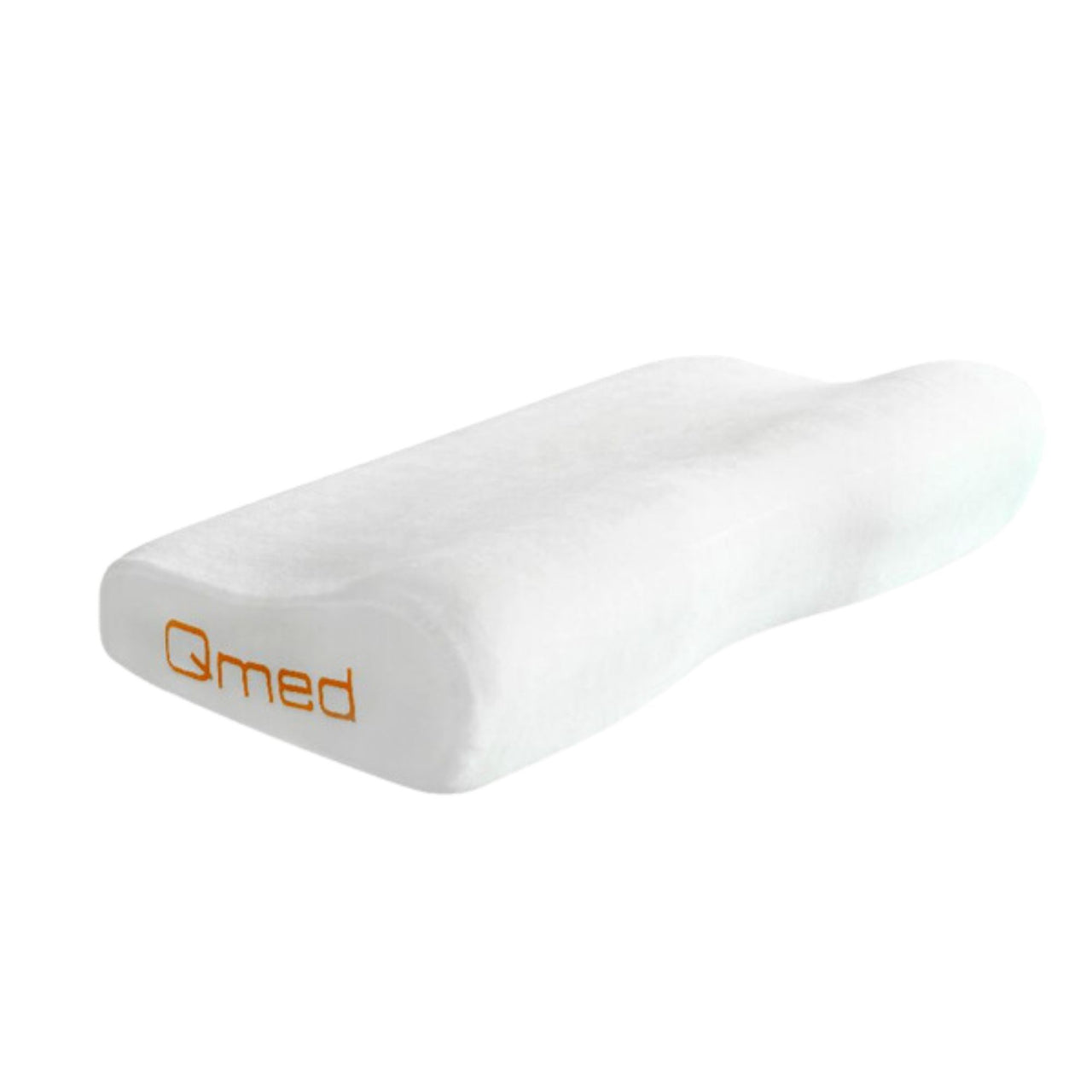
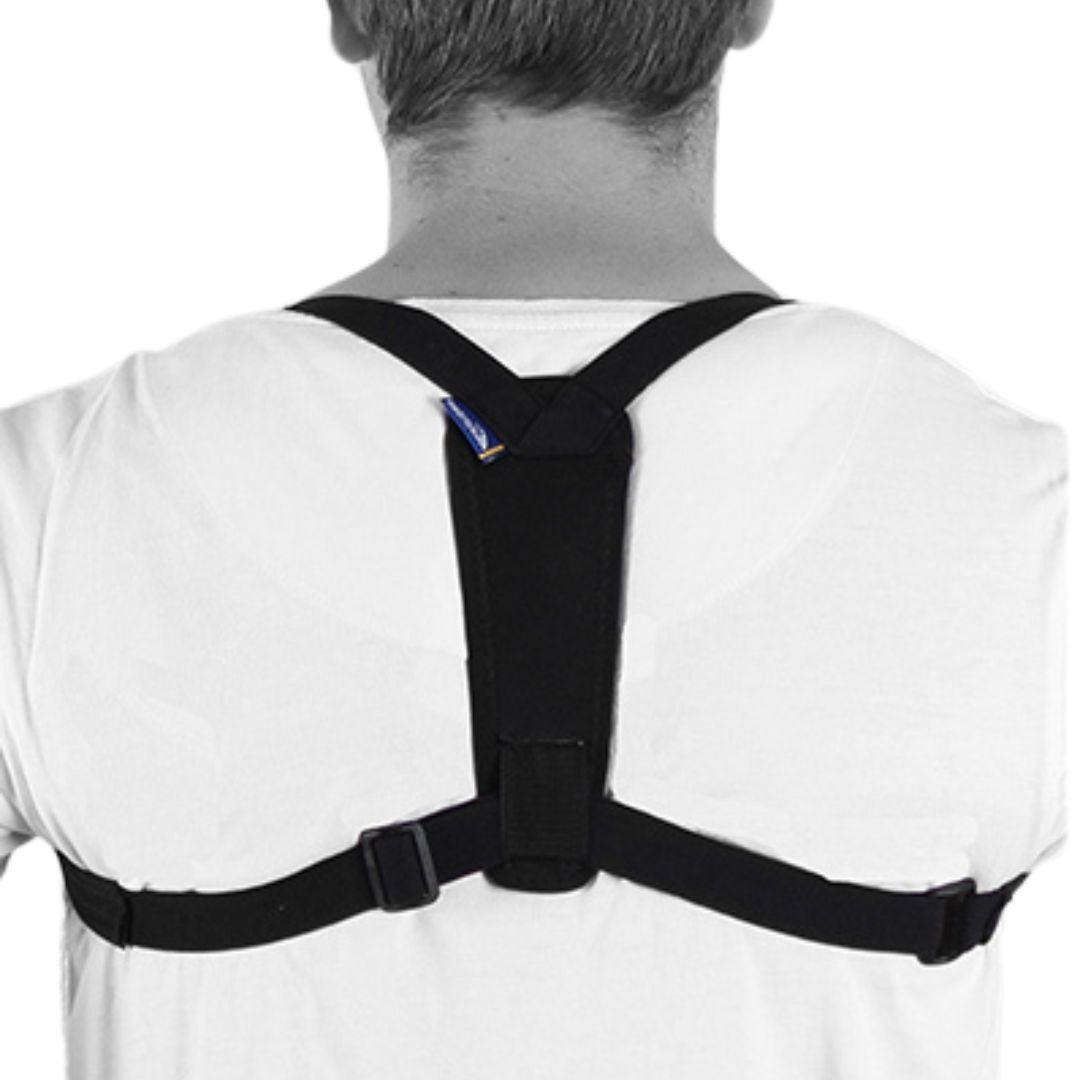
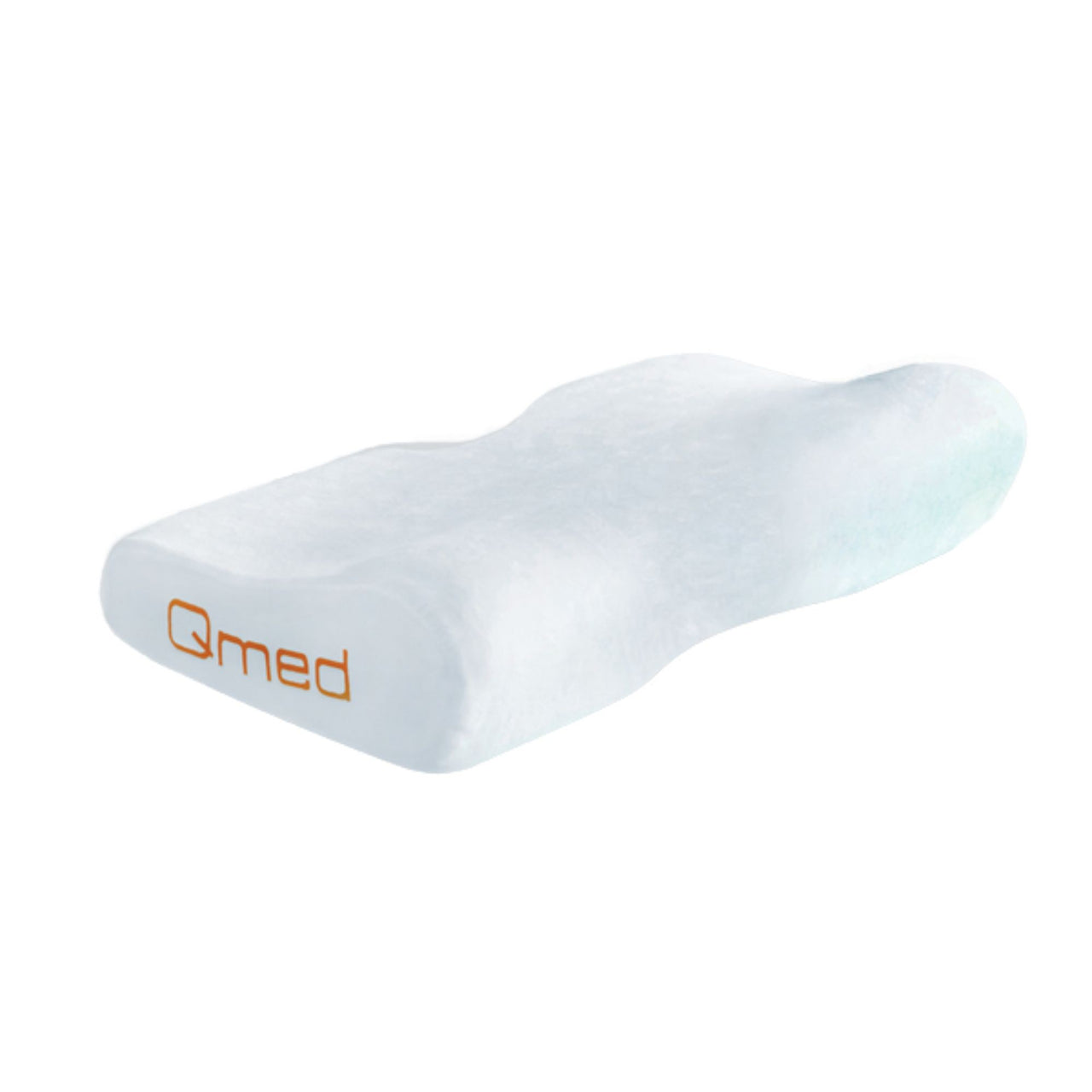
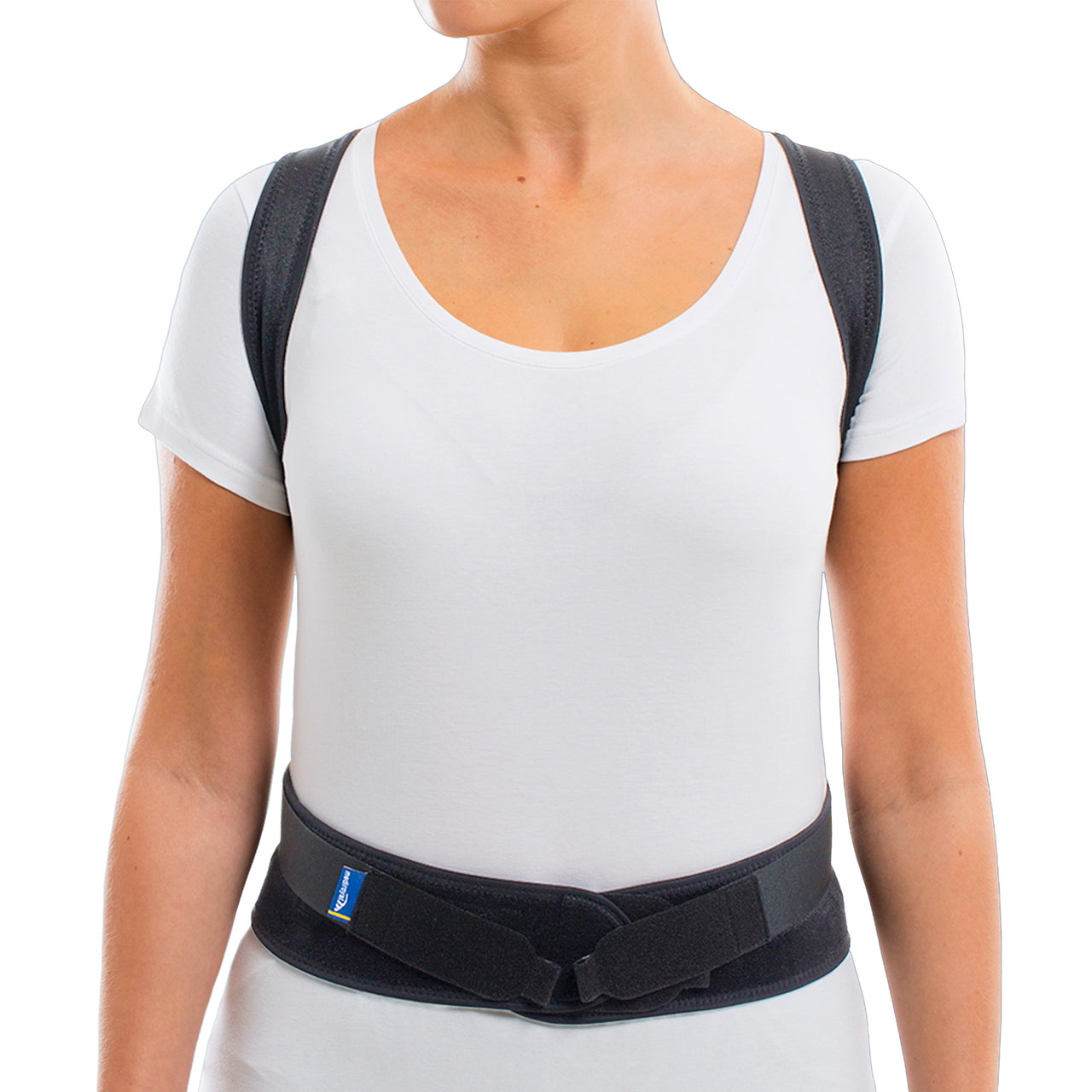
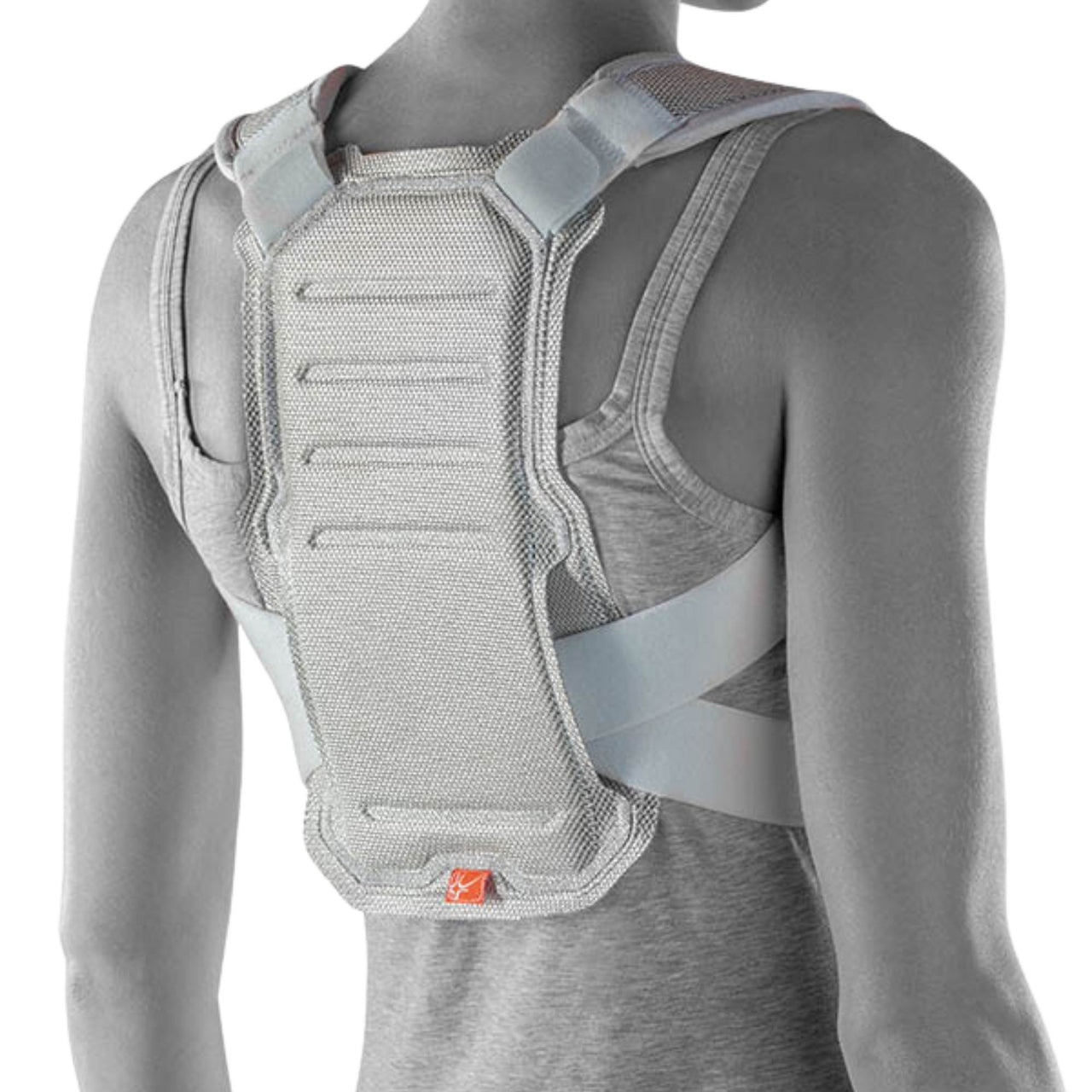
Varme over nakken og skuldrene kan lindre muskelspændinger. En nakkepude eller ergonomiske tilpasninger ved søvn og arbejde kan reducere belastningen. Holdningsstøtter, der fremmer en mere neutral position, kan være nyttige. Træning af de dybe nakkefleksormuskler og musklerne omkring skulderbladene og thoraxryggen er vigtig for langsigtet forbedring.
Se produkter, der kan hjælpe ved diskusprolaps i nakken
Relaterede skader
For mere information om nakkebesvær kan du finde flere artikler i Skadeguide Nakke. Du kan også gå til Skadeguidens hovedside for at læse om andre skader og symptomer.