
Advice from our physiotherapist

ADVICE & SUPPORT

Talk to our physiotherapist

Need help? Ask Eir, Rehaboteket's AI assistant.

Patellar luxation

Patellar luxation, also known as kneecap dislocation, occurs when the kneecap temporarily moves out of its normal position and can cause pain, swelling, and instability in the knee. The injury often occurs when twisting or making sudden movements. Here we have collected protection and support that can contribute to relief and increased stability in patellar luxation in everyday life, training, and rehabilitation – selected by our licensed physiotherapist.

Want to read more about causes, symptoms, and when to seek medical attention? Visit our Injury Guide on Patellar Dislocation for a medical overview and guidance.

Braces and supports for patellar luxation are often used for instability and pain in the knee joint, but do not replace medical assessment for persistent or severe pain.

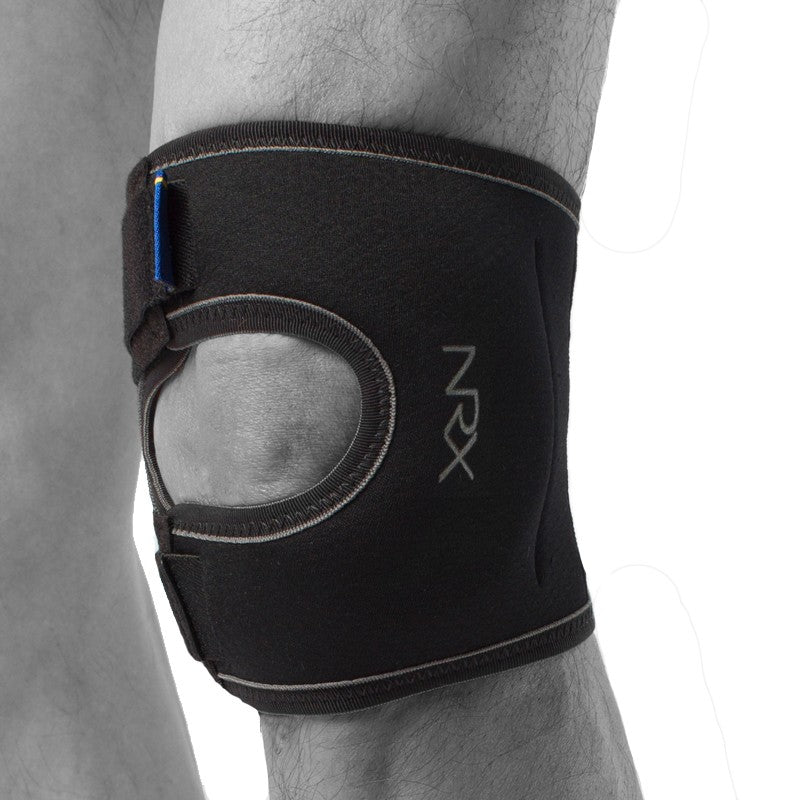
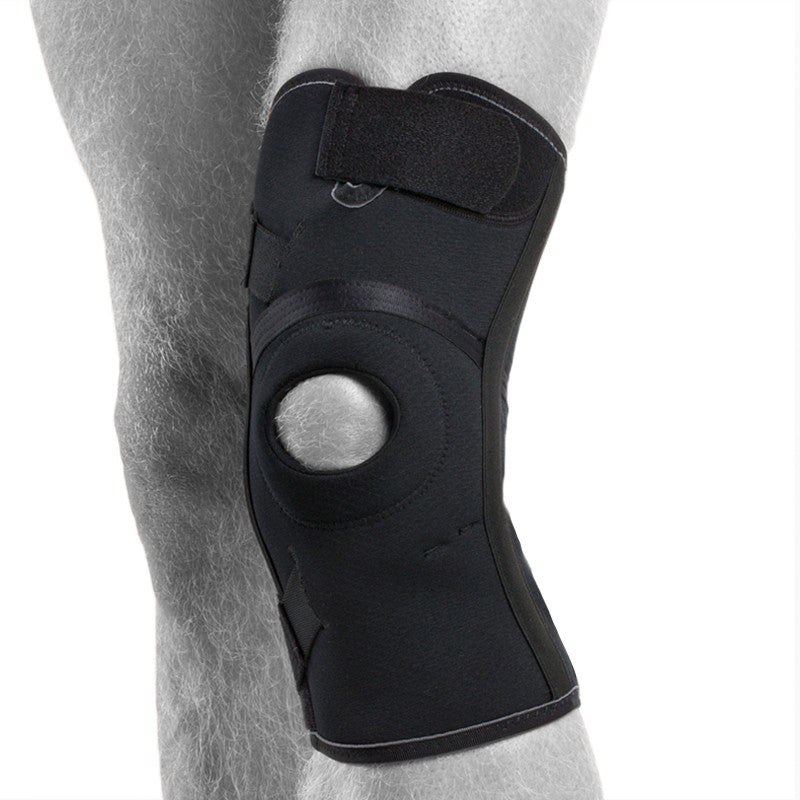
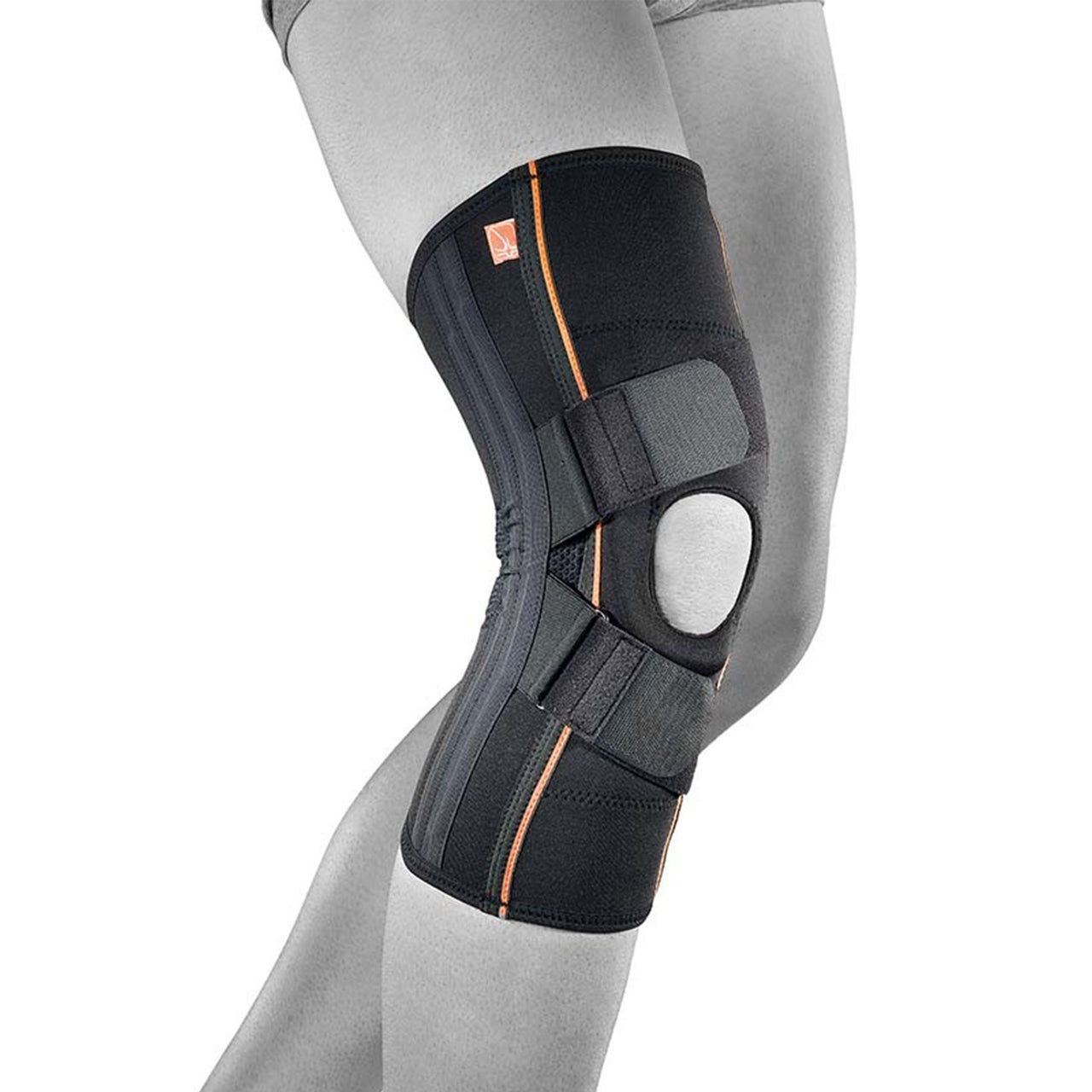
4 Products

Frequently asked questions

Knee braces in case of patellar luxation – stability and support in case of unstable kneecap

Patellar luxation means that the kneecap jumps out of its normal position, usually to the side. The injury often occurs when twisting, falling, or playing sports with rapid changes in direction and can cause pain, swelling, and a feeling of instability in the knee. Here we have collected knee braces that help stabilize the kneecap, relieve pressure, and increase safety in the event of patellar luxation – selected by our licensed physiotherapist.

Read more about causes, symptoms, and guidance in our Patellar Dislocation Injury Guide.

Benefits of knee braces for patellar luxation:

  • Stabilizes the kneecap during movement
  • May reduce the risk of new dislocation
  • Contributes to safer loading in everyday life and activities
  • Suitable for rehabilitation, everyday use, and controlled training