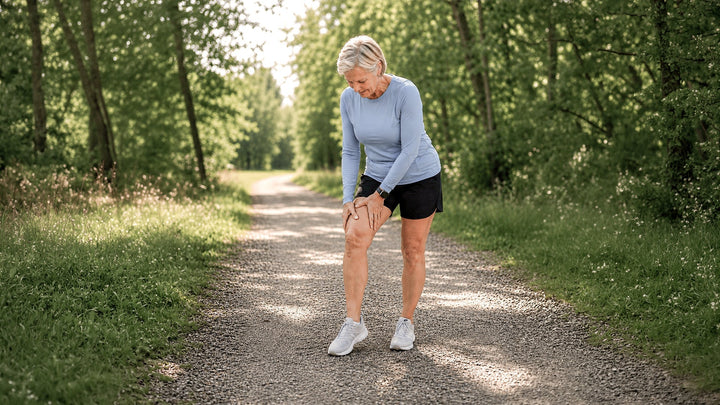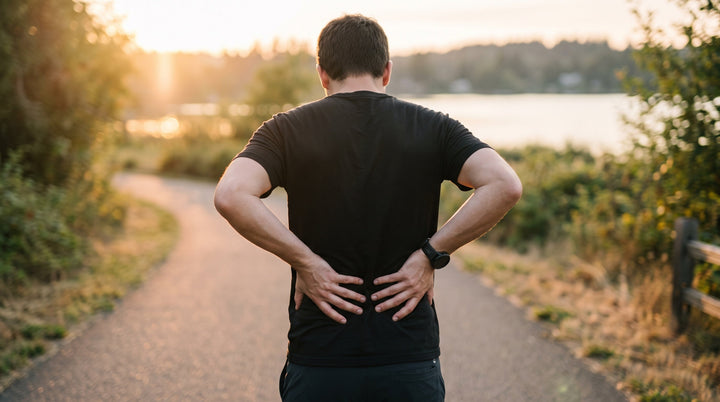

Knæsmerter er en af de mest almindelige klager både under træning og i hverdagen. Når det gør ondt, er den spontane reaktion ofte at stoppe med at bevæge sig helt – men total hvile er sjældent den bedste løsning. Samtidig kan den forkerte type aktivitet forværre ubehaget. Balancen mellem belastning og restitution er afgørende for, hvor hurtigt knæet beroliges og genvinder funktion.
Hvis du vil læse mere om symptomer og underliggende årsager, anbefaler vi vores Skadeguide om knæbesvær.
Hvile eller bevægelse – hvad siger forskningen?
For de fleste almindelige knæproblemer, såsom overbelastning, løberknæ, hopperknæ eller slidgigt, viser forskning, at tilpasset bevægelse ofte er bedre end total hvile.
Knæleddet har generelt gavn af cirkulation, muskelaktivering og gradvis belastning. Langvarig inaktivitet kan derimod føre til:
- Reduceret muskelstyrke i lår og bagdel
- Øget stivhed i leddet
- Dårlig stabilitet og kontrol
- Længere restitutionstid
Det betyder dog ikke, at du skal ignorere smerten. Den rette niveau er afgørende.
Hvornår er hvile passende?
Midletidig aflastning kan være klogt, når:
- Smerten er skarp og pludselig
- Knæet er tydeligt hævet og varmt
- Du halter kraftigt.
- Smerten stiger hurtigt ved belastning
I disse perioder kan det være nyttigt at reducere belastningen i et par dage, køle ned om nødvendigt og undgå provokerende aktiviteter. Målet er at berolige irritationen – ikke at blive helt stillesiddende.
Hvornår er bevægelse bedre?
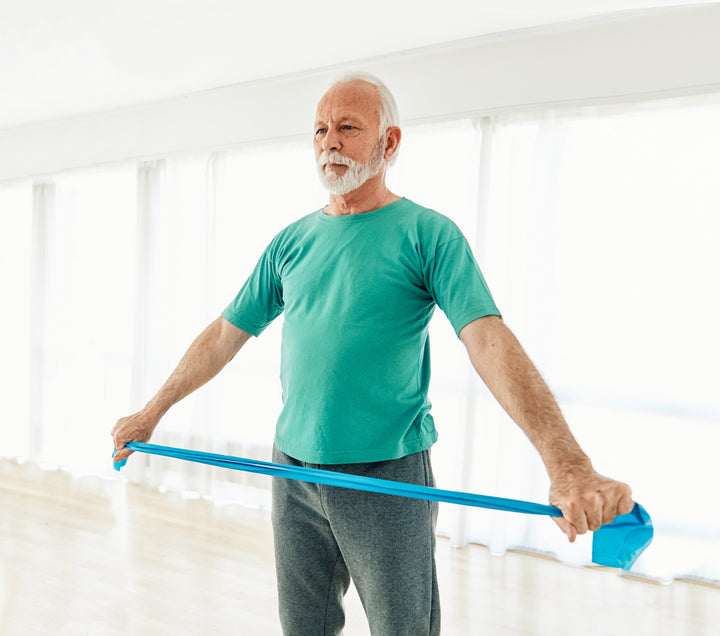
I de fleste tilfælde er kontrolleret bevægelse det, der hjælper knæet med at komme sig. Dette kan inkludere:
- Gåture i roligt tempo
- Cykling med lav belastning
- Mobilitetsøvelser
- Styrketræning med tilpasset squatdybde
- Øvelser for bagdel og hofter
En simpel tommelfingerregel er, at smerten skal være håndterbar under aktiviteten og ikke forværres betydeligt dagen efter.
Almindelige fejl ved knæsmerter
Mange falder i en af disse to yderligheder:
Total hvile for længe – knæet føles bedre i starten, men bliver svagere og mere følsomt, når belastningen genoptages.
Fortsætte som sædvanligt trods smerte – du fortsætter med samme intensitet, hvilket forlænges irritationen.
Nøglen er i stedet at justere belastningen, ikke at stoppe helt.
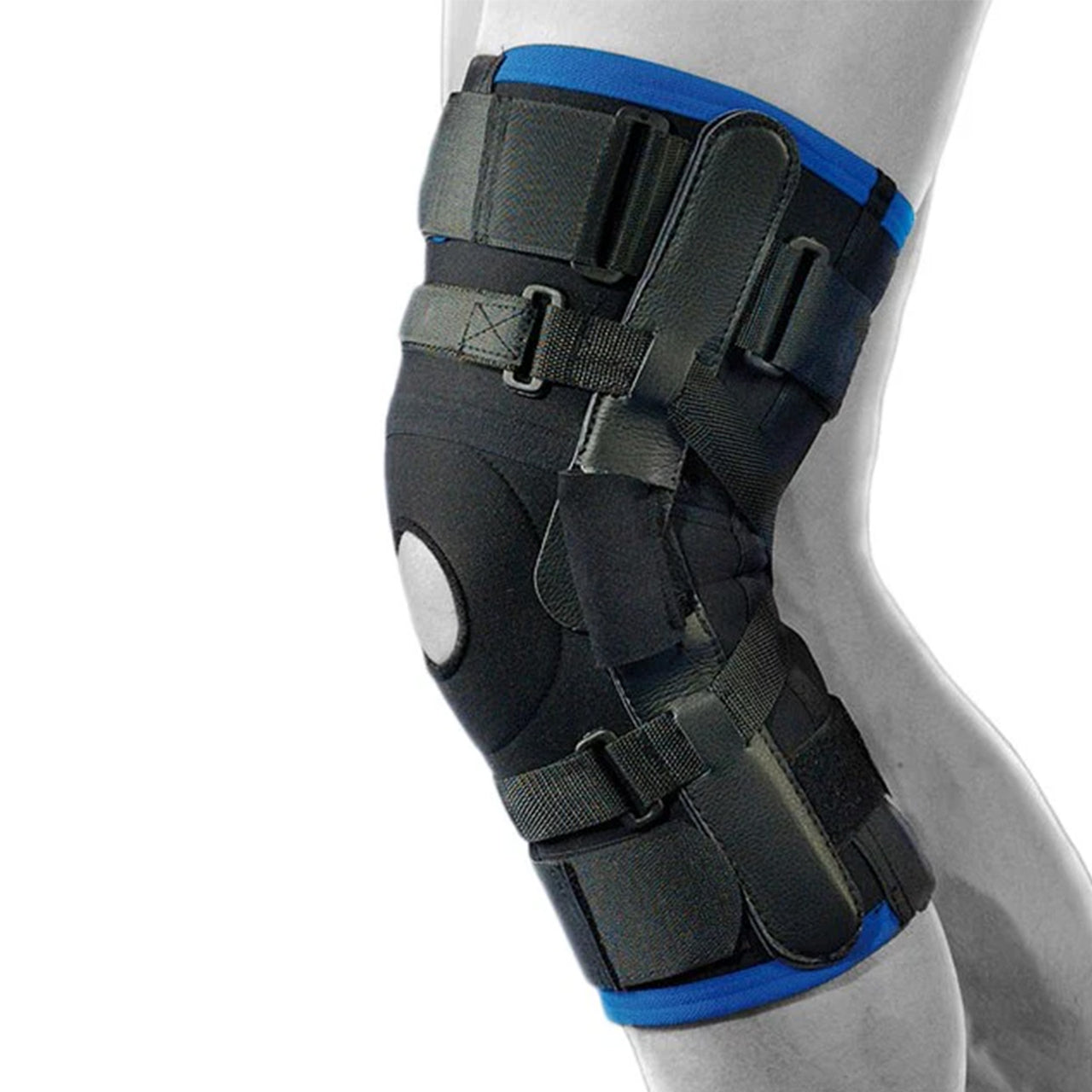
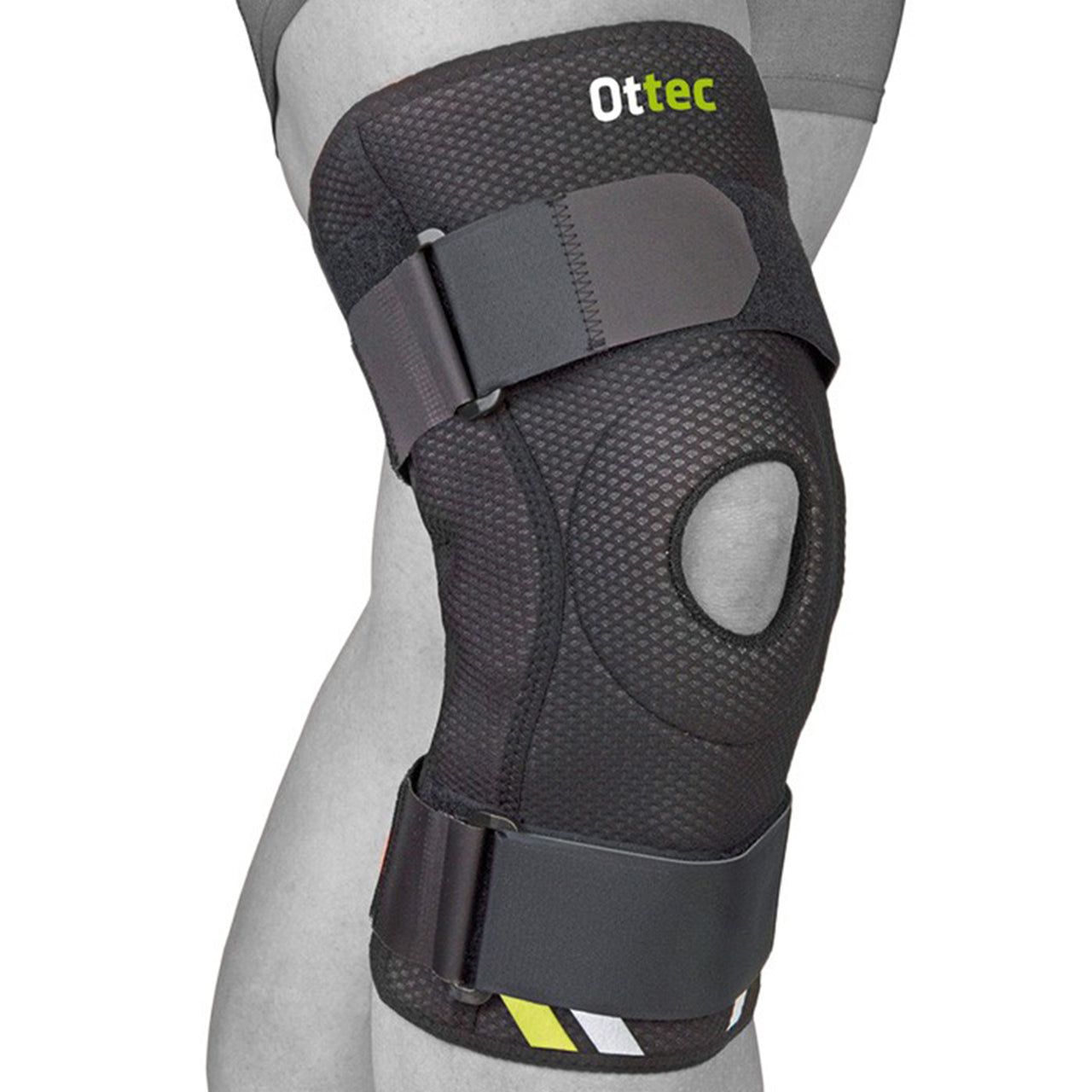
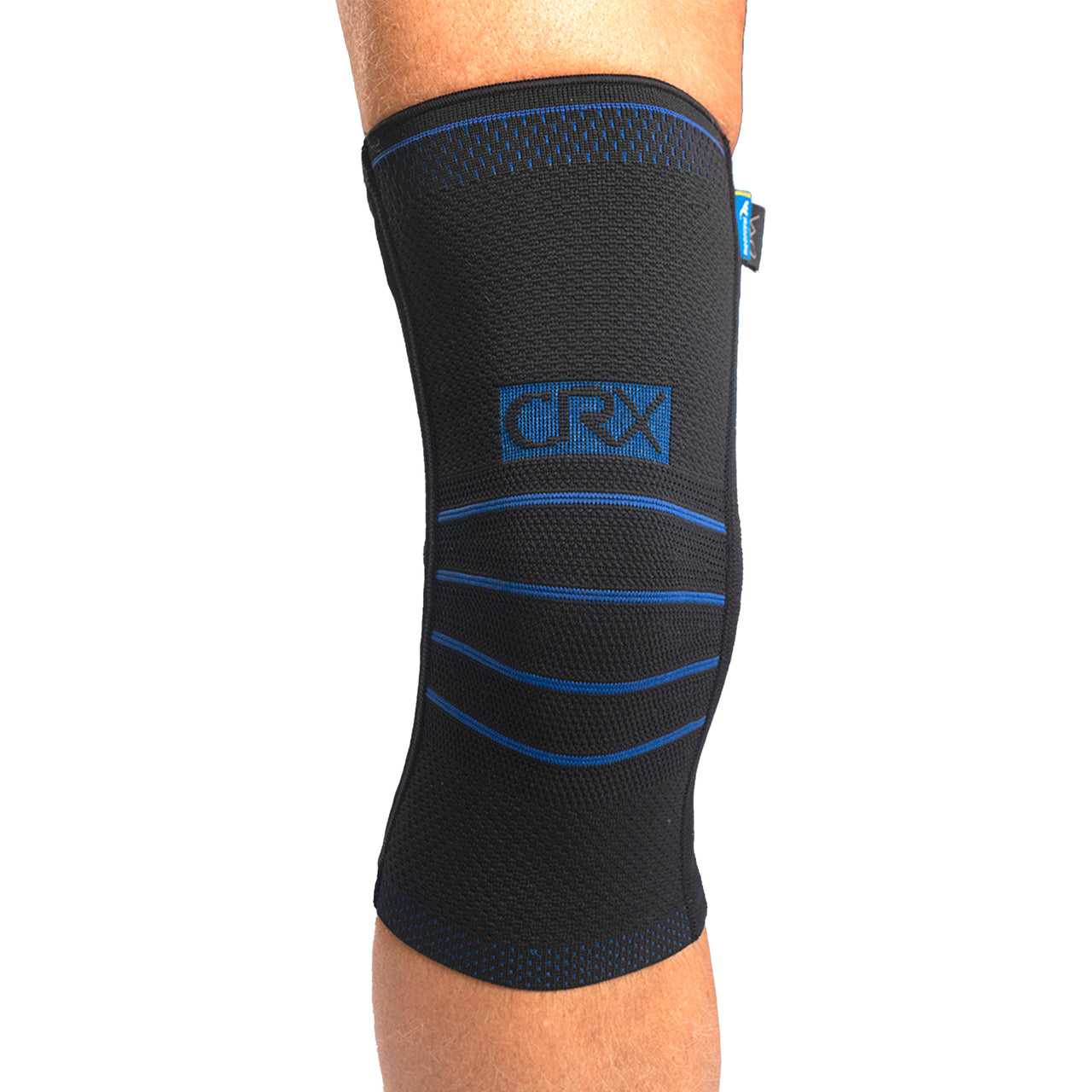
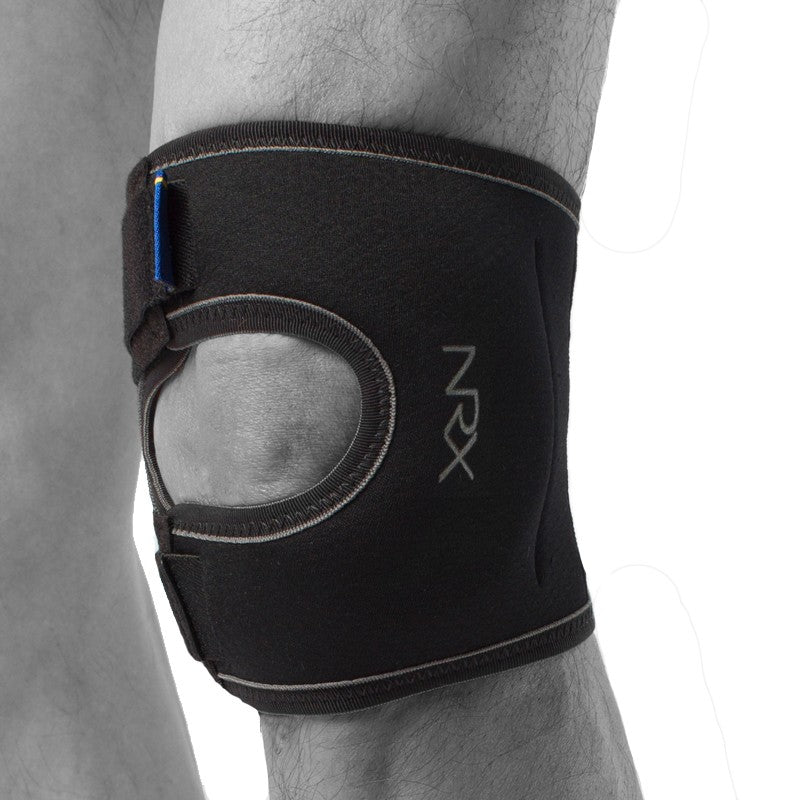
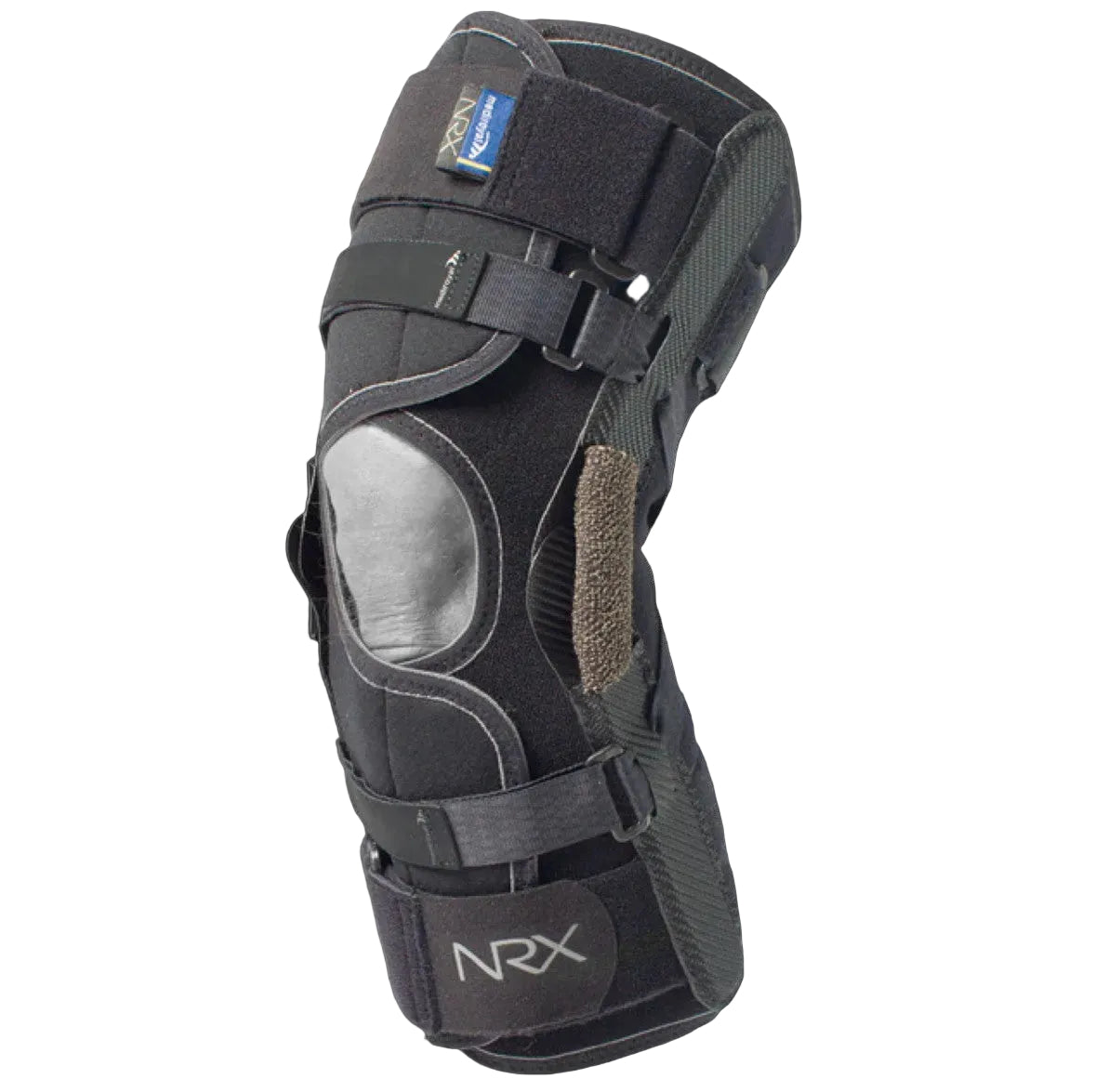
Hvordan kan et knæskydd hjælpe i mellemtiden?
Et knæskydd kan hjælpe med:
- øget stabilitet
- reduceret oplevet smerte under aktivitet
- øget selvtillid ved tilbagevenden til træning
Det er dog vigtigt at se Knæbandagee som et supplement til træning, ikke en erstatning for at styrke muskler og forbedre bevægelseskontrol.
Se vores udvalg af Knæbandagee som kan bidrage til stabilitet og sikkerhed under træning og i hverdagen.
En praktisk model: 3 trin tilbage til bevægelse
- Berolig irritationen – reducer den provokerende belastning i et par dage
- Genintroducer bevægelse gradvist – lavintensitetsaktivitet uden at øge smerten
- Opbyg styrke – fokusér på lår, bagdel og kerne for bedre knækontrol
Når du kan bevæge dig uden at smerten stiger over tid, er du på rette vej.
Resumé
Knæsmerter er sjældent et spørgsmål om hvile eller bevægelse – men snarere den rette mængde bevægelse på det rette tidspunkt. Total inaktivitet kan forsinke helingen, mens kontrolleret belastning ofte styrker knæet og reducerer ubehaget over tid.
Hvis du vil forstå mere om symptomer, årsager, behandling og hvornår det kan være klogt at søge hjælp, anbefaler vi vores Skadeguide om knæbesvær.
Hvis du ønsker hjælp til at vælge det rigtige produkt baseret på dine klager, er du altid velkommen til at kontakte vores fysioterapeut for personlig rådgivning.