
Når ryggen gør ondt, er det let at blive usikker. Skal du hvile, indtil smerten forsvinder – eller fortsætte med at bevæge dig? Mange er bange for at "gøre det værre" og undgår derfor helt træning. Samtidig viser forskning, at den rigtige type bevægelse ofte er en vigtig del af genopretningen ved rygproblemer.
Vil du læse mere om symptomer og underliggende årsager, anbefaler vi vores Skadeguide om rygproblemer.
Hvad sker der i ryggen, når det gør ondt?
Ved de fleste rygproblemer – især lændesmerter – er der ingen alvorlig skade. I stedet handler det ofte om:
- Overbelastning
- Muskelspændinger
- Mindre bevægelighed
- Midletidig irritation i led eller blødt væv
smerte betyder ikke automatisk, at noget er "ødelagt". Ofte er vævet mere følsomt end normalt og reagerer på belastning, som tidligere har fungeret uden problemer.
Hvornår er træning gavnlig?
Ved uspecifikke lændesmerter er bevægelse ofte gavnlig, fordi den:
- Øger cirkulationen
- Reducerer stivhed
- Forbedrer muskelkontrol
- Øger vævets tolerance over tid
Mange oplever, at deres ryg føles stivere og mere følsom efter langvarig hvile, mens kontrolleret aktivitet gradvist reducerer smerten.
Hvilken type træning fungerer normalt godt?
Generelt foretrækkes lavintensiv træning, såsom:
- Gåture
- Cykling
- Svømning
- Stabiliserende øvelser
- kerneøvelser med kontrolleret belastning
- øvelser for balder og hofter
- Bevægelse
- Bløde rotationer
- Bøje- og strækbevægelser inden for smert grænsen
Det vigtige er at holde sig inden for et belastningsniveau, der føles håndterbart.
Hvordan ved du, om du træner på det rigtige niveau?
En praktisk retningslinje er, at smerten:
- Kan være mild til moderat under aktiviteten
- Ikke bør stige markant dagen efter
- Bør gradvist falde over uger
Men hvis smerten eskalerer eller spreder sig ned i benet, bør belastningen justeres.
Kan rygstøtter hjælpe under træning?
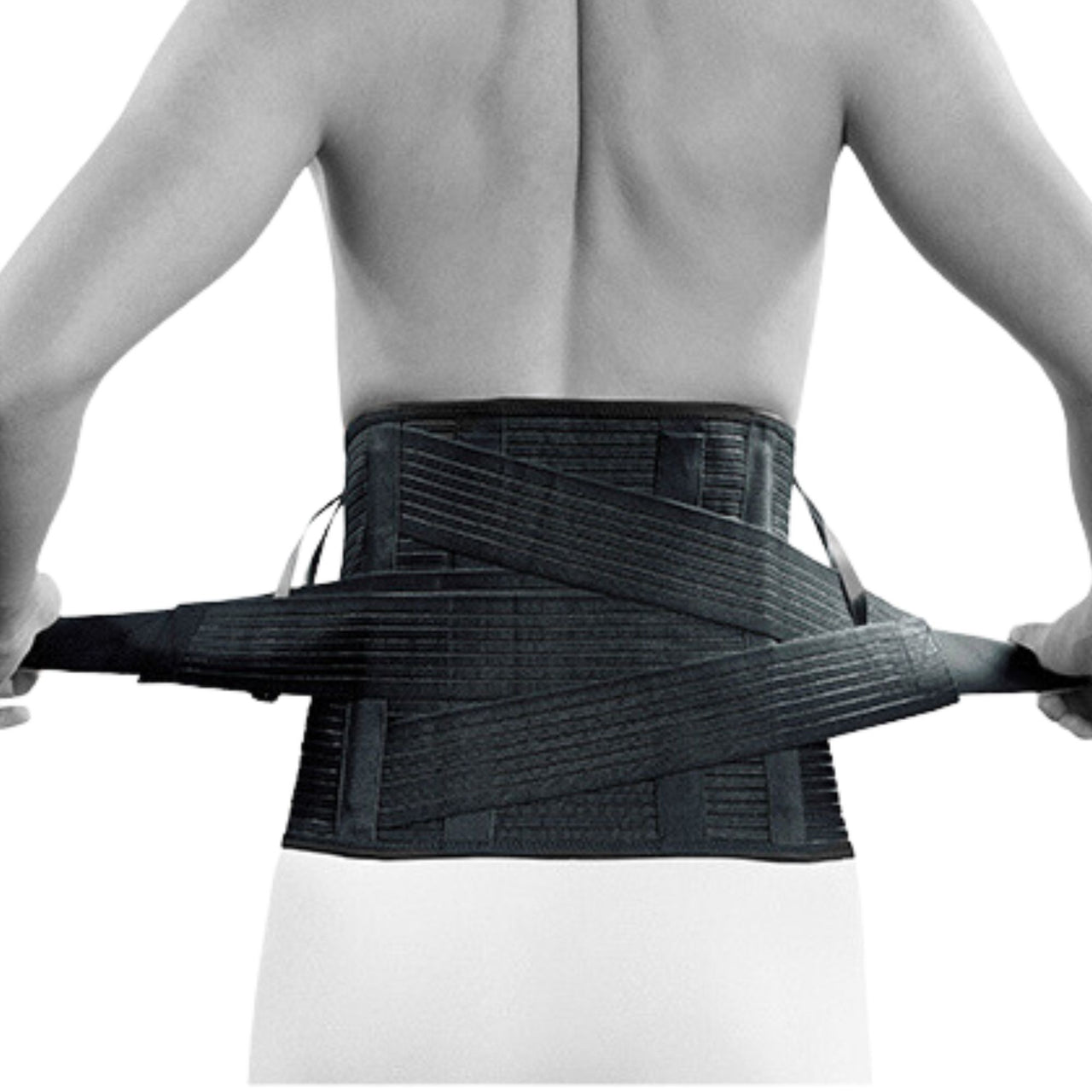
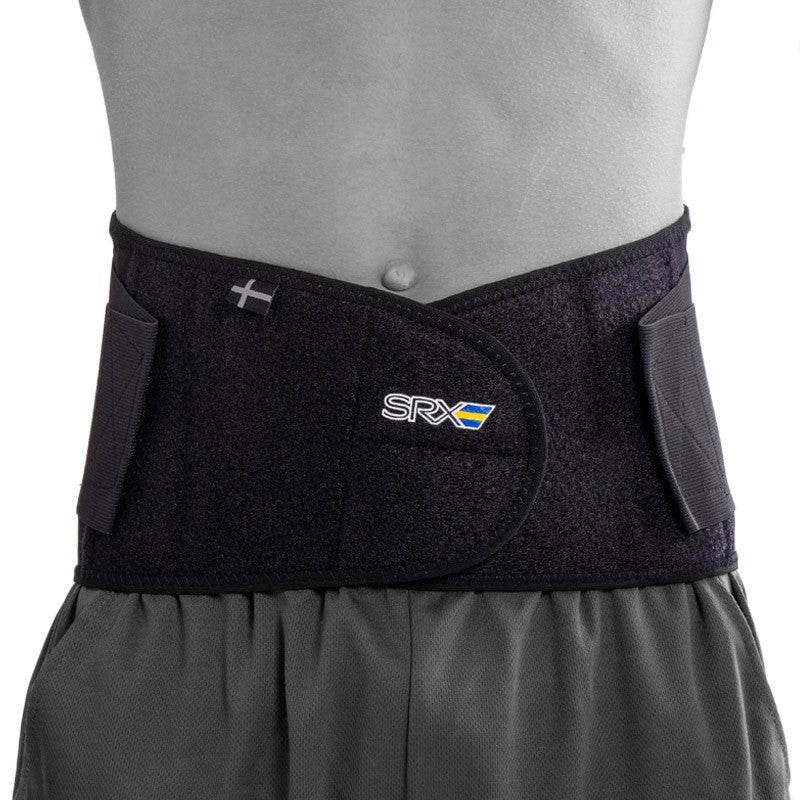
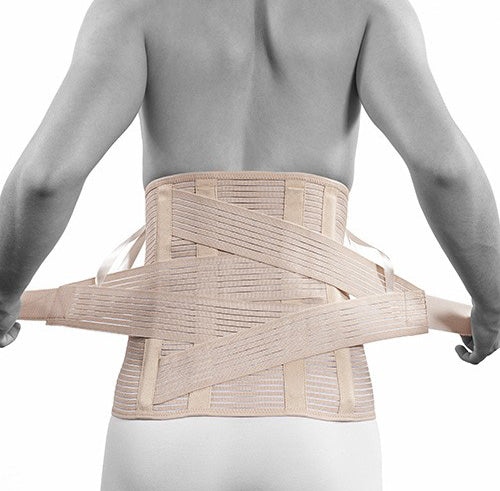
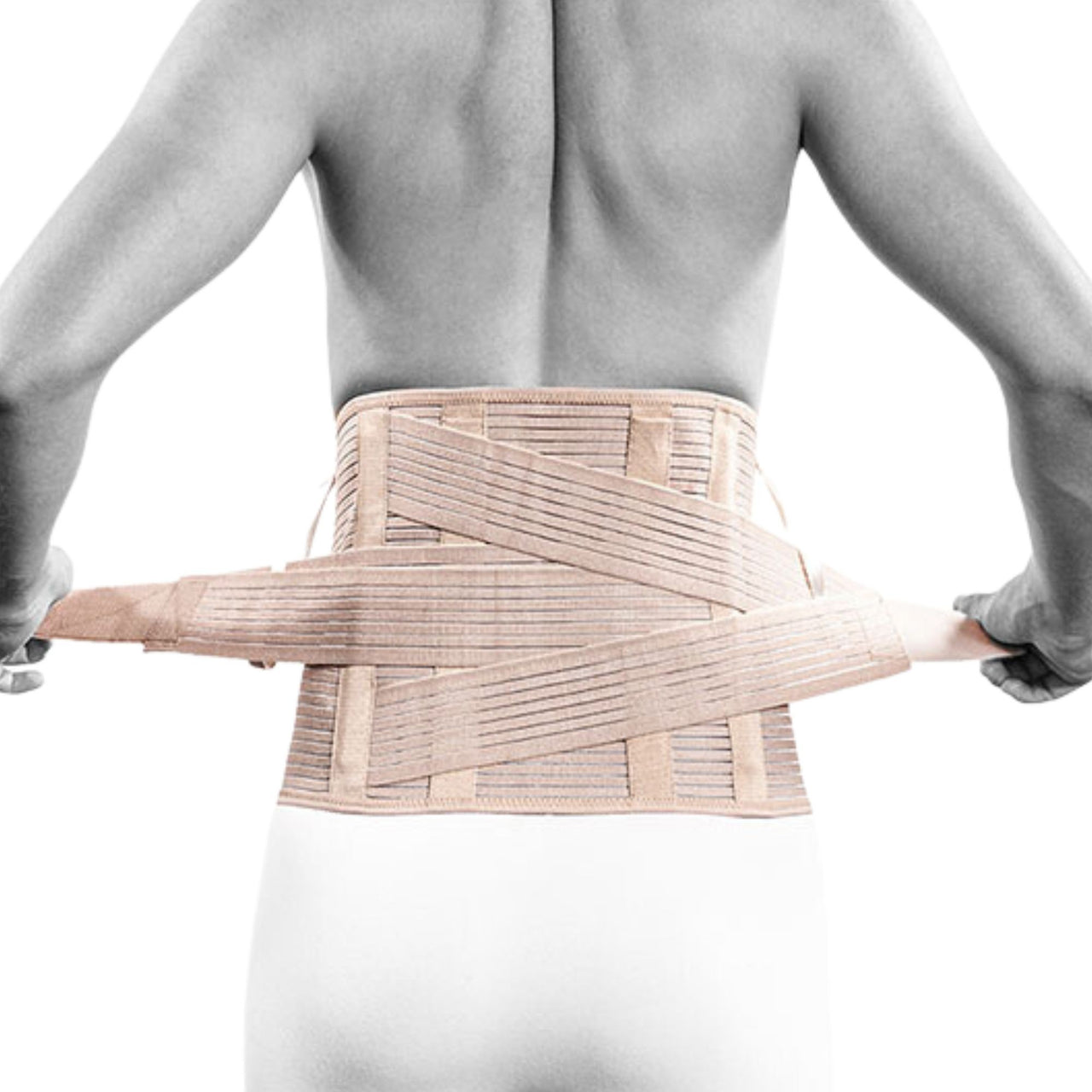
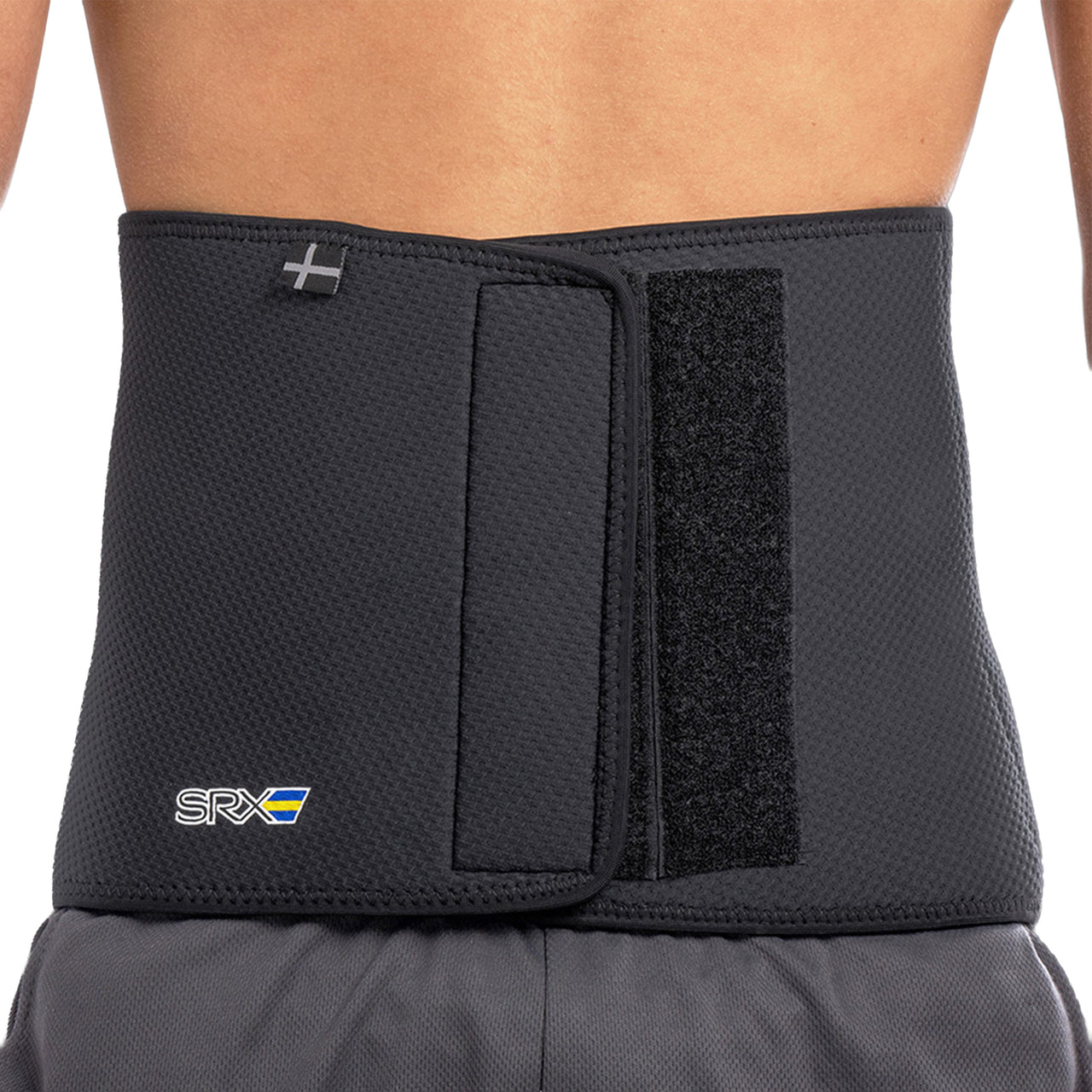
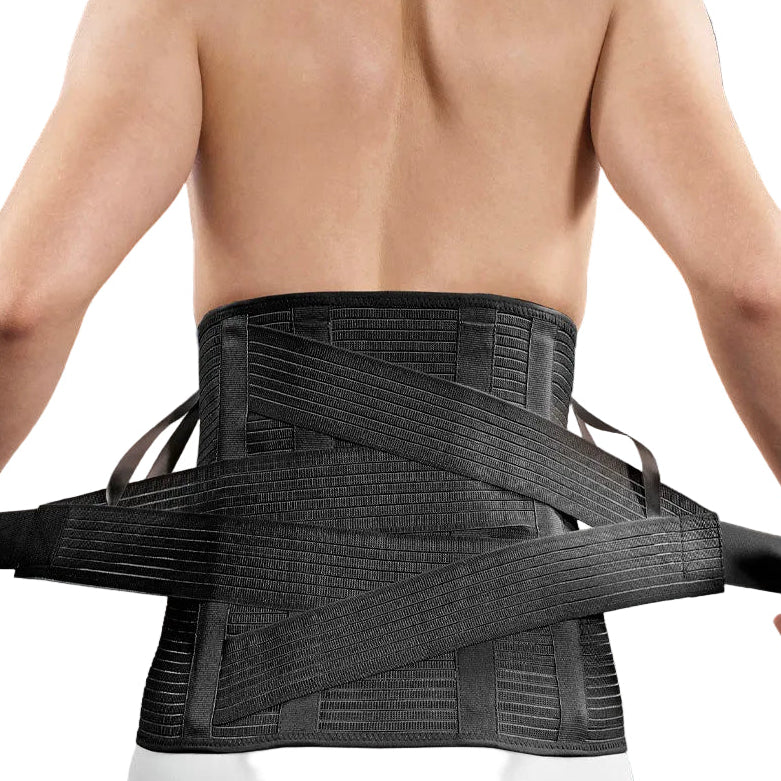
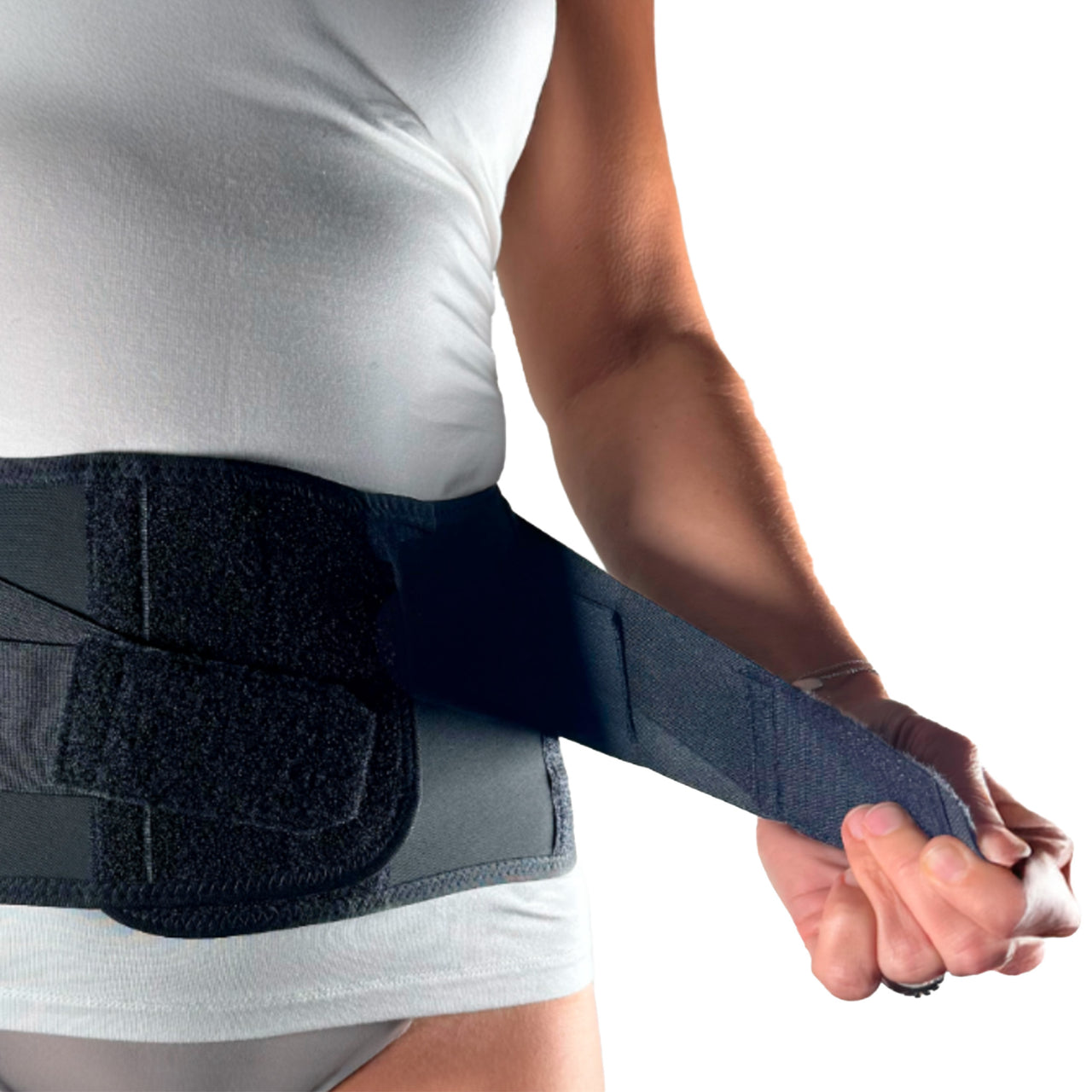
Et rygstøtte kan i nogle situationer bidrage til:
- Øget opfattet stabilitet
- Reduceret belastning under tungere bevægelser og minde dig om at holde ryggen lige
- Øget tryghed ved tilbagevenden til aktivitet
Det er dog vigtigt ikke at blive afhængig af støtten. Langsigtet forbedring sker ved at styrke musklerne og forbedre bevægelseskontrol.
Resumé
Ved de fleste rygproblemer er bevægelse bedre end total hvile. Nøglen er at justere belastningen, vælge den rigtige type aktivitet og gradvist opbygge styrke og kontrol. At undgå bevægelse helt kan på lang sigt gøre ryggen mere følsom, mens kontrolleret træning ofte er en del af løsningen.
Har du brug for ekstra støtte undervejs?
Se vores udvalg af rygstøtter, der kan bidrage til aflastning og stabilitet under aktivitet
Vil du forstå mere om symptomer, årsager, behandling og hvornår det kan være klogt at søge hjælp, anbefaler vi vores Skadeguide om rygproblemer.
Ønsker du derimod hjælp til at vælge det rigtige produkt til dine problemer, er du altid velkommen til at kontakte vores fysioterapeut for personlig rådgivning.