
Hælsmerter forbundet med hælsporer eller plantar fasciitis er et af de mest almindelige fodproblemer hos både aktive og stillesiddende personer. Smerten mærkes ofte mest intenst ved de første skridt om morgenen eller efter at have siddet stille i længere tid.Et af de mest almindelige spørgsmål er: Hvor længe vil dette vare?Svaret afhænger af flere faktorer – men i de fleste tilfælde forbedres symptomerne med de rette foranstaltninger og tålmodighed.
Hvis du vil læse mere om symptomer og underliggende årsager, anbefaler vi vores Skadeguide om hælsporre.
Hvor længe varer hælsporre normalt?
For de fleste tager det mellem tre og tolv måneder, før deres symptomer viser tydelig forbedring. Det kan lyde som lang tid, men det er vigtigt at forstå, at det sjældent er en akut betændelse. Ofte er det i stedet en overbelastningsskade ved tilhæftningen af plantar fascia under hælen, hvor vævet har brug for tid og korrekt belastning for at komme sig.
Mange oplever:
- Tydelig morgen smerte de første par måneder
- Gradvis reduktion i smertens intensitet over tid
- Perioder med forbedring efterfulgt af midlertidige tilbageslag
Dette betyder ikke, at der er noget ”forkert” – men snarere at vævet tilpasser sig gradvist.
Hvad påvirker hvor hurtigt det går over?
Hvor længe du har haft smerte, før du handler
Jo tidligere du justerer belastningen, desto bedre prognose.
Din aktivitetsniveau
Løb, lange gåture på hårde overflader og stående arbejde kan forlænge symptomerne, hvis aktiviteten ikke justeres.
Skovalg
Sko uden støtte eller med tynde såler kan øge belastningen på hælen. Mere stabile sko med god dæmpning reducerer trykket.
Mobilitet i lægmusklerne
Stramme lægmuskler øger spændingen ved tilhæftningen af plantar fascia.
Kropsvægt og belastningsmønstre
Øget belastning på foden påvirker restitutionstiden.
Hvad kan fremskynde forbedringen?
Der er sjældent en enkelt løsning. Ofte er det kombinationen, der giver resultater.
Aflastning
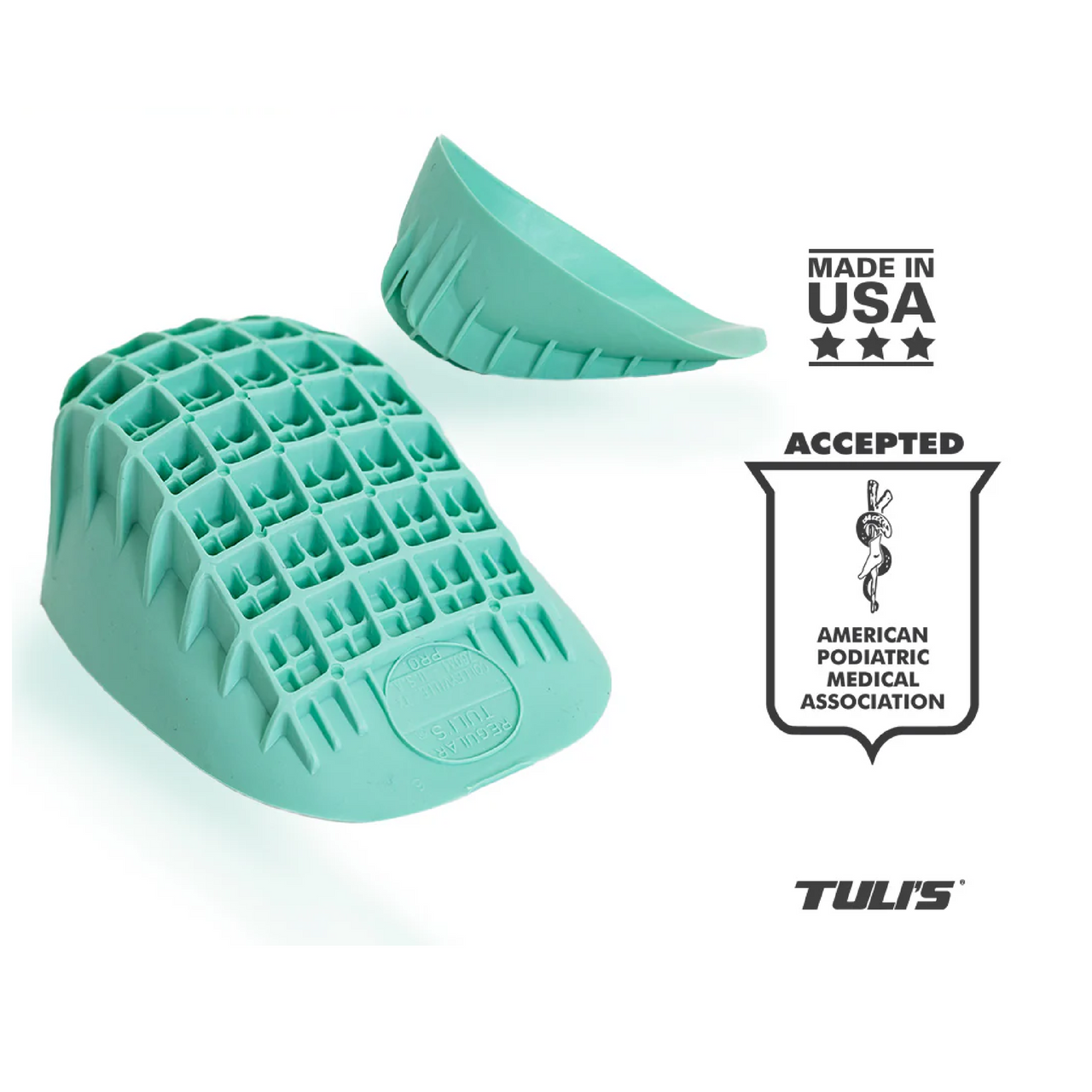
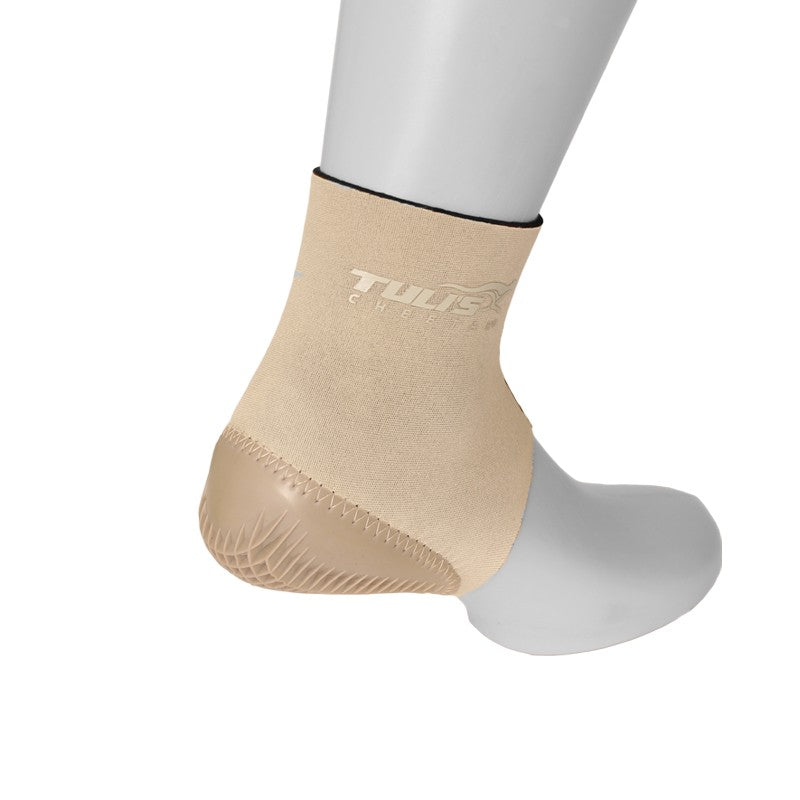
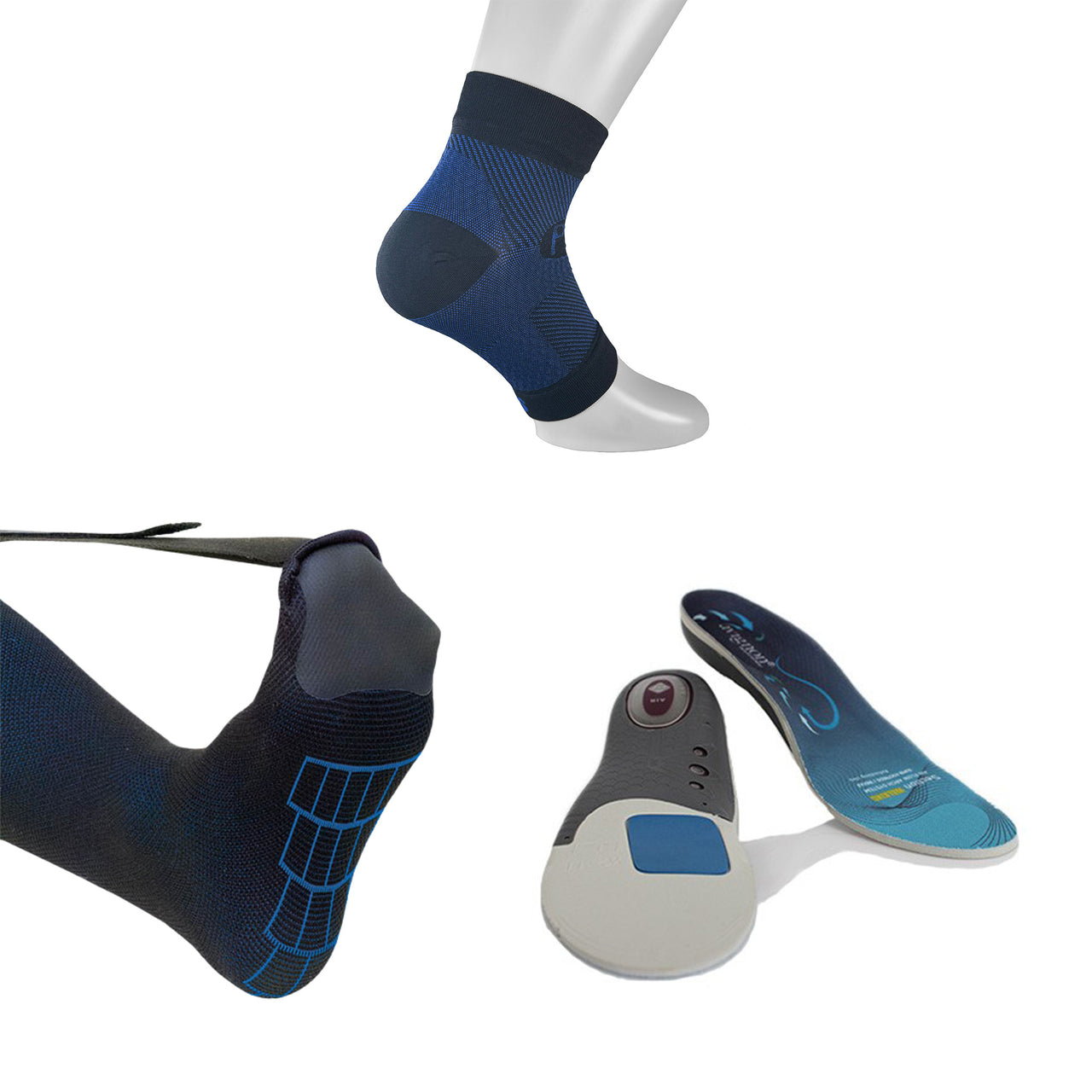
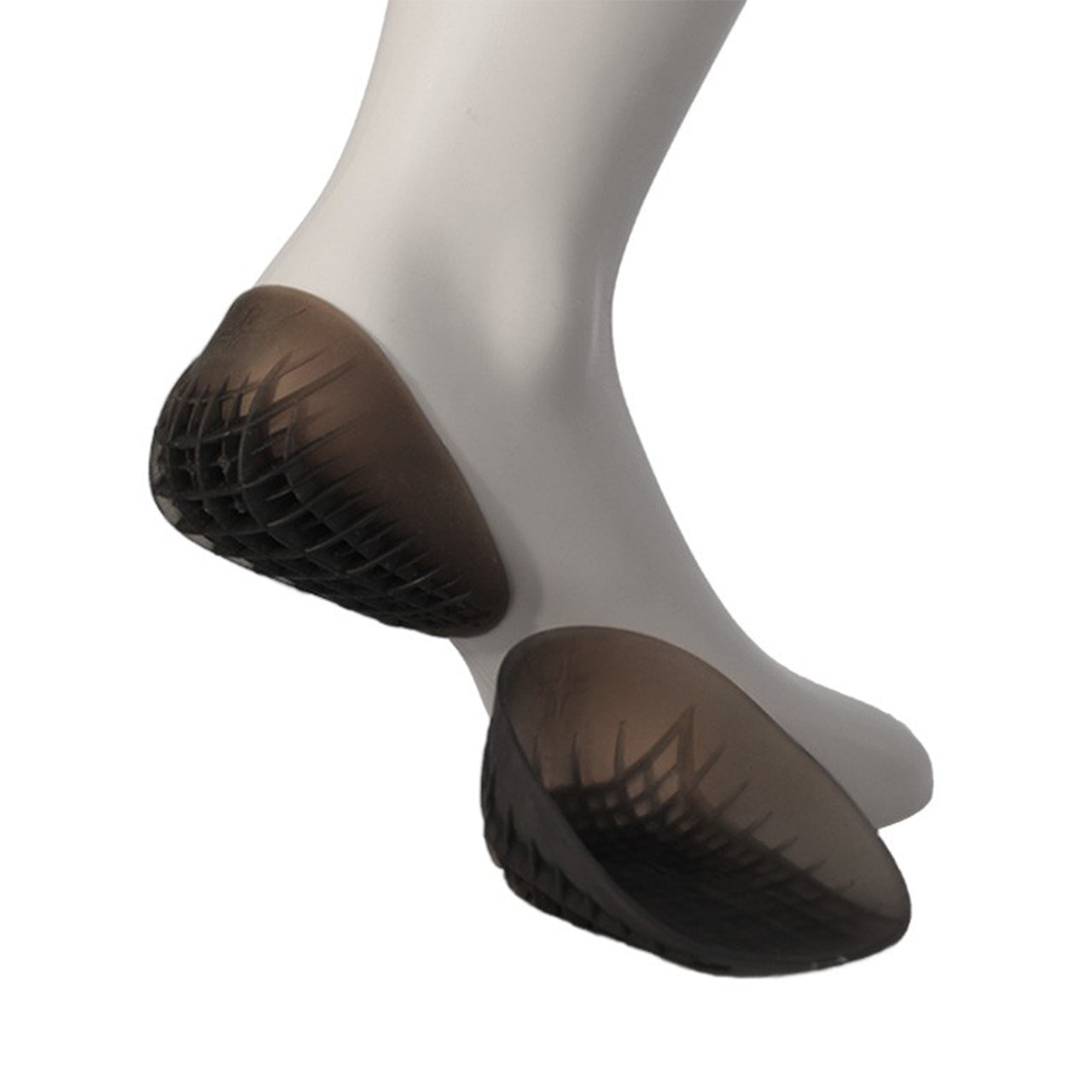
Indlægssåler med svangstøtte kan reducere spændingen i plantar fascia og fordele trykket mere jævnt over foden. Stødabsorberende hælkopper reducerer belastningen på hælen.
Tilpasset aktivitet
Du behøver sjældent at stoppe helt med at bevæge dig, men belastningen bør justeres. Cykling og styrketræning uden hop fungerer ofte bedre end løb i en periode.
Stræk og mobilitet
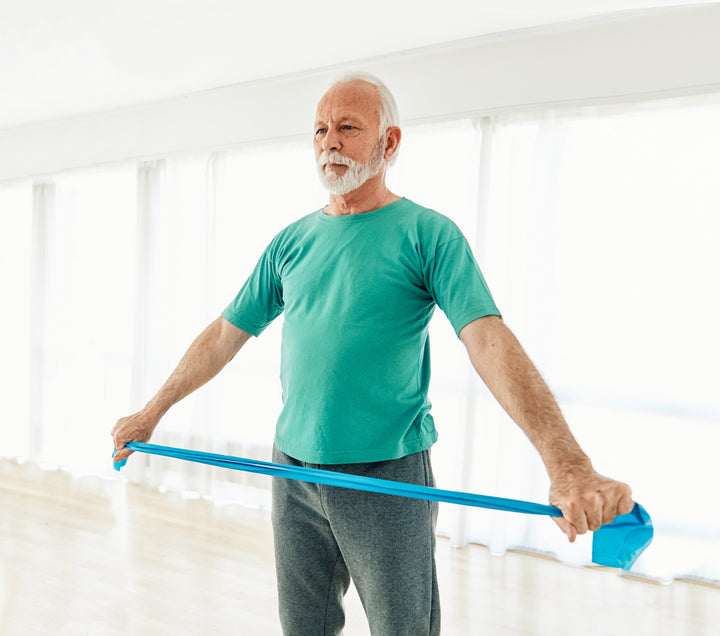
Regelmæssige mobilitetsøvelser for læg og fod kan reducere spændingen mod hælen.
Gradvis progression
Når smerten mindskes, er det vigtigt at øge belastningen gradvist – ikke at gå direkte tilbage til fuld aktivitet.
Er det normalt, at det gør ondt i lang tid?
Ja. Hælsmerter fra en hælspur er ofte langvarige. Det vigtige er ikke, at smerten forsvinder med det samme, men at den gradvist mindskes over tid, og at du ser en forbedring i funktionen, for eksempel at:
- Morgens stivhed bliver kortere
- Du kan gå længere, før smerten øges
- Restitutionen efter anstrengelse går hurtigere
Men hvis symptomerne forværres eller ikke ændrer sig over flere måneder, kan det være en god idé at kontakte din sundhedsudbyder eller en fysioterapeut for en grundig undersøgelse og vurdering.
Resumé
Hælsporre går normalt over – men det tager tid. Forbedringen sker ofte gradvist over flere måneder og påvirkes af, hvordan du belaster din fod, de sko du bruger, og om du kombinerer aflastning med træning. Tålmodighed, tilpasning og den rette støtte er ofte nøglen.
Vil du reducere belastningen på din hæl?
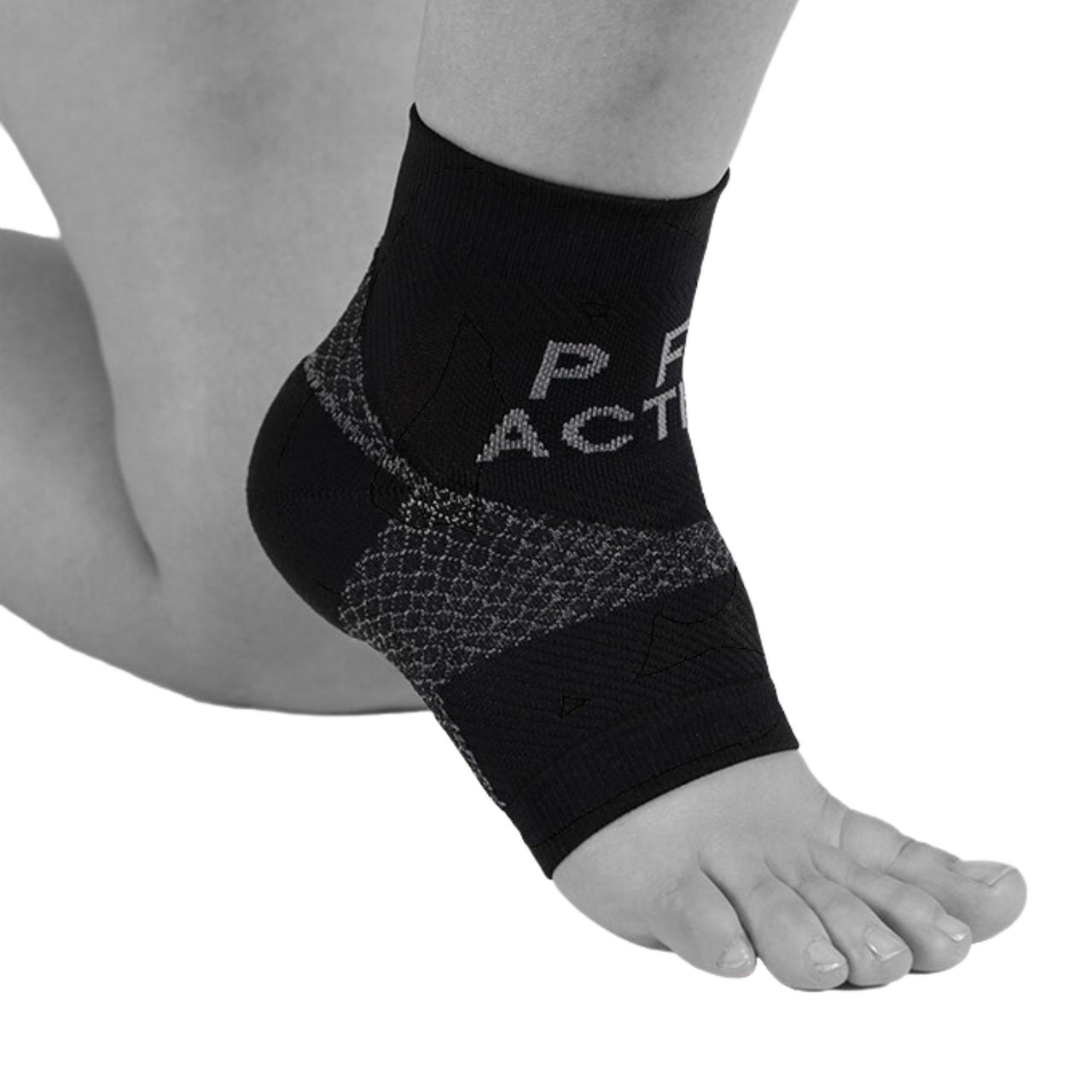
Se vores produkter, der kan hjælpe med hælspur/plantar fasciitis
Hvis du vil forstå mere om symptomer, årsager, behandling og hvornår det kan være klogt at søge hjælp, anbefaler vi vores Skadeguide om hælsporre.
Hvis du foretrækker hjælp til at vælge det rigtige produkt til dine specifikke symptomer, er du altid velkommen til at kontakte vores fysioterapeut for personlig rådgivning.