
Lændesmerter kan komme pludseligt eller gradvist og påvirke både arbejde, træning og hverdag. Uanset om det skyldes stillesiddende livsstil, stress eller en usædvanlig bevægelse, er der ofte enkle ting, du selv kan gøre for at lindre smerten og hjælpe din ryg tilbage i bevægelse.
I dette indlæg deler vores fysioterapeut Ida praktiske hverdagstips, skånsomme øvelser og hjælpemidler som kan give støtte, når din ryg føles stiv, spændt eller øm.
Vil du læse mere om symptomer og underliggende årsager, anbefaler vi vores skadeguide om lænderygssmerter.
Små justeringer i hverdagen, der gør en stor forskel
Mange rygproblemer hænger sammen med, hvordan vi belaster kroppen i hverdagen. Ved at blive mere opmærksom på holdning og variation kan du mindske unødig belastning.
-
Sit korrekt – sørg for at sidde med en naturlig svank i lænden og fødderne på gulvet.
-
Variér din arbejdsstilling – undgå at sidde stille i lange perioder. Rejs dig op regelmæssigt, skift mellem at sidde og stå. Hvis dit arbejde indebærer en fremadbøjet stilling i lange perioder, så tag regelmæssige pauser, hvor du bøjer ryggen bagud fem til seks gange.
-
Lyft korrekt – Bøj knæene, hold ryggen lige, og løft med benene – ikke med ryggen. Hold genstanden, du løfter, tæt på kroppen og undgå at dreje ryggen. Brug løftehjælpemidler ved tunge eller gentagne løft.
-
Undgå tunge løft om morgenen – diskene i ryggen er mere følsomme over for belastning de første 4–5 timer efter, du er steget op. Undgå derfor tunge løft og langvarig fremadbøjning af ryggen i de første timer af arbejdsdagen.
Hold din ryg i bevægelse
Regelmæssig motion er afgørende for en stærk og smidig ryg. Du behøver ikke træne hårdt – det vigtigste er at bevæge dig ofte.
-
Gåture, let styrketræning og mobilitetsøvelser hjælper med at holde muskler og led smidige.
-
Undgå at være helt stille, selvom du har ondt – tilpasset bevægelse er ofte bedre end hvile.
Tre skånsomme øvelser for en mere smidig ryg
Disse øvelser er tænkt som bløde bevægelser for at øge cirkulationen og reducere stivhed i lænden. De skal føles behagelige – ikke provokere smerte.
-
Lændepres mod underlaget: Lig på ryggen med bøjede ben. Spænd maven let og pres lænden blidt mod underlaget. Slap af og gentag 10 gange.
-
Knæ til siden: Lig på ryggen med bøjede ben. Lad langsomt knæene falde til den ene side, mens du holder overkroppen stabil. Gå langsomt tilbage til startpositionen og gentag bevægelsen til den anden side. Gentag 10 gange på hver side.
-
Bækkenløft: Lig på ryggen med bøjede knæ og fødderne på gulvet. Løft dine hofter, indtil din krop danner en lige linje fra skuldrene til knæene. Hold i 5 sekunder og sænk langsomt. Gentag 10 gange.
Hvis nogen øvelse føles ubehagelig – stop eller reducer bevægelsen. Hvis du er usikker på, hvilke øvelser der er rigtige for dig, kan du læse mere i skadeguiden eller kontakte vores fysioterapeut.
Fysioterapeutens produktanbefalinger – 6 produkter til lændesmerter
-
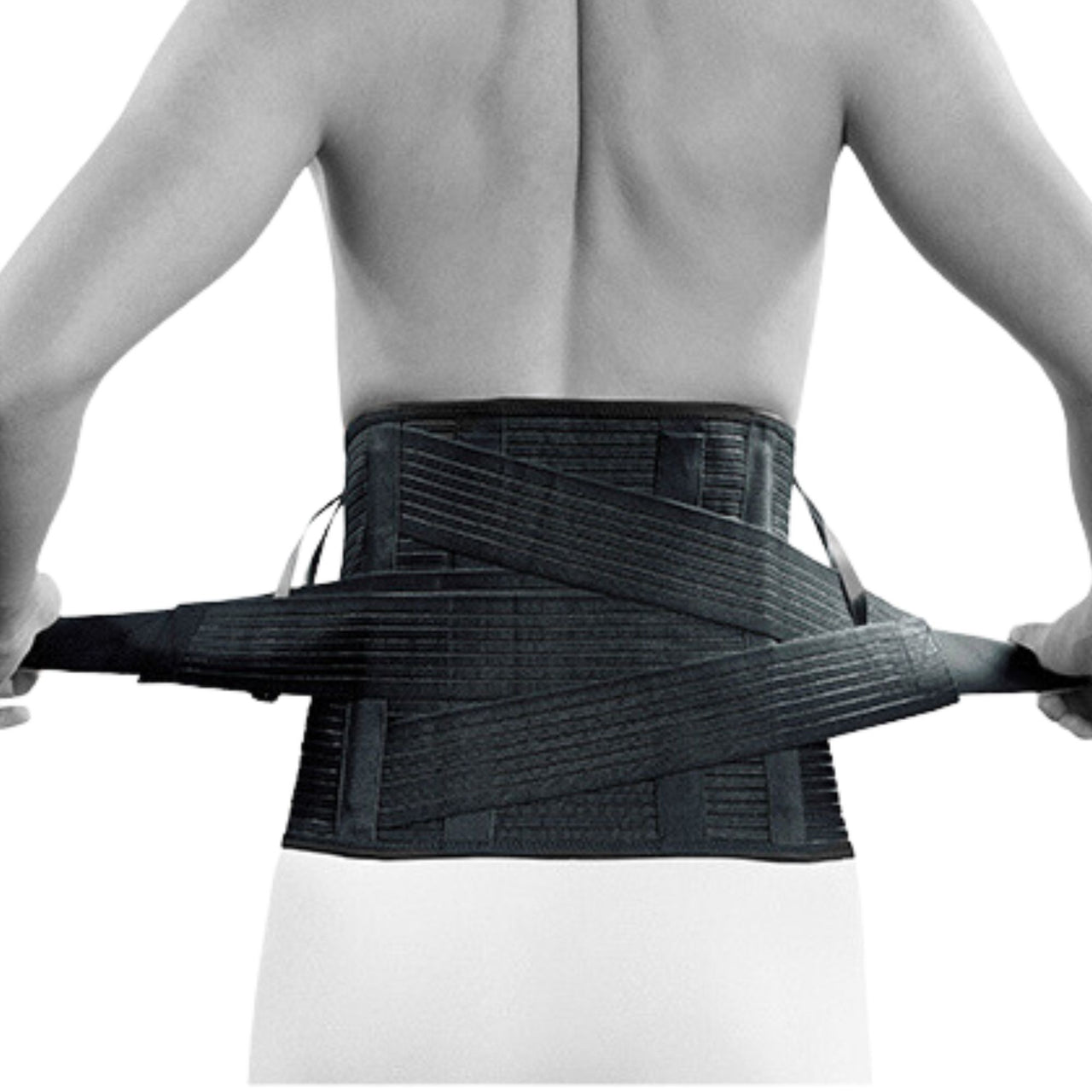
Det universelle rygstøtte er et rygbælte i universel størrelse med varmeegenskaber og justerbart støtte. Vi kalder det ofte "førstehjælp til lændesmerter" – godt at have derhjemme ved pludselige rygsmerter.
-
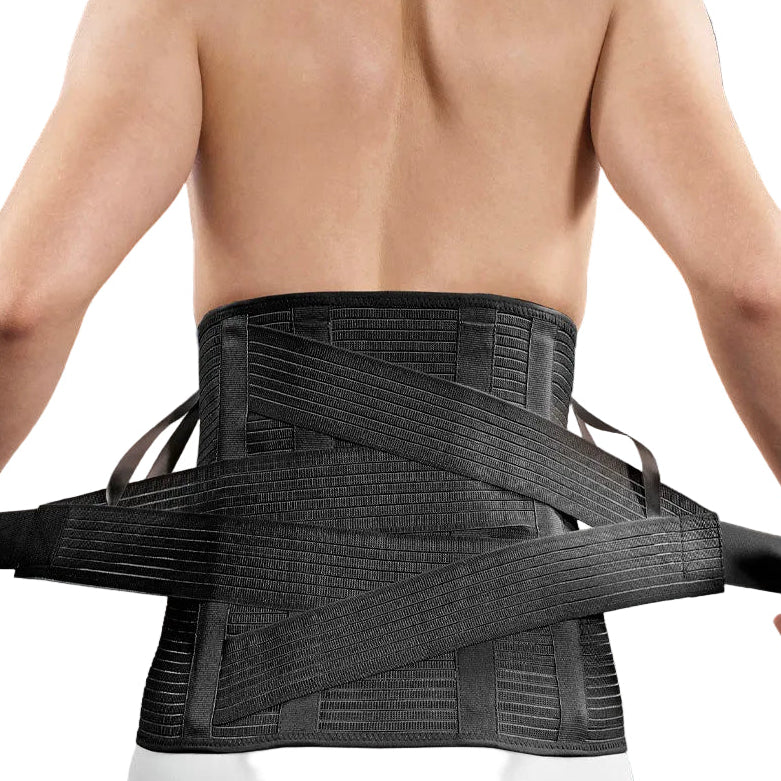
Rygstøtte med ekstra stabiliserende bånd er et mere robust støtte med skinner og er velegnet til dem, der har brug for ekstra støtte og aflastning. Den fås i flere farver og højder.
-
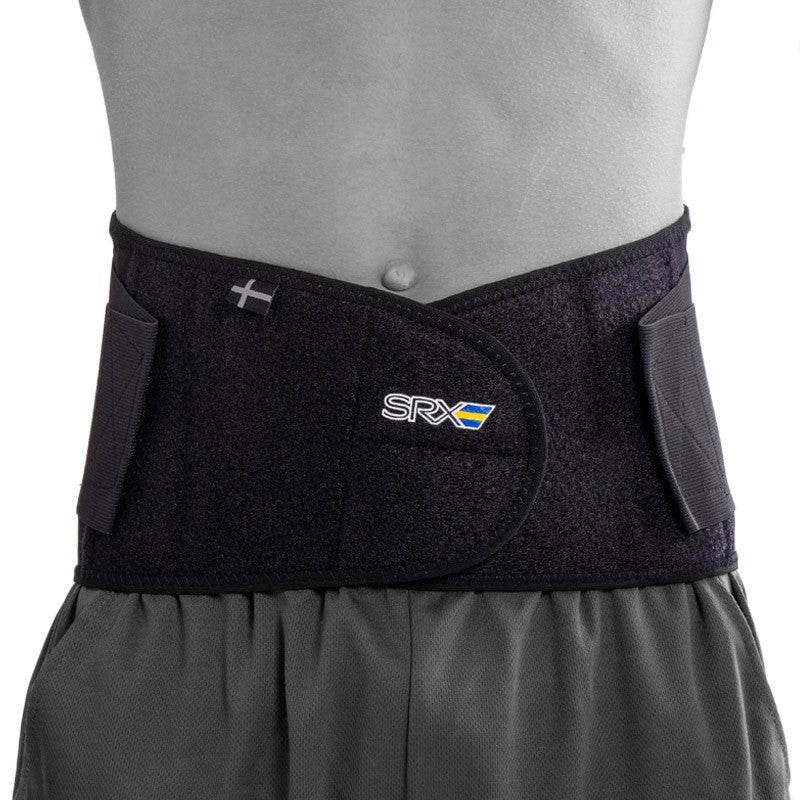
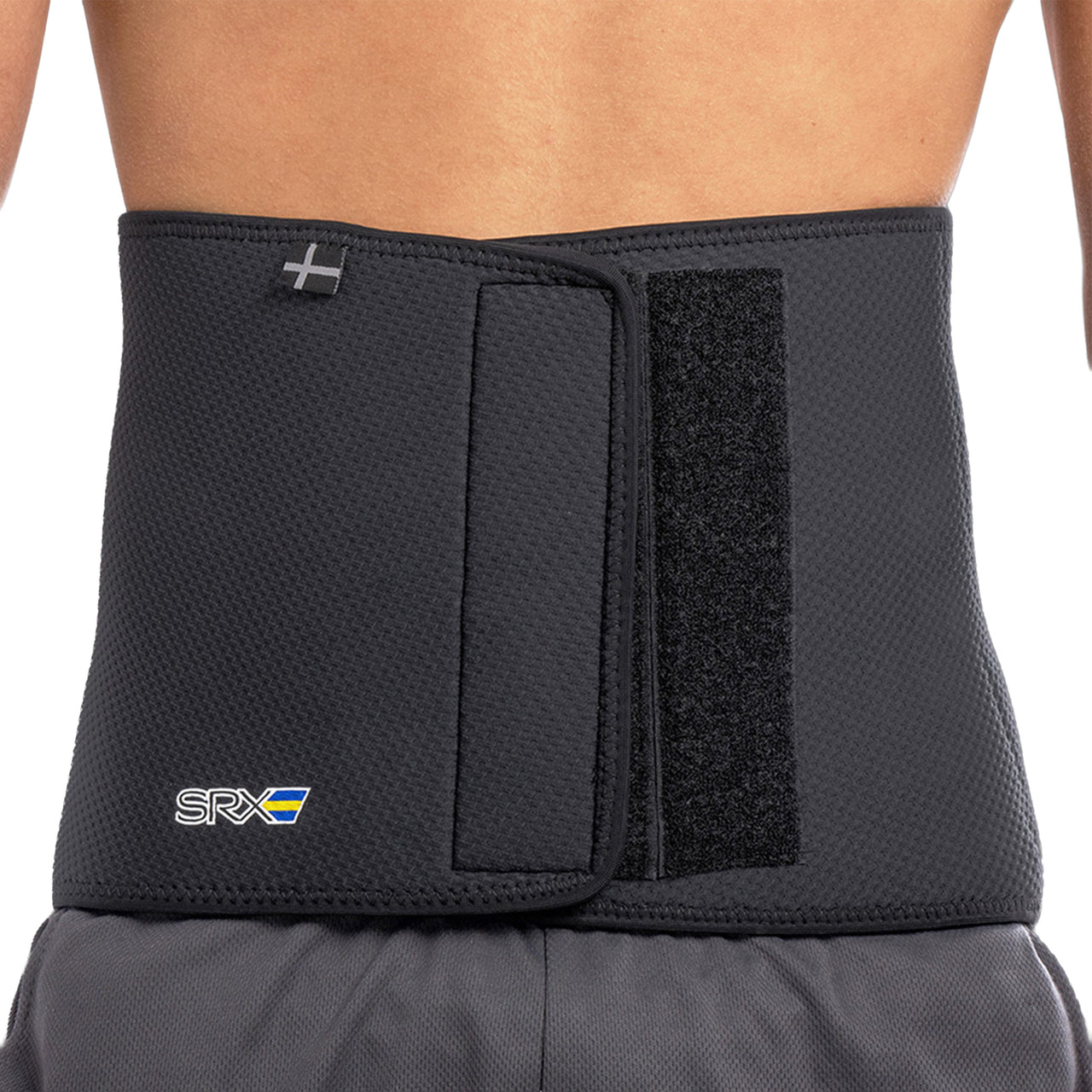
SRX rygstøtte er velegnet til dem, der ønsker varmestøtte under sport, som blødgør spændte rygmuskler, for eksempel på ski.
- Vores lavprofil rygstøtte optager lidt plads under tøjet og er også velegnet til brug, mens du sidder.
-
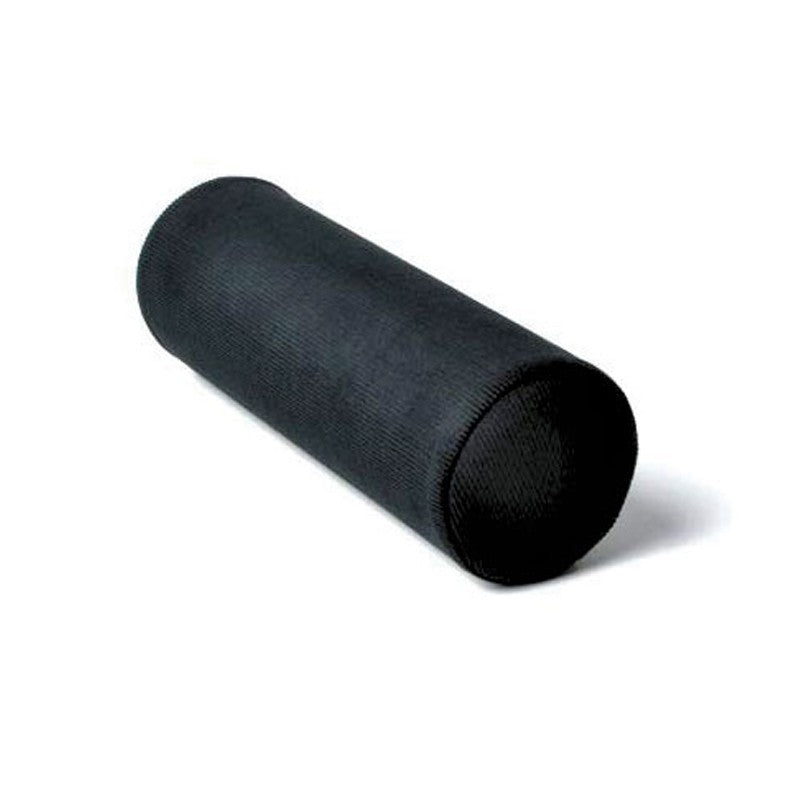
McKenzie mini roller er en lændepude, som du nemt kan tage med på rejser. Placer rullen på tværs af din lænd eller stil den på højkant langs din rygsøjle for støtte endnu højere oppe i ryggen.
-
Med vores Lacrosse Duo massagebold, kan du også nå de muskler, der er tættest på rygsøjlen. Placer bolden mellem din ryg og ryggen af en stol, når du sidder, eller mellem din ryg og en væg, når du står, for en mere dynamisk massage.
I vores sortiment finder du omhyggeligt udvalgte produkter, der kan fungere som et supplement til bevægelse og egenomsorg ved rygproblemer.
Resumé
Lændesmerter er almindelige og ofte midlertidige. Med små justeringer i hverdagen, regelmæssig bevægelse og enkle øvelser kan du hjælpe din krop på vej mod en mere smidig ryg. Hjælpemidler som rygstøtter kan give ekstra støtte, når det er nødvendigt – men bevægelse og variation er fundamentet.
Vil du forstå mere om årsager, symptomer og hvornår du skal søge lægehjælp? Læs mere i vores skadeguides om akutte lændesmerter og lændesmerter.
Vil du i stedet have hjælp til at vælge det rigtige produkt baseret på dine problemer, er du altid velkommen til at kontakte vores fysioterapeut for personlig rådgivning.