
Diskusprolaps i lænden – symptomer, årsager og støtte der lindrer
Diskusprolapser i lænden er relativt almindelige. Cirka 1–3% af den voksne befolkning vil opleve en symptomatisk diskusprolaps på et tidspunkt, oftest mellem 30–50 år. Samtidig er diskusforandringer almindelige selv hos personer uden symptomer, hvilket betyder, at ikke alle diskusprolapser giver symptomer. Her får du en klar oversigt over, hvad en diskusprolaps betyder, hvilke symptomer der er almindelige, hvornår du bør søge behandling, og hvad du selv kan gøre for at lindre symptomerne og støtte helingen.
Hvad er en diskusprolaps i lænden?
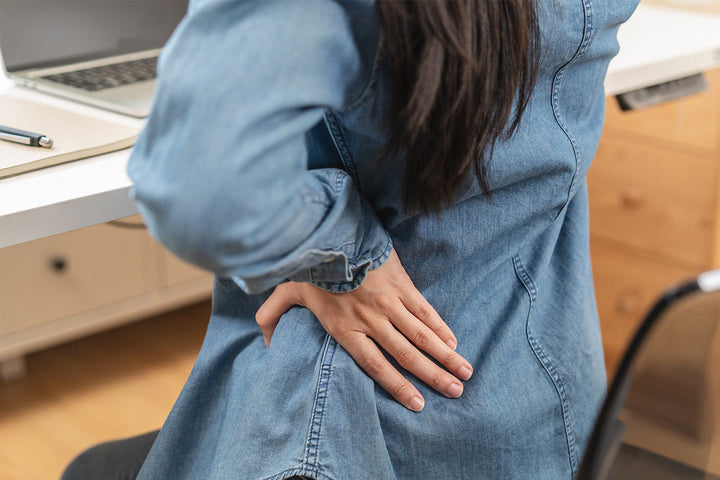
En diskusprolaps i lænden betyder, at en af diskene i ryggen buler eller brister og trykker mod en nerverod. Dette kan forårsage smerte i lænden, der stråler ned i benet, nogle gange helt ned til foden. Problemet kan opstå akut eller udvikle sig gradvist afhængigt af belastningen, alderen og diskens kvalitet. Mange oplever også stivhed, nedsat bevægelighed og en følelse af, at ryggen låser sig eller er svær at strække ud. Problemet forsvinder som regel af sig selv inden for et par uger.
Almindelige årsager & risikofaktorer
Diskusprolapser skyldes ofte gentagne bøjninger og vridninger, tunge løft eller statiske positioner, der belaster diskene. Langvarig siddende, mangel på bevægelse og svaghed i kernemusklerne kan bidrage. Aldersrelaterede forandringer gør diskene mindre elastiske og mere modtagelige for skader. Tidligere rygproblemer eller arvelige tendenser kan øge risikoen.
Symptomer
Almindelige symptomer inkluderer skarp eller brændende smerte i lænden, der stråler ned langs bagsiden eller ydersiden af benet, ofte kaldet iskias. Prikken, følelsesløshed eller nedsat kraft kan forekomme afhængigt af hvilken nerverod der er påvirket. Smerten øges ofte ved fremadbøjning, siddende eller hoste, og kan lindres lidt ved at gå og lave let motion.
Hvornår skal du søge lægehjælp?
Kontakt et sundhedscenter, hvis symptomerne ikke er blevet bedre efter tre til fire uger, eller hvis du har meget ondt trods indtagelse af smertestillende medicin.
Kontakt et sundhedscenter eller skadestue straks hvis du har rygsmerter og også nogle af følgende symptomer:
- svært ved at holde dig, når du skal tisse eller have afføring
- nedsat følelse i underlivet
Søg akut hjælp, hvis sundhedscentret eller skadestuen er lukket.
Anbefalet beskyttelse & støtte
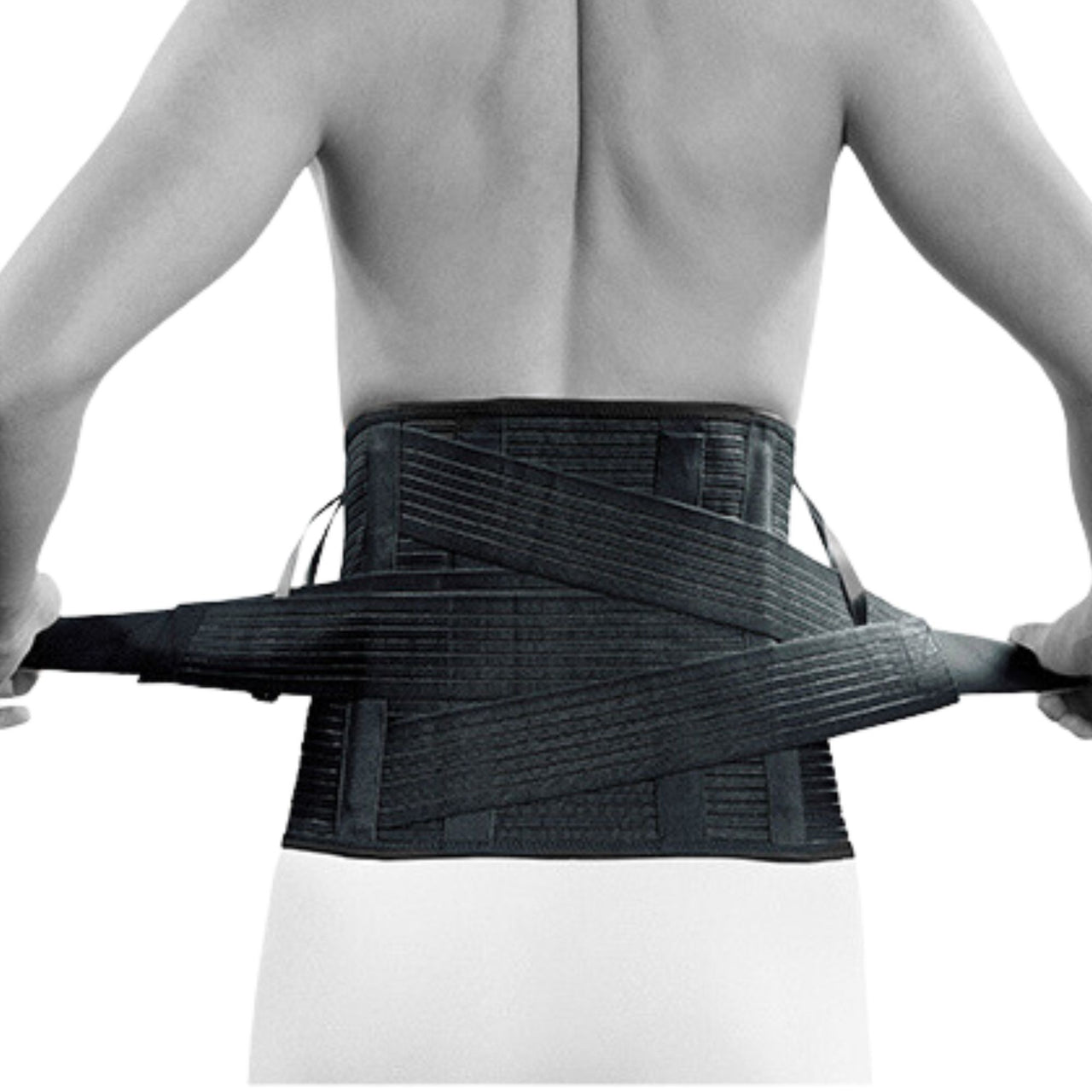
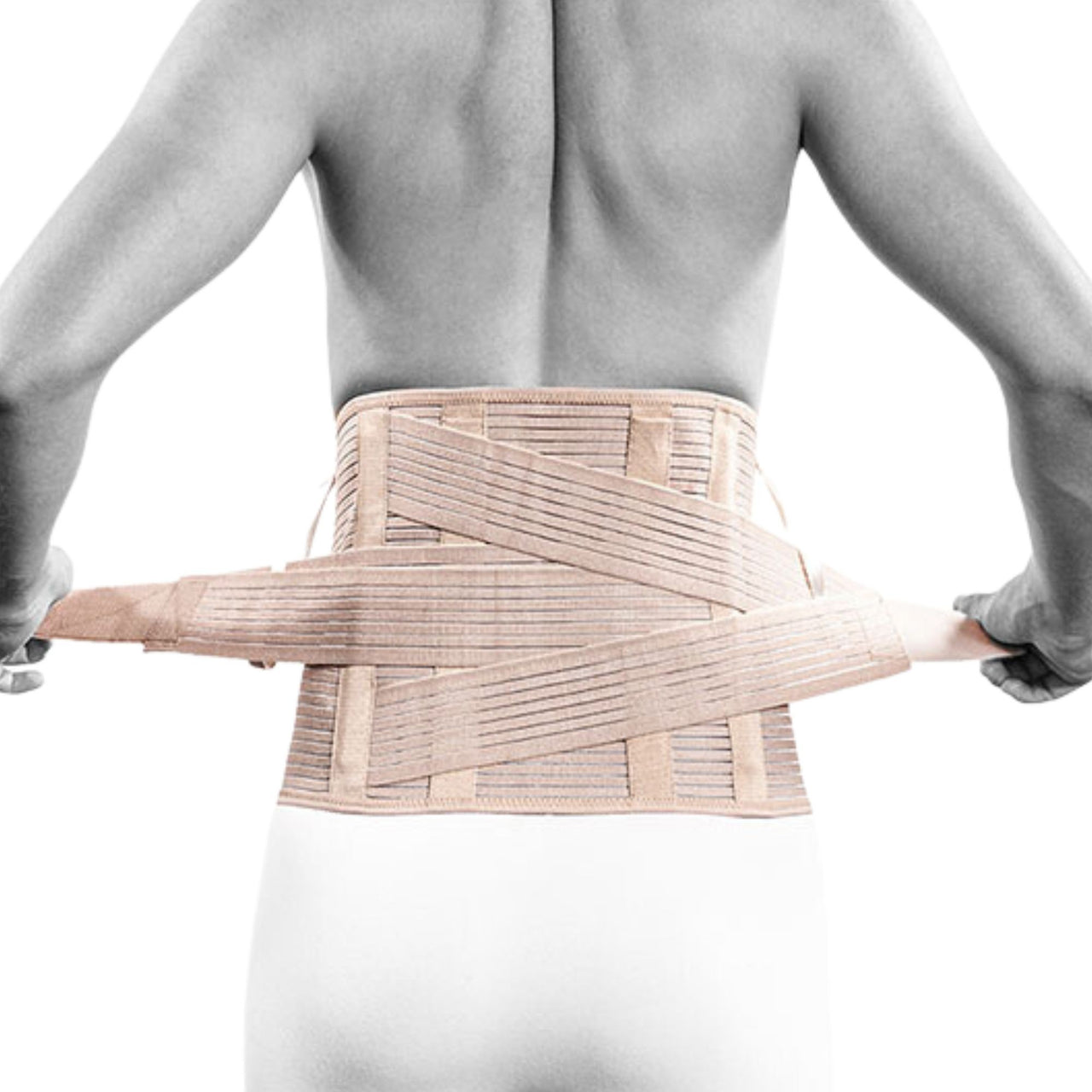
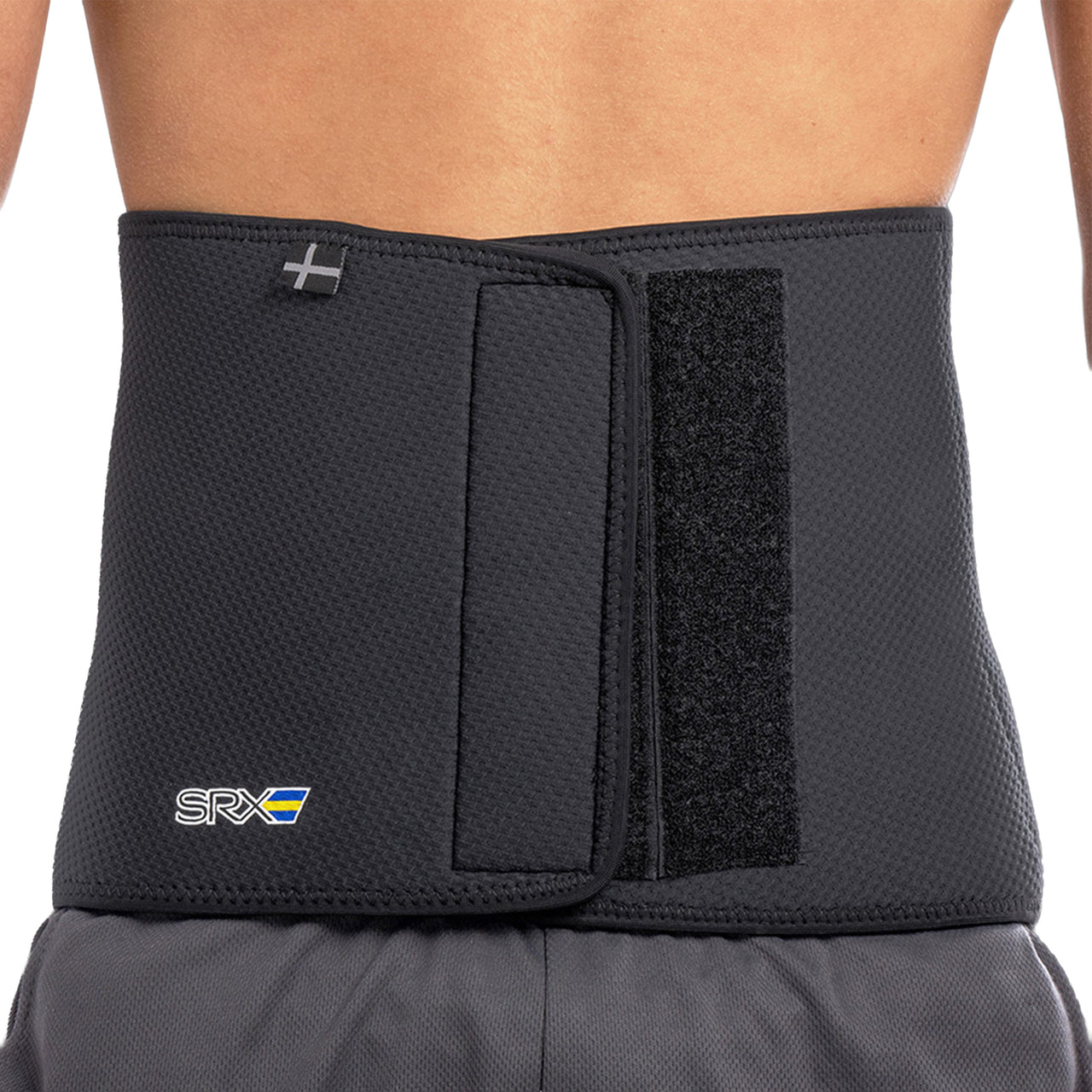
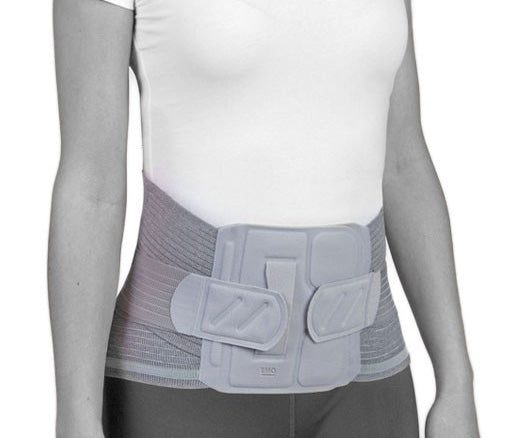
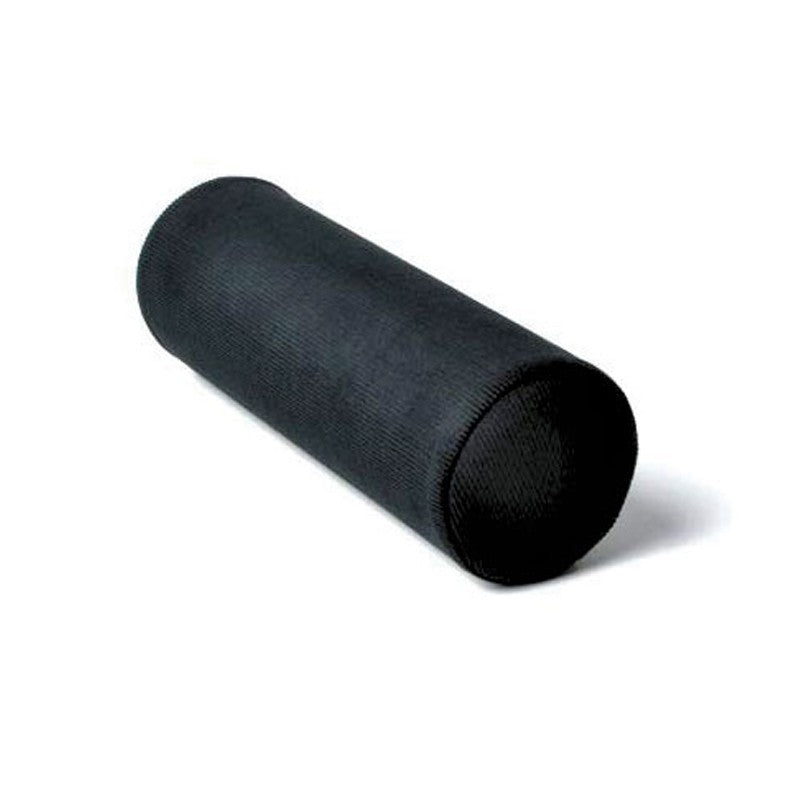
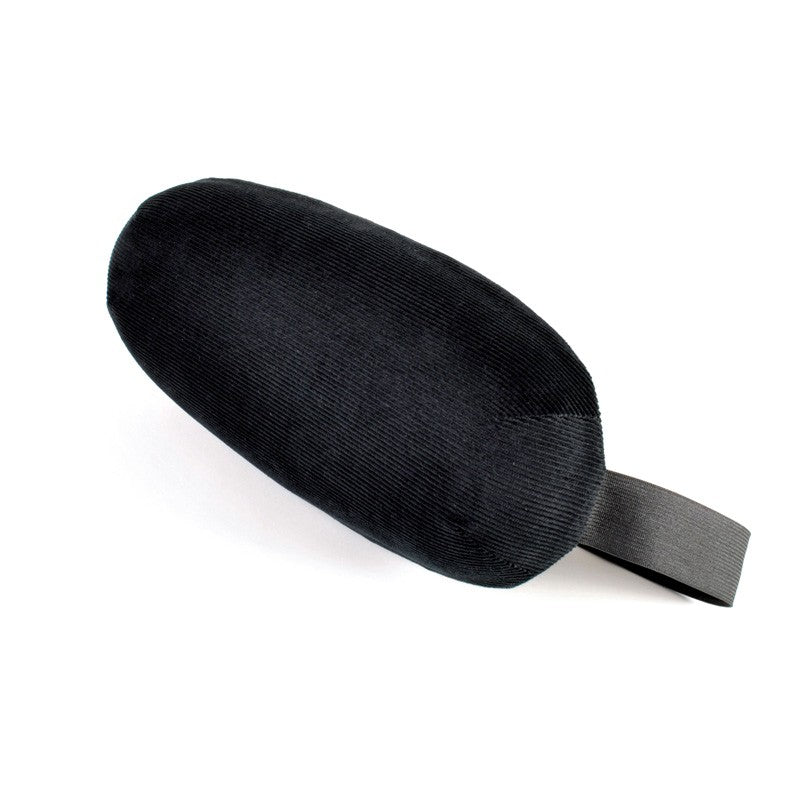
Varme kan lindre muskelspændinger, der ofte opstår i forbindelse med diskusprolapser. Et rygstøtte kan give lindring under daglige aktiviteter, og en svankpude kan hjælpe med at opretholde en neutral rygposition, når du sidder.
Se støtter, der kan hjælpe med at lindre trykket fra en diskusprolaps i lænden
Mobilitets- og styrketræning for kroppen og benene er vigtige dele af rehabiliteringen. Ergonomiske justeringer, såsom at variere arbejdsstillinger og undgå langvarig siddende, hjælper mange. At placere et par puder under benene kan gøre det lettere at ligge på ryggen. Selv at ligge på siden i fosterstilling kan lindre smerte.
Om Skadeguiden – hurtig vejledning ved problemer
Vores skadeguide giver klar og letforståelig information om almindelige skader, hvordan de opstår, og hvilke symptomer de typisk præsenterer. Du vil også modtage anbefalinger om, hvilken beskyttelse og hjælpemidler der kan lindre dit ubehag og hjælpe dig videre i din rehabilitering. Al information er baseret på ekspertviden fra vores autoriserede fysioterapeut.
For mere information om ryg- og lændesmerter kan du læse videre i vores skadeguide Lændesmerter. Du kan også gå til skadeguidens hovedside for at læse om andre skader og symptomer.
Relaterede skader:
Find den rigtige beskyttelse til dine behov
Der er flere måder at finde det rigtige produkt på vores hjemmeside. For et mere personligt udvalg kan du bruge vores filtre og sortere efter skade, kropsdel eller sport. Du kan også få hjælp fra vores AI-assistent Eir, som er trænet i alt indholdet på vores hjemmeside og kan hjælpe dig med produktanbefalinger, størrelsesspørgsmål og ordre-relaterede bekymringer – 24/7. Hvis du hellere vil tale direkte med vores autoriserede fysioterapeut Ida, kan du kontakte hende via e-mail eller telefon for personlig rådgivning og støtte i dit produktvalg.