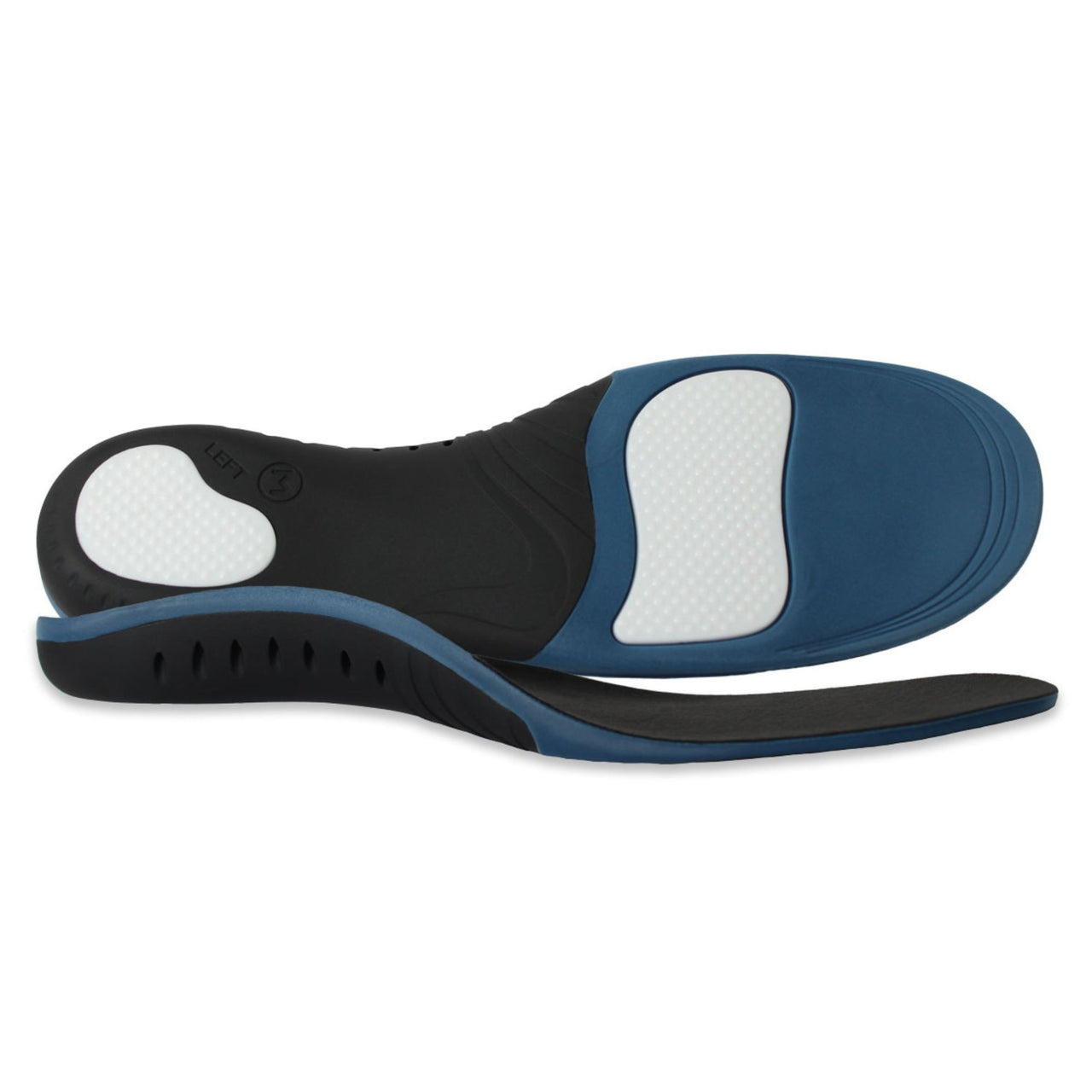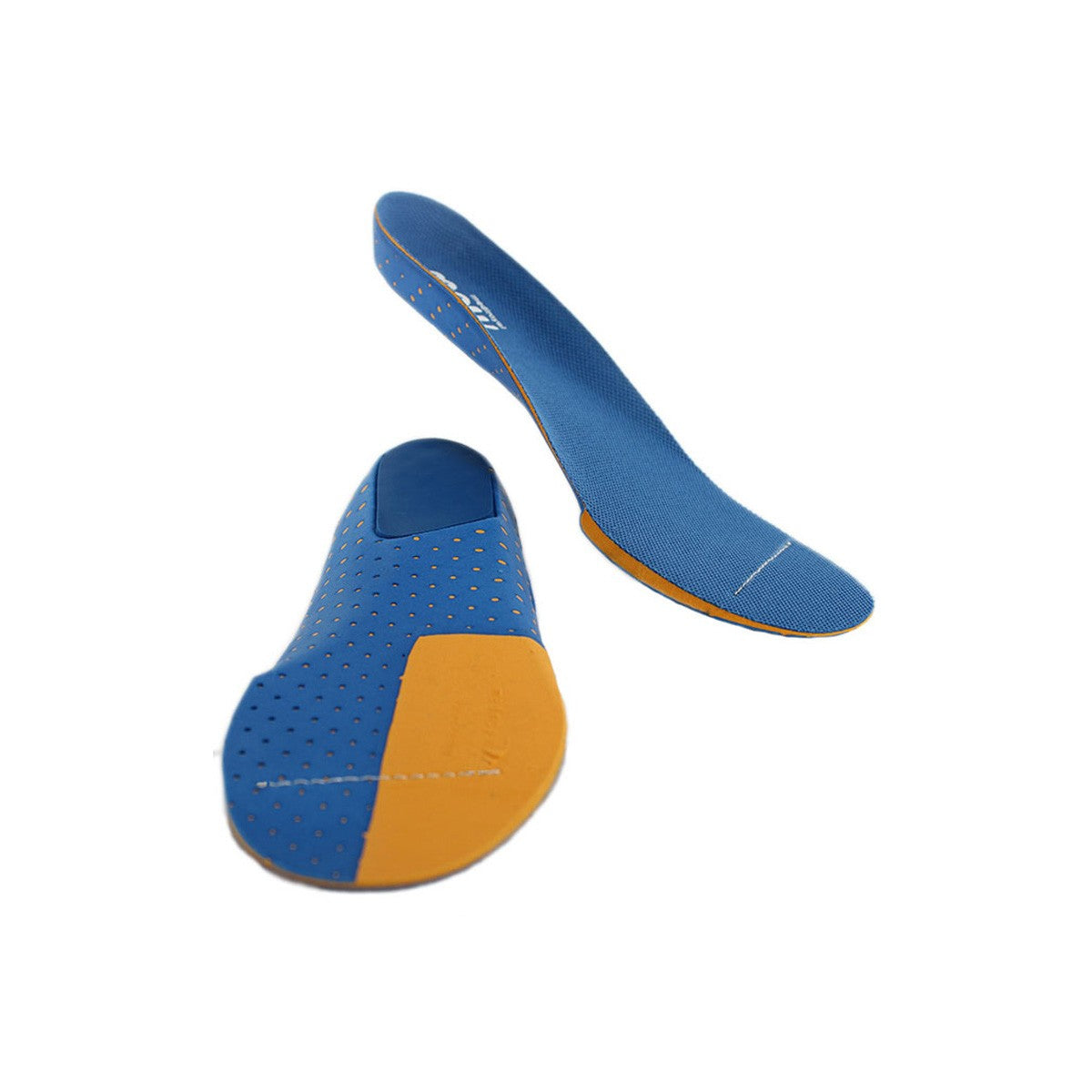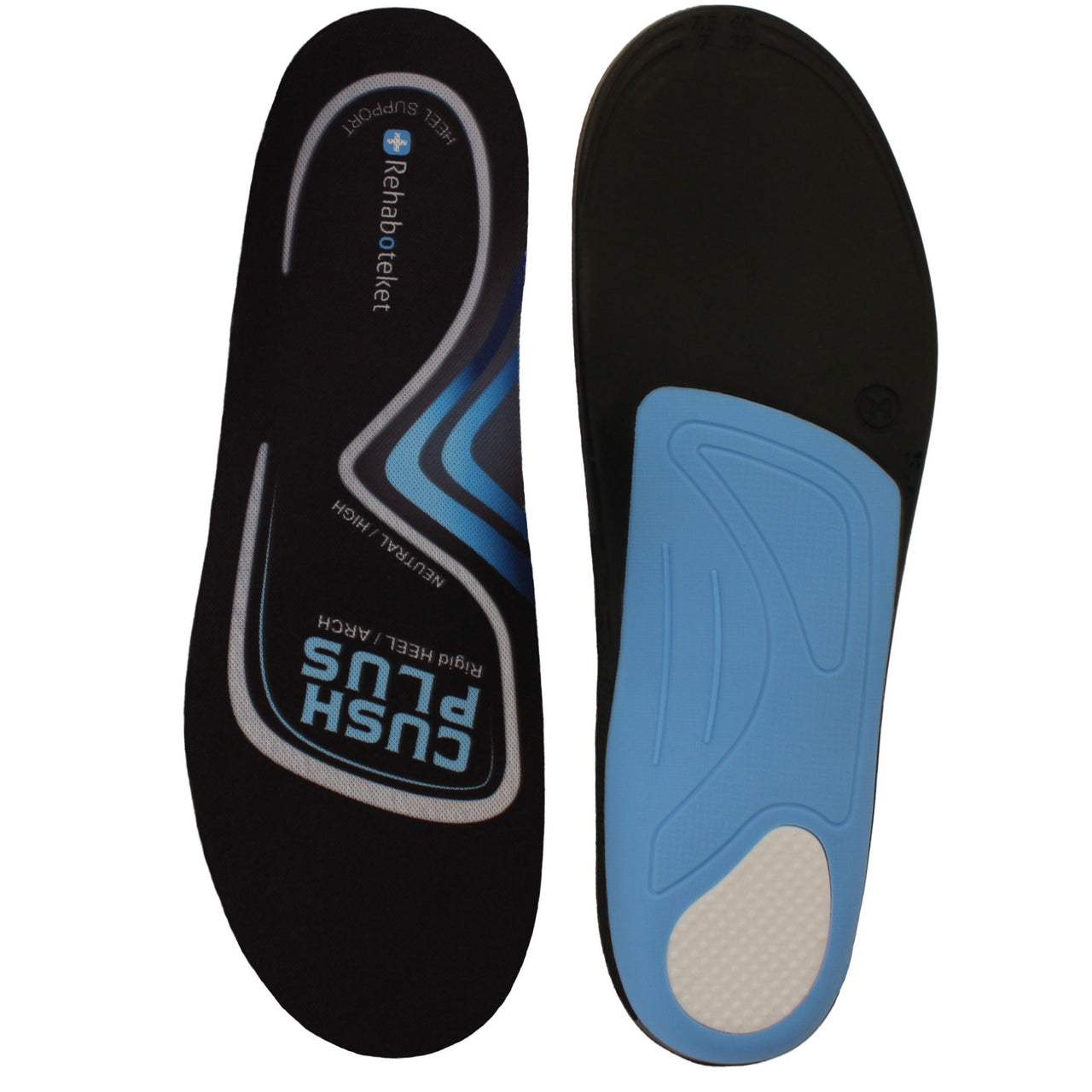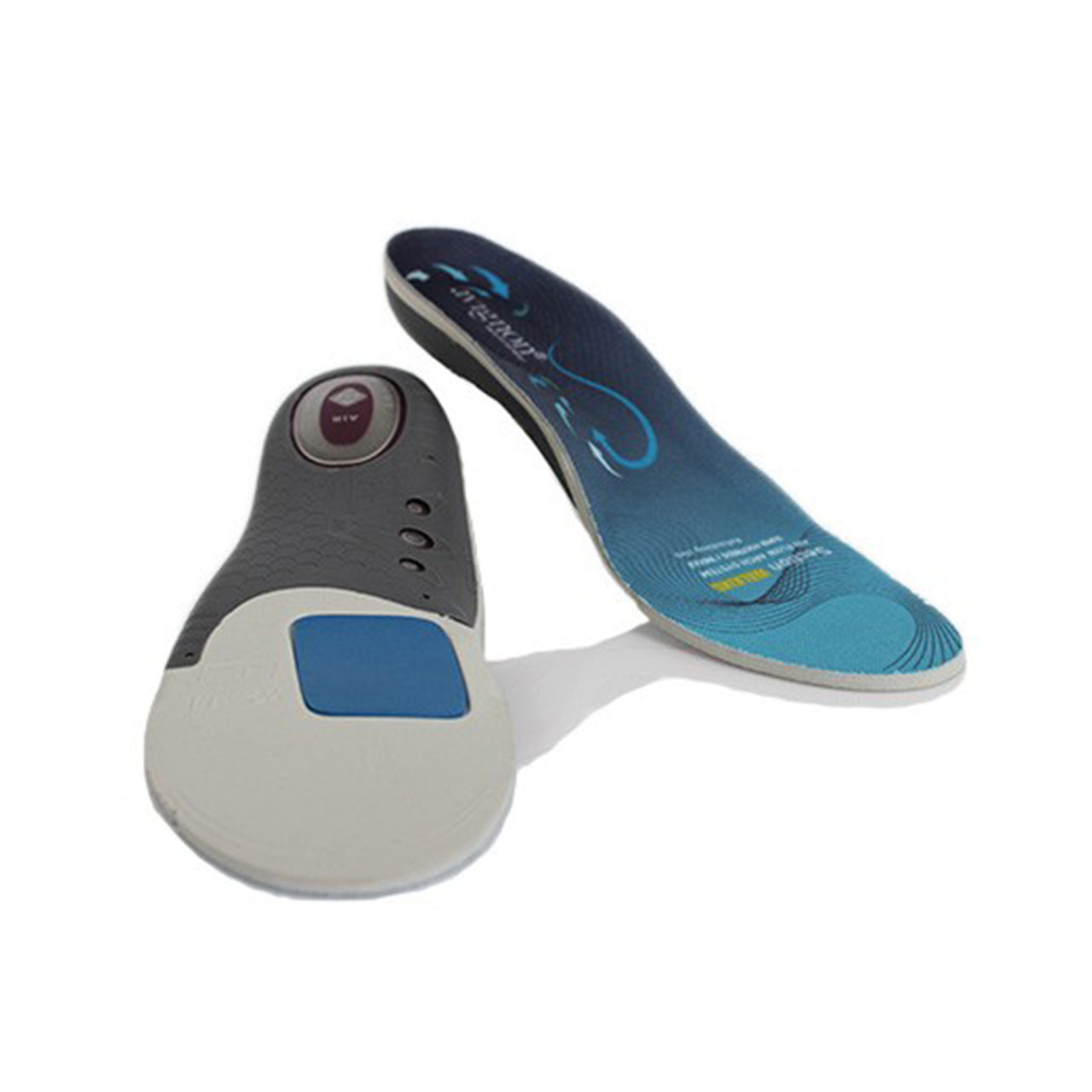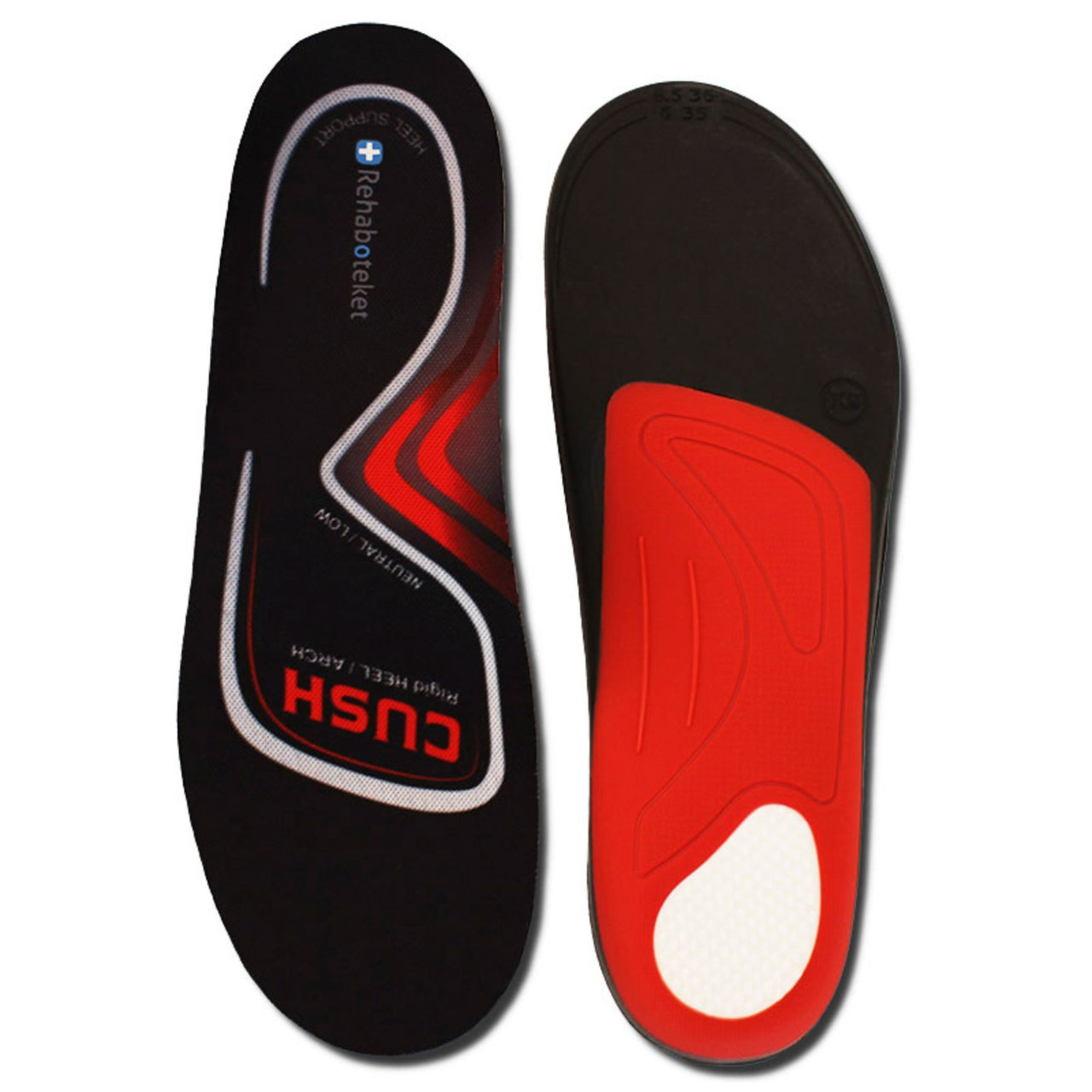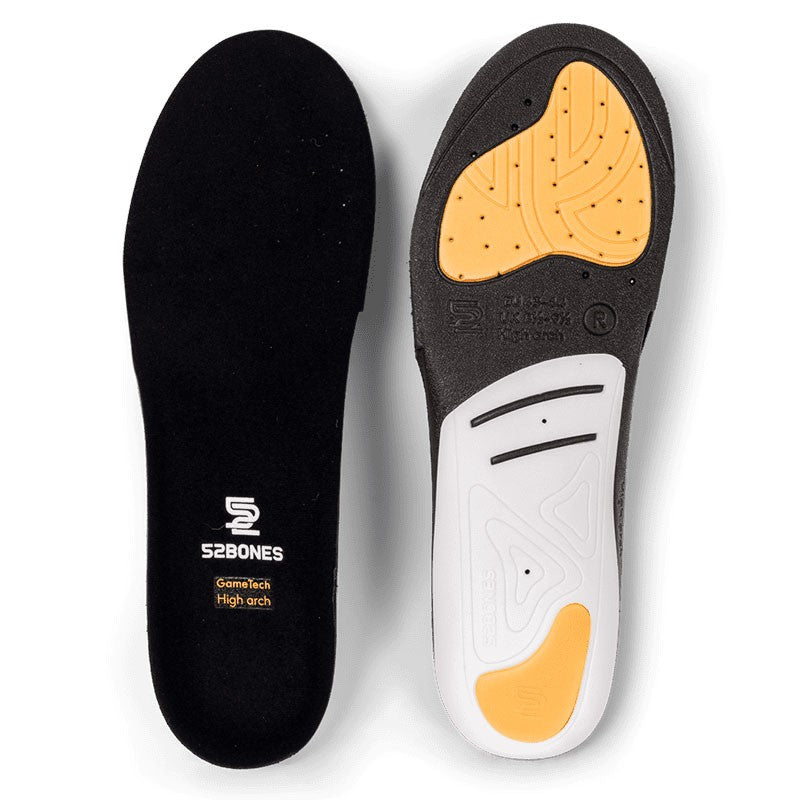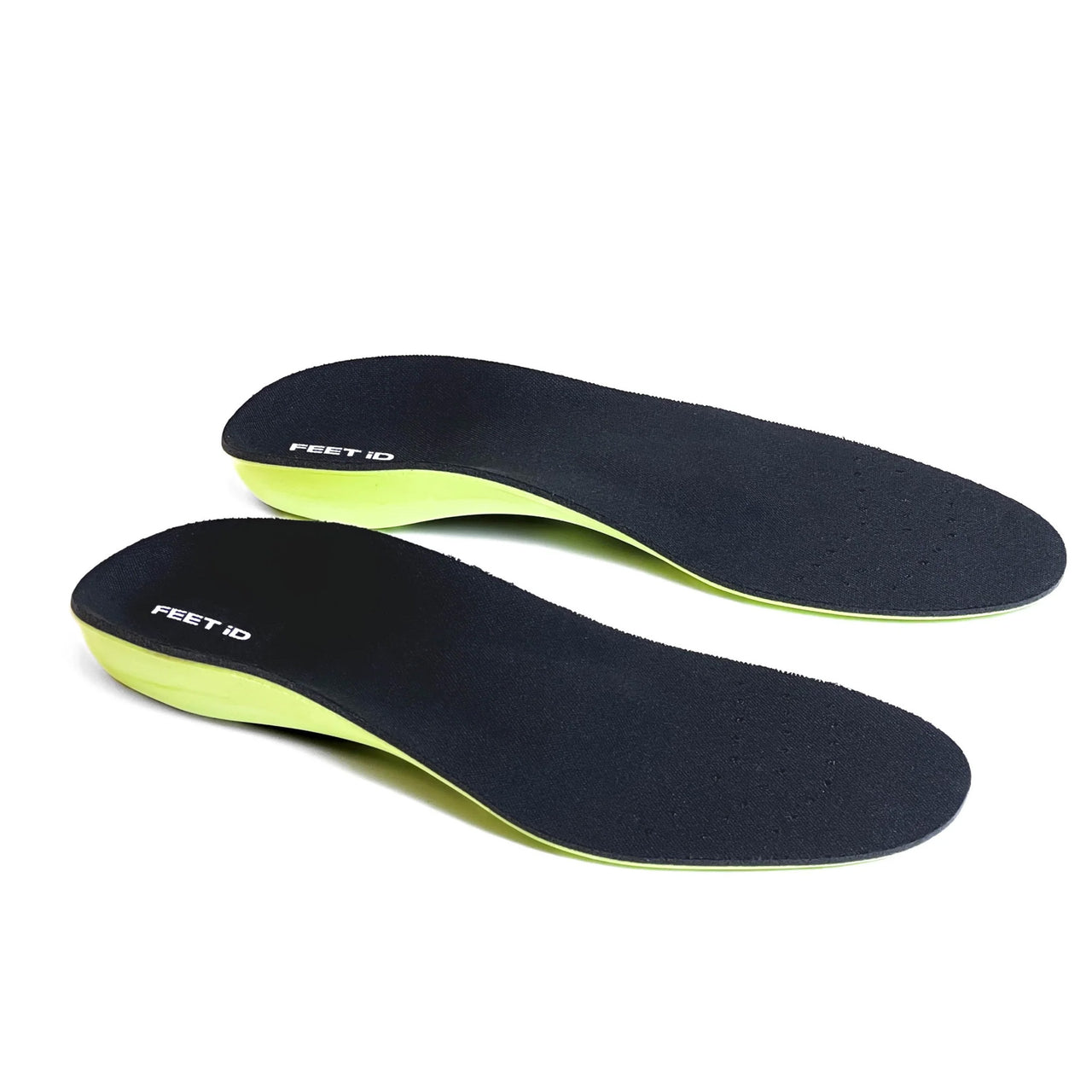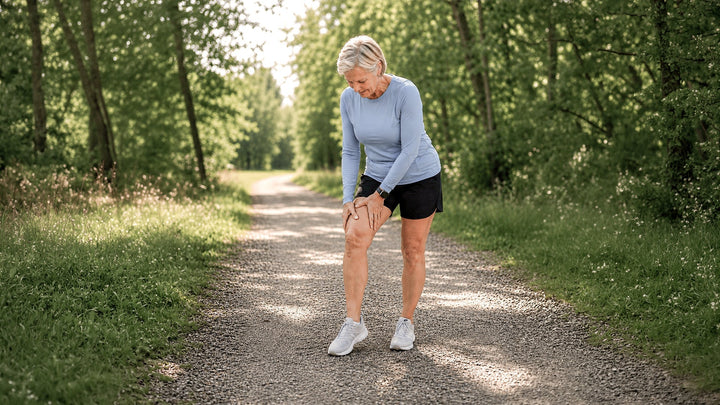

Pronation dæmper hvert skridt ved at få foden til at rulle let indad, når du går eller løber. Ved overpronation bliver rullen større, end vævet kan tåle, og belastningen placeres på indersiden af foden. Dette kan være en medvirkende årsag til tilbagevendende skinnebensbetændelse, knæsmerter, løberknæ og hælsmerter. Den rigtige indlægssål begrænser bevægelsen lige nok, centrerer hælen og giver ensartet støtte til svangen.
Hvis du vil læse mere om symptomer og underliggende årsager, anbefaler vi vores Overpronation Skadeguide.
Sådan føles en god skoinlægssål
En indlægssål, der hjælper mod overpronation, skal:
- have en markeret, men fleksibel svangkontur, der møder foden ved første kontakt med jorden
- omslutte hælens fedtpude med en dyb kop, der får hælen til at lande lige
- have moderat stivhed i midten, der bremser indad rullingen uden at låse foden
- ofte inkludere en lille kile på indersiden af hælen for tidlig kollaps
- give forfoden mulighed for at arbejde gennem en let fleksibel forfod
- bestå af materiale, der bevarer sin form, så støtten føles den samme efter mange kilometer
Almindelige typer af skoinlæg og hvornår de er passende
Færdige stabile indlæg med tydeligt svangstøtte er et godt udgangspunkt, hvis du oplever stigende smerte i dine skinneben eller knæ under længere gåture eller løb. De guider foden, men giver stadig bevægelsesfrihed. Tynde indlæg med dyb hælkop er velegnede til hverdagssko eller fodboldstøvler, hvor der er trangt, men hvor hælen skal centreres. Hvis din fod er meget blød, og svangen synker betydeligt, kan halvstyve indlæg med medial kile give mere kontrol.
I tilfælde af en kombination af overpronation og smerte under forfoden kan ekstra støtte til det forreste svang være nødvendig. En lille pelott under forfoden aflaster trykket, men korrigerer ikke pronationen, hvilket er grunden til, at pelott og svangstøtte ofte bruges sammen. Hvis færdige indlæg ikke er nok, og du har tydelige fejljusteringer eller langvarige smerter trods justeringer, kan formgjorte ortopædiske indlæg være næste skridt i samråd med din sundhedsudbyder.
Hælsmerter, som ved hæl sporer, opstår ofte med overpronation. En dyb hælkop og blød polstring under hælen kan hjælpe med at reducere belastningen på plantar fascia. Hvis du føler dig ustabil i din ankel, kan en midlertidig ankelstøtte være et supplement i den mest generende periode, men hovedformålet er stadig at guide foden, så belastningen bliver mere centreret.
Valg af sko og kombinationer
To veje bruges ofte. Enten vælger du en stabil sko med pronationsstøtte og tilføjer en enklere indlægssål som finjustering, eller du tager en neutral sko og lader en mere stabil indlægssål tage sig af kontrollen. Valget afhænger af, hvor meget støtte du har brug for, og hvordan skoen passer på din fod. Nogle løbere finder, at en neutral sko med en stabil indlægssål føles mere naturlig, fordi støtten er tættere på foden. Andre får en bedre helhedsfornemmelse, når mellemsålen i skoen giver grundlæggende stabilitet, og indlægssålen kun justerer.
Uanset hvilken vej, er en gradvis overgang klog, hvis strukturerne allerede er følsomme. Start med hverdagbrug og kortere sessioner. Føl, hvor træthed opstår. Hvis dine lægge bliver trætte, mens dit knæ føles roligere, er du ofte på rette spor. Hvis indersiden af din fod stadig kollapser ved længere skridt, kan du have brug for en indlægssål med højere svangstøtte eller en dybere hælkop.
Sådan tester du, at støtten faktisk virker
Stå barfodet foran et spejl. Bøj let i knæet og hoften, og se hvor meget din fod ruller ind. Sæt indlægssålen i skoen, tag skoen på, og gentag bevægelsen. Hvis din hæl forbliver mere lige, og dit knæ peger mere fremad, fungerer indlægssålen og giver dig tilstrækkelig støtte. Gå fem til ti minutter i normalt tempo og mærk under svangen. En god indlægssål giver støtte uden skarpt tryk. Øg derefter belastningen gradvist og mærk, hvordan dit underben og knæ føles dagen efter.
Husk, at stærke fodmuskler fremmer et mere neutralt skridt. Mange har gavn af tåhævninger, øvelser hvor du trækker forfoden mod hælen, og blide mobilitetsøvelser for læggen og anklen. For en sunket forfod kan en lille pelott placeres lige bag ved forfoden for at flytte trykket væk fra det ømme punkt, men det er ikke en erstatning for svangstøtte ved overpronation.
Se vores produkter mod overpronation
Hvis du vil forstå mere om symptomer, årsager, behandling og hvornår det kan være klogt at søge lægehjælp, anbefaler vi vores Overpronation Skadeguide.
Hvis du ønsker hjælp til at vælge det rigtige produkt baseret på dine klager, er du altid velkommen til at kontakte vores fysioterapeut for personlig rådgivning.