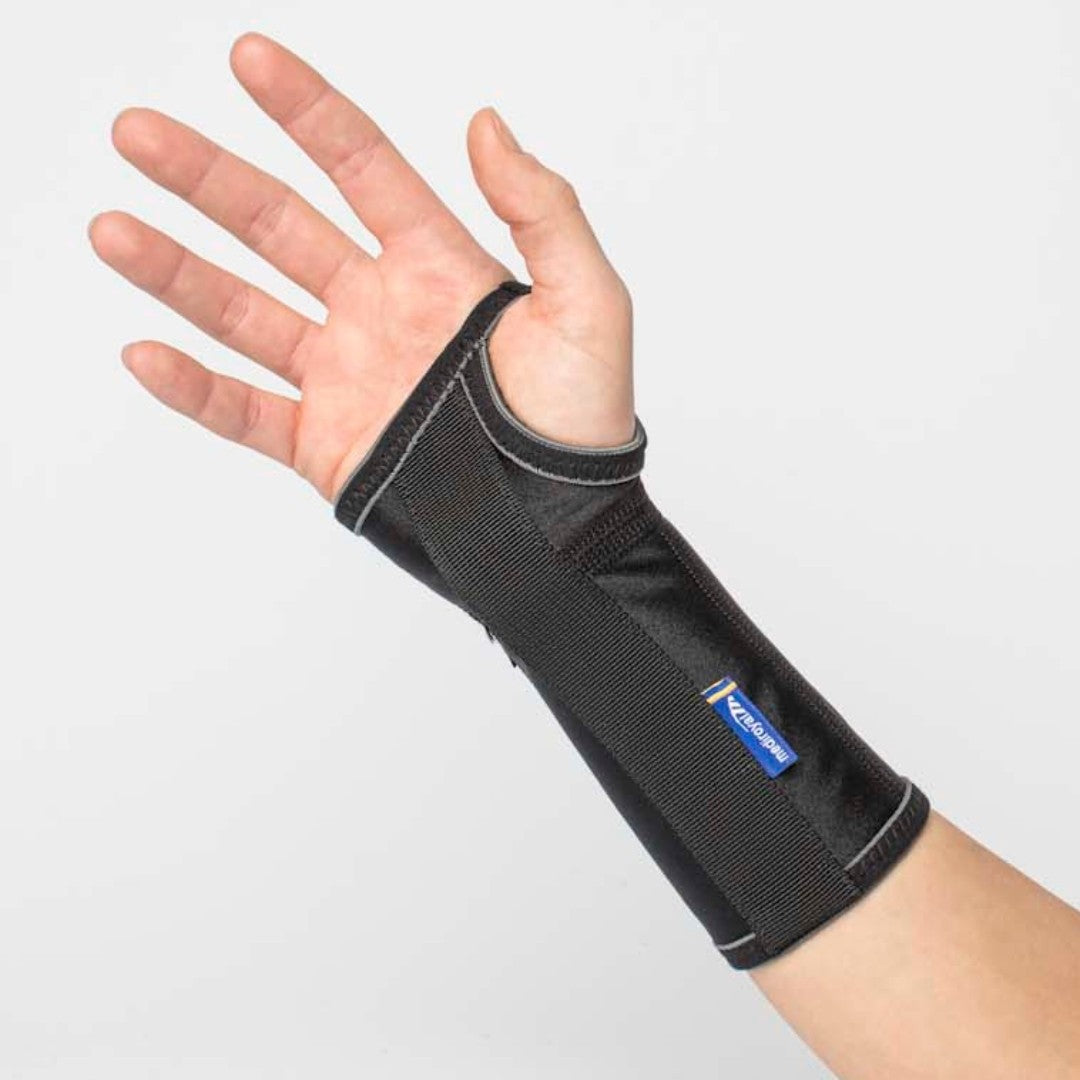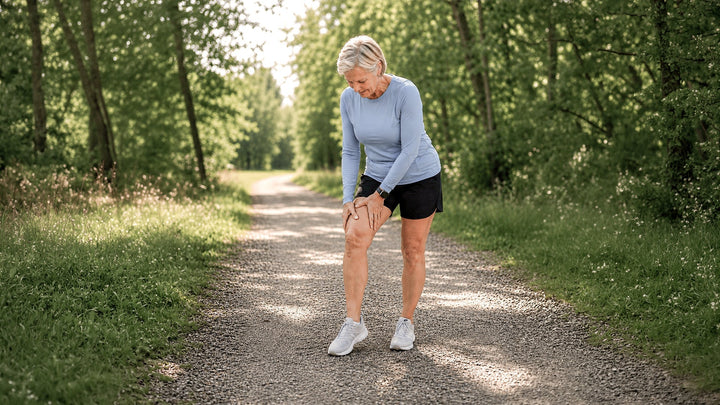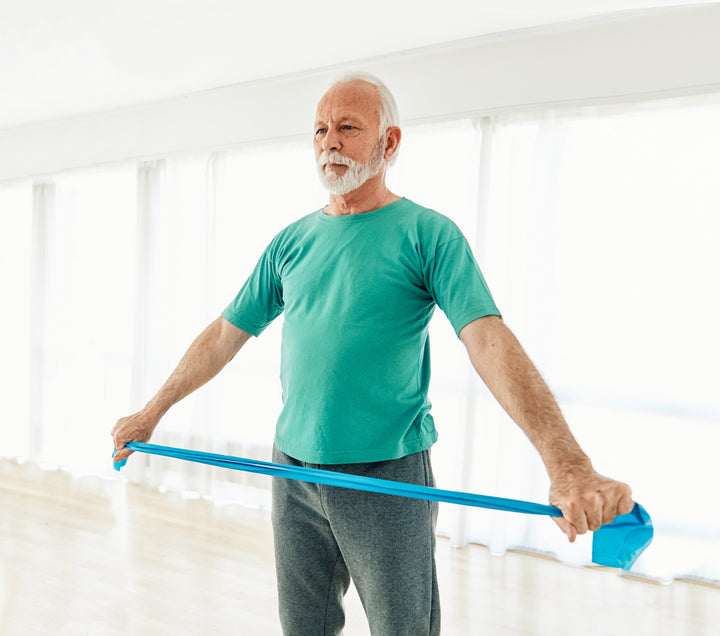

Vores håndled er med os i næsten alt, hvad vi gør – fra arbejde ved computeren og løft i hverdagen til træning, sport og restitution. Når håndleddet begynder at gøre ondt, føles ustabilt eller overbelastet, kan et håndledsstøtte være en enkel og effektiv måde at give aflastning, tryghed og bedre forudsætninger for fortsat aktivitet.
Men hvilket håndledsstøtte skal du vælge? Og hvornår er det egentlig passende at bruge et? I dette indlæg guider vi dig gennem forskellige typer af håndledsstøtter og deler praktiske tips til, hvordan du kan bruge håndledsstøtter i hverdagen og træningen. Derudover deler vores fysioterapeut, Ida, tips om fem populære modeller fra vores sortiment.
Hvornår kan et håndledsstøtte være et godt valg?
Håndledsstøtter bruges ofte, når håndleddet har brug for støtte og aflastning, for eksempel i følgende tilfælde:
- overbelastning i hverdagen eller arbejdet
- smerte eller ustabilitet under træning og sport
- ensidige bevægelser, for eksempel ved computerarbejde
- tilbagevenden til aktivitet efter en tidligere skade
Et håndledsstøtte erstatter ikke rehabilitering eller behandling, men kan være et godt supplement der gør det lettere at fortsætte med at være aktiv på en kontrolleret måde.
Vil du lære mere om de almindelige årsager til håndledssmerter og hvordan de typisk behandles? I vores Skadeguide om håndledssmerter finder du medicinsk og dybdegående information.
Forskellige typer af håndledsstøtter – fra blød kompression til stabile skinner
Ikke alle håndledsstøtter er ens. Valget afhænger af, hvor meget støtte du har brug for, og i hvilken situation du vil bruge det.
Bløde håndledsstøtter med kompression
Bløde håndledsstøtter giver let støtte og behagelig kompression omkring håndleddet. De er gode til:
- mild smerte eller stivhed
- forebyggende brug
- træning og sport, hvor mobilitet er vigtig
Kompressionen kan øge kropsbevidstheden og give en følelse af stabilitet uden at begrænse bevægelsen.
Håndledsstøtte med stabiliserende skinne/skinner
Håndledsstøtter med en stiv skinne giver mere stabilitet og aflastning. De bruges ofte, når håndleddet skal holdes i en mere kontrolleret position, for eksempel ved:
- udtalt ustabilitet
- smerte ved belastning
- behov for ekstra støtte i hverdagen.
Disse modeller kan ofte justeres for at tilpasses aktivitet og behov.
For specifikke håndledsproblemer som karpaltunnelsyndrom og De Quervains syndrom anbefaler vi, at du læser mere i vores Skadeguide, hvor du finder medicinsk og dybdegående information om forskellige håndledsskader og problemer.
Fysioterapeuten anbefaler – fem populære håndledsstøtter fra vores sortiment
Vores fysioterapeut præsenterer her fem forskellige modeller af håndledsstøtter i vores sortiment, der dækker alt fra sport til hverdagsbrug og ekstra stabilitet:
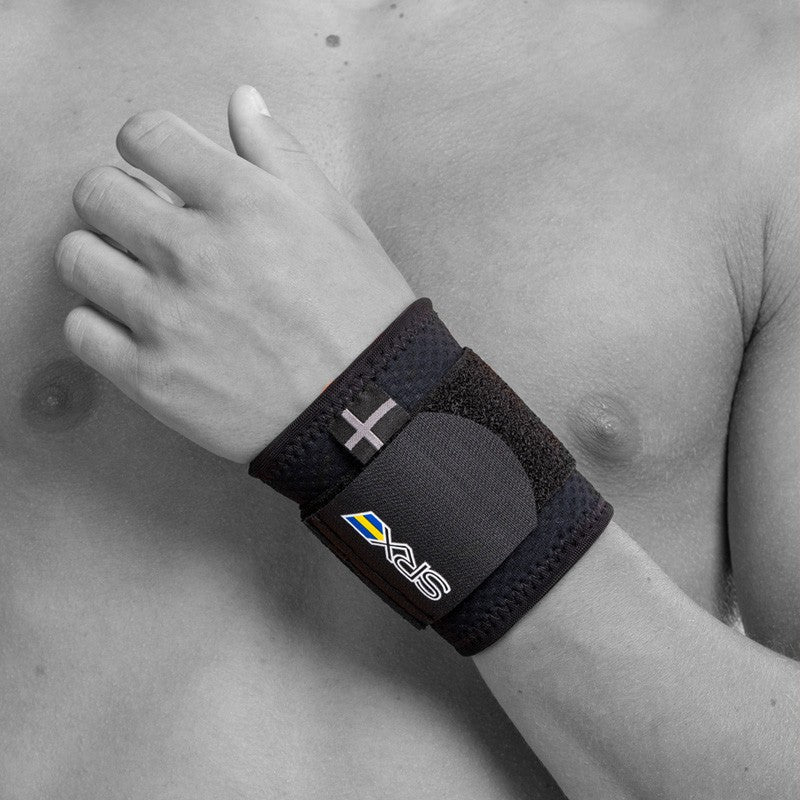
1. SRX håndledsstøtte er et fleksibelt håndledsbånd i universel størrelse, der giver let støtte til håndleddet. Modellen er velegnet til træning, hvor håndleddet har brug for ekstra sikkerhed uden at begrænse mobilitet eller håndfunktion.
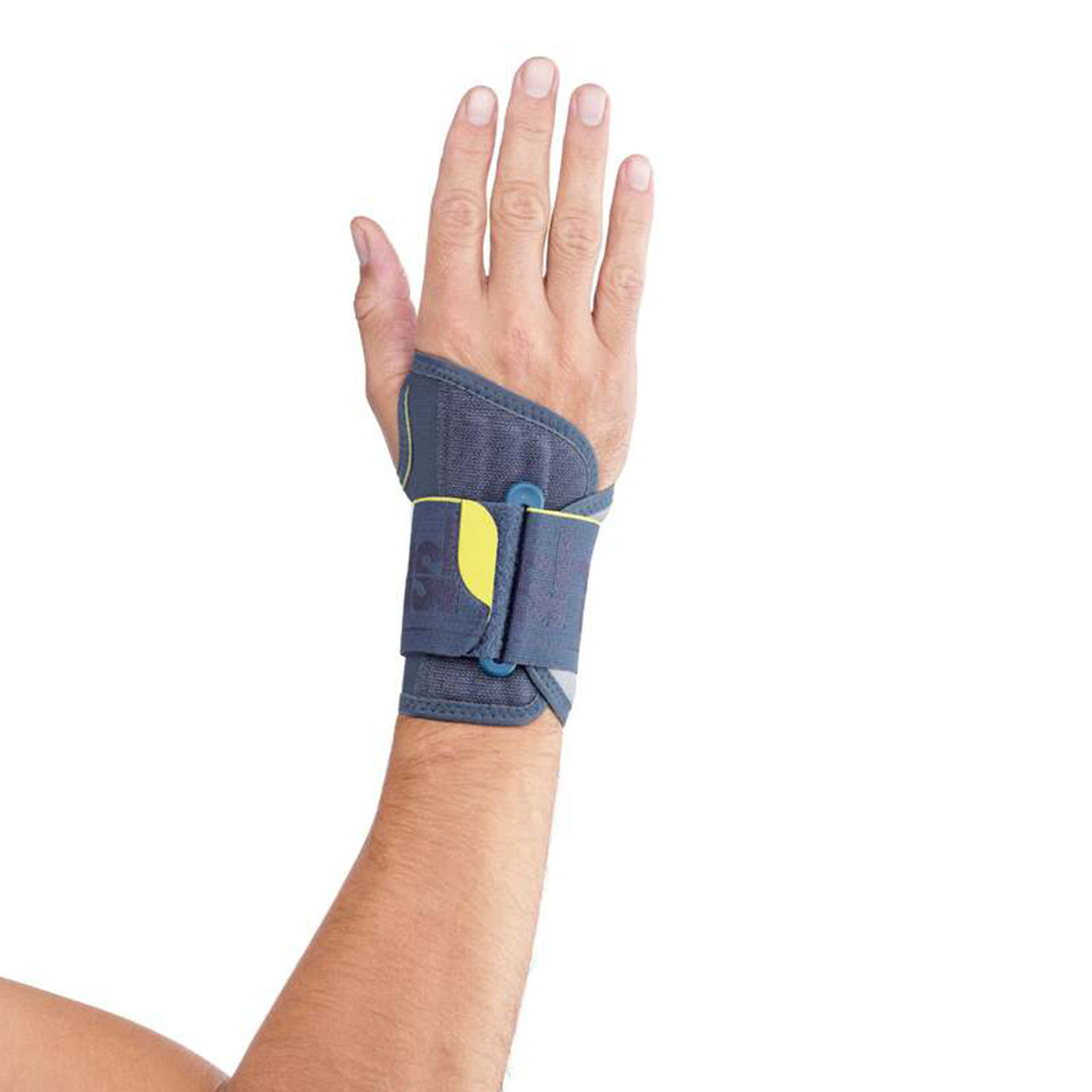
2. Push Sports håndledsstøtte er en stabil, men samtidig fleksibel håndledsstøtte med skinner, der stabiliserer håndleddet, mens grebet opretholdes. Populær inden for ketsjersport, fitness og andre aktiviteter, hvor grebet er centralt.
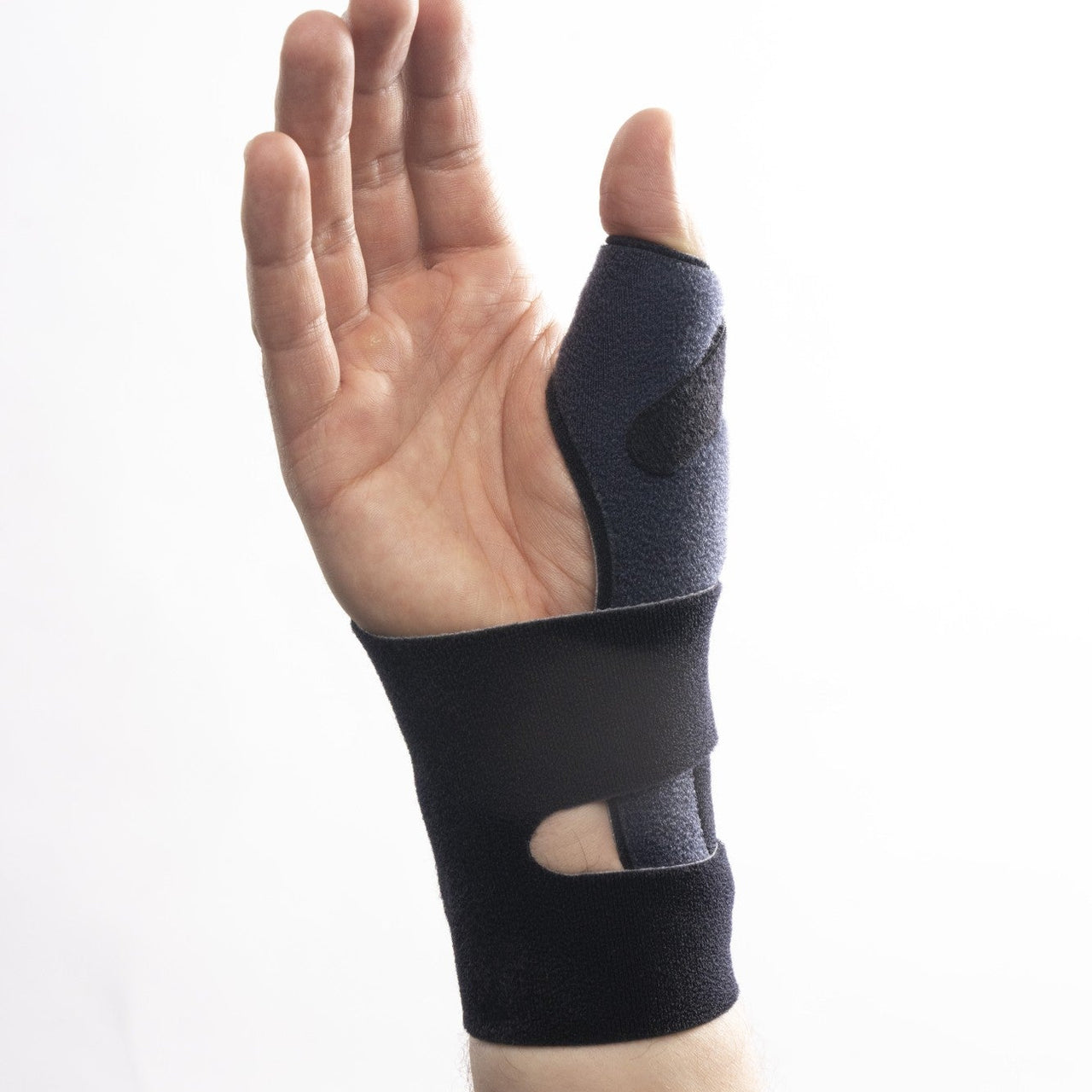
3. Håndledsstøtte med integreret tommelfingerstøtte er det oplagte valg for dem med De Quervains syndrom. Denne model kombinerer håndledsstøtte med tommelfingerstøtte og har et stabilt og trykaflastende design. Støtten er perfekt til daglig brug.
4. Dynamics håndledsstøtte er en stabil håndledsstøtte med to stabiliserende skinner. Håndledsstøtten er en passende model efter for eksempel en håndledsfraktur og gipsaftagning af håndleddet. Det smarte snøresystem og muligheden for at fjerne skinnerne betyder, at graden af støtte kan justeres efter behov.
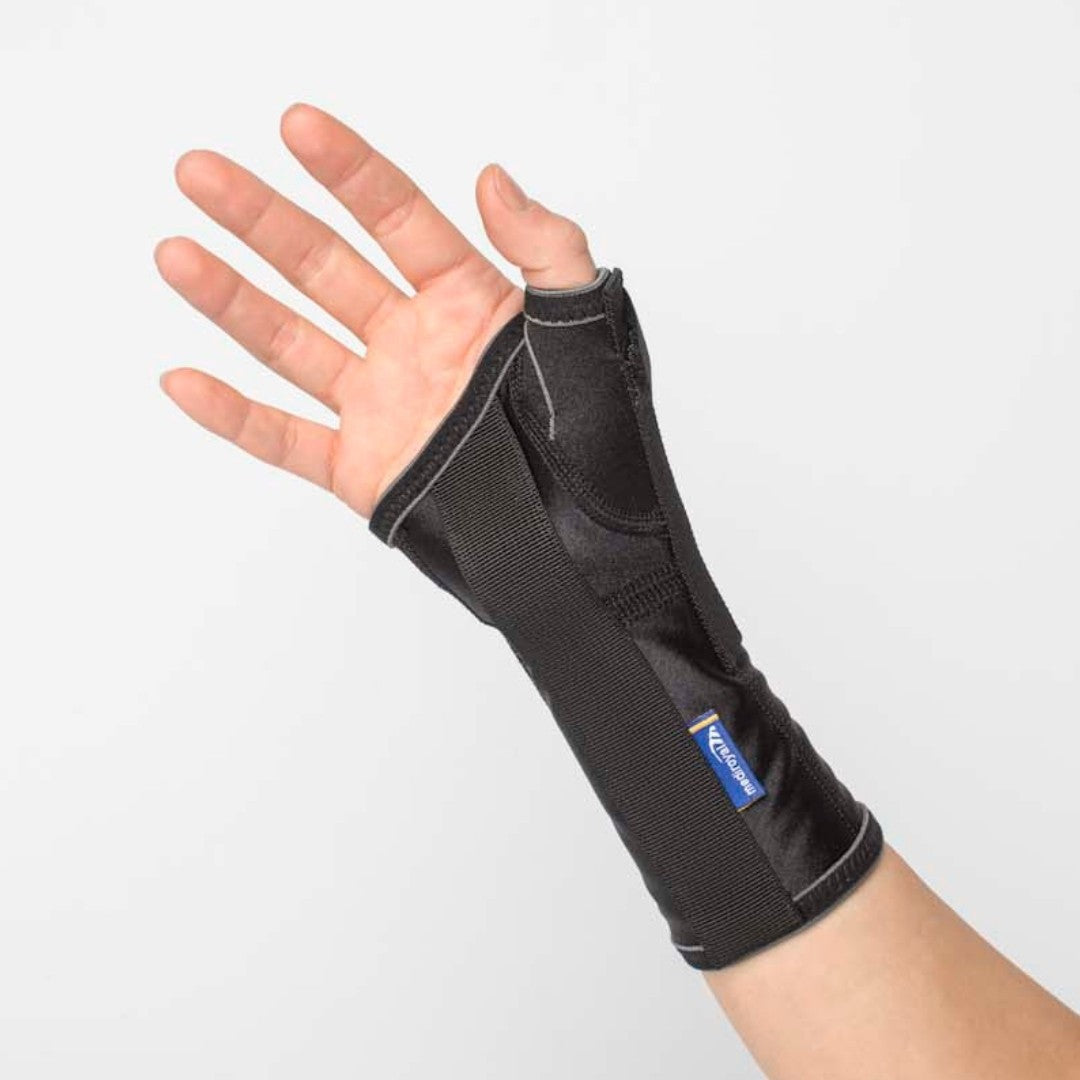
5. Ventus håndledsstøtte har en skinne med en lavere, neutral håndledsvinkel, hvilket gør den særligt velegnet til karpaltunnelsyndrom. Den er også velegnet til brug, hvis du har en betændelse i håndleddet eller reumatoid arthritis. Håndledsstøtten påføres nemt med fire velcrobånd på oversiden af håndleddet. Den fås i to farver.
Sådan bruger du håndledsstøtte på en smart måde
- Brug håndledsstøtten i situationer, hvor håndleddet har brug for ekstra støtte eller aflastning – for eksempel ved belastning, gentagne bevægelser eller når håndleddet skal holdes i en mere neutral position, selv i hvile eller om natten.
- Se håndledsstøtten som et supplement til andre foranstaltninger, ikke som en løsning i sig selv.
- Vær opmærksom på, hvordan dit håndled føles over tid, og juster brugen i henhold til dine behov og hverdagssituation.
Vil du forstå symptomer, årsager og behandling af håndledsproblemer? Så anbefaler vi vores Skadeguide for hånd og håndled. Hvis du ønsker hjælp til at vælge det rigtige produkt, er du altid velkommen til at kontakte vores fysioterapeut.