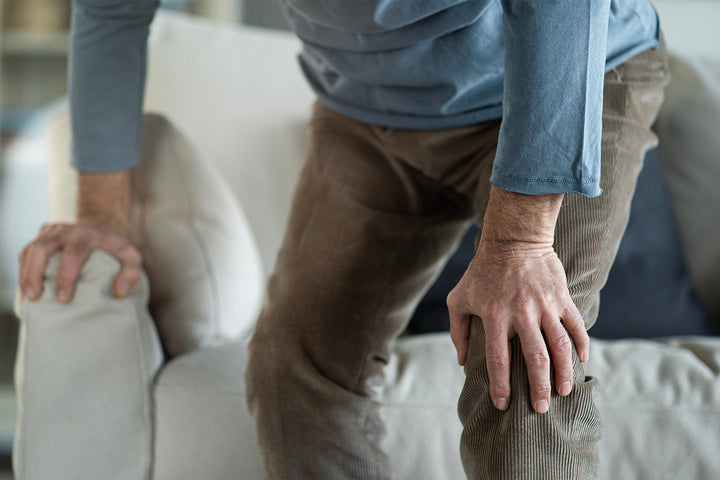
 En ledbandsskade i knæet er en almindelig sports skade, der kan forårsage smerte, hævelse og en følelse af ustabilitet. Skaden opstår ofte ved vridningskraft eller hurtige retningsændringer og kan påvirke både hverdagen og træningen. Her får du en klar oversigt over symptomer, årsager, hvornår du bør søge behandling, og hvordan det rette støtte og rehabilitering kan hjælpe dig tilbage på sporet.
Denne skadeguide dækker skader på det mediale og laterale ledbånd i knæet. Du kan finde mere information om korsbåndsskader i vores Skadeguide for fremre korsbåndsskade og Bageste korsbåndsskade.
Hvad er en ledbandsskade?
En ledbandsskade betyder, at et eller flere af knæledets stabiliserende ledbånd på siderne af knæet er strakt eller revet. De mest almindelige skader er på det mediale ledbånd (MCL), men også på det laterale ledbånd (LCL). Skaden forårsager ofte smerte, hævelse og en følelse af, at knæet er ustabilt eller giver efter.
Almindelige årsager & risikofaktorer
Ledbåndsskader opstår ofte i sportsgrene, der involverer hurtige retningsændringer, vridninger eller tacklinger – såsom fodbold, håndbold eller skiløb. Fald, fejltrin på ujævnt terræn eller pludselige vridningsbevægelser kan også forårsage skader. Tidligere knæskader, muskel svaghed eller nedsat balance kan øge risikoen.
Symptomer
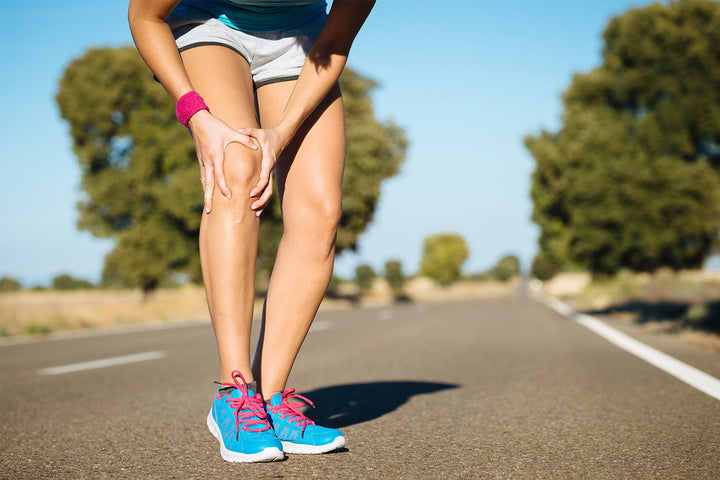
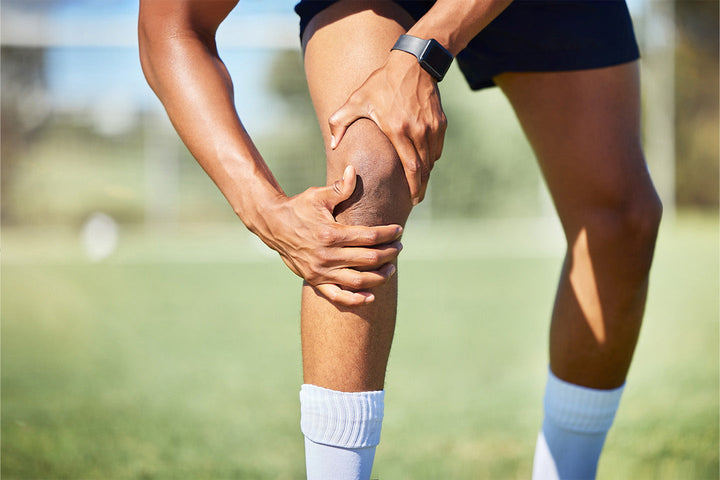
Symptomer inkluderer smerte på indersiden eller ydersiden af knæet, afhængigt af hvilket ledbånd der er skadet. Hævelse kan opstå med det samme eller efter et par timer. Mange oplever ustabilitet, især ved laterale bevægelser eller når de træder på trapper og ujævnt terræn. Ved mere alvorlige skader kan knæet give efter eller føles svært at kontrollere.
Hvornår skal du søge lægehjælp?
Kontakt et sundhedscenter, hvis du mistænker, at du har lidt en ledbandsskade. Skader efter traume, især med vridningskraft, bør undersøges for at vurdere skadens omfang og udelukke korsbånds- eller menisk skader.
Kontakt straks et sundhedscenter, hvis du har meget ondt, ikke kan bære vægt på dit ben, og dit knæ er kraftigt hævet. Hvis sundhedscentret er lukket, søg behandling på en skadestue.
Anbefalet beskyttelse & støtte
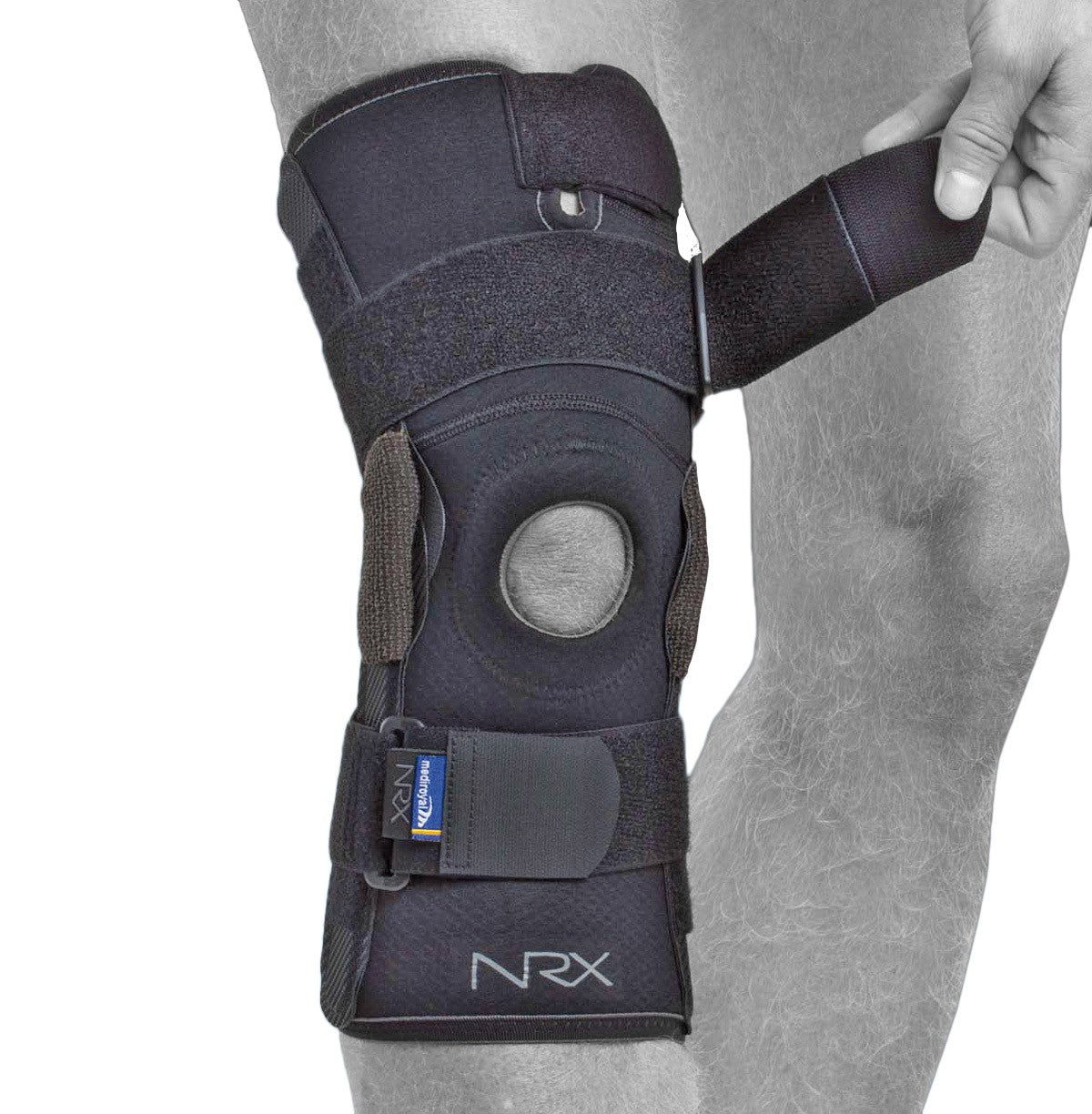
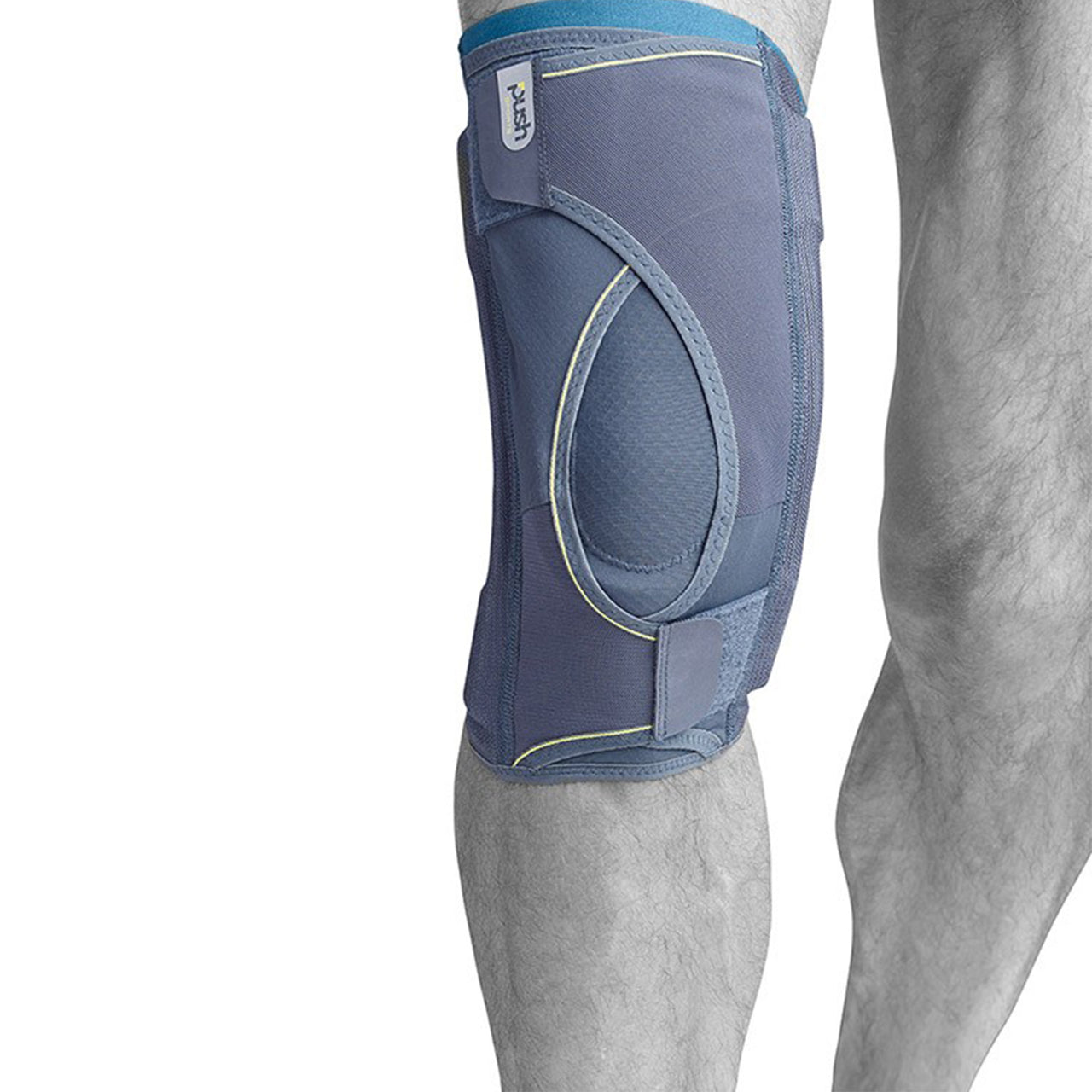
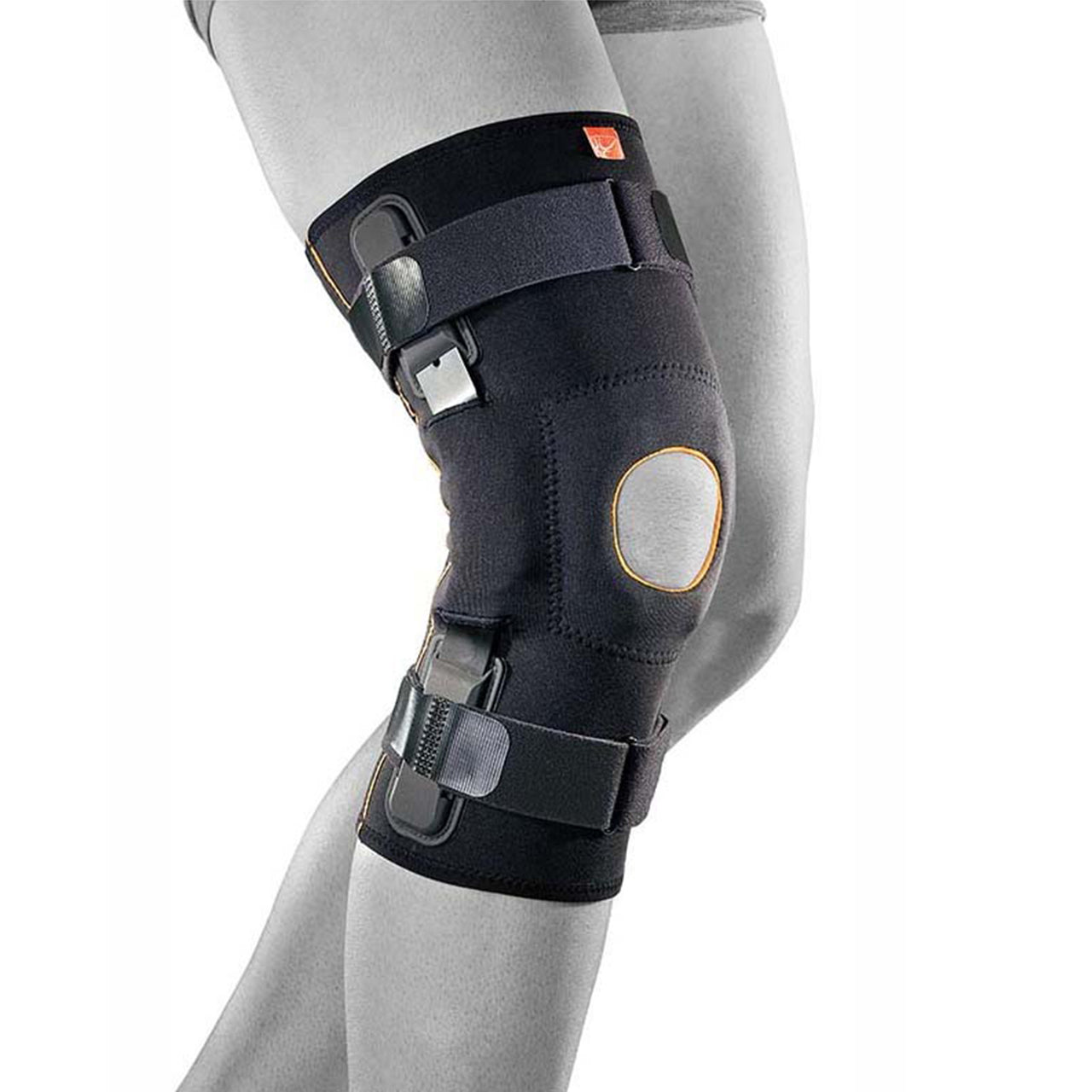
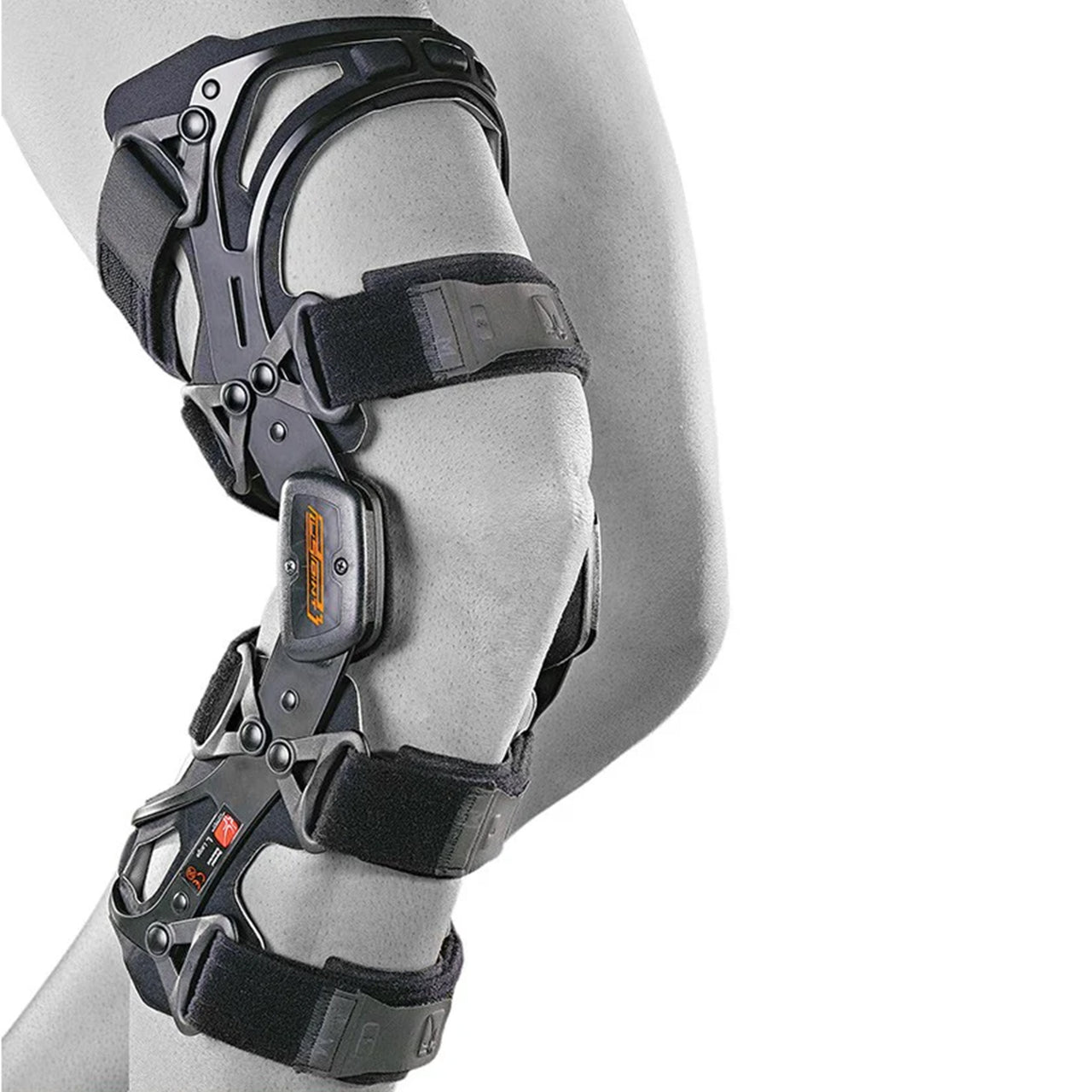
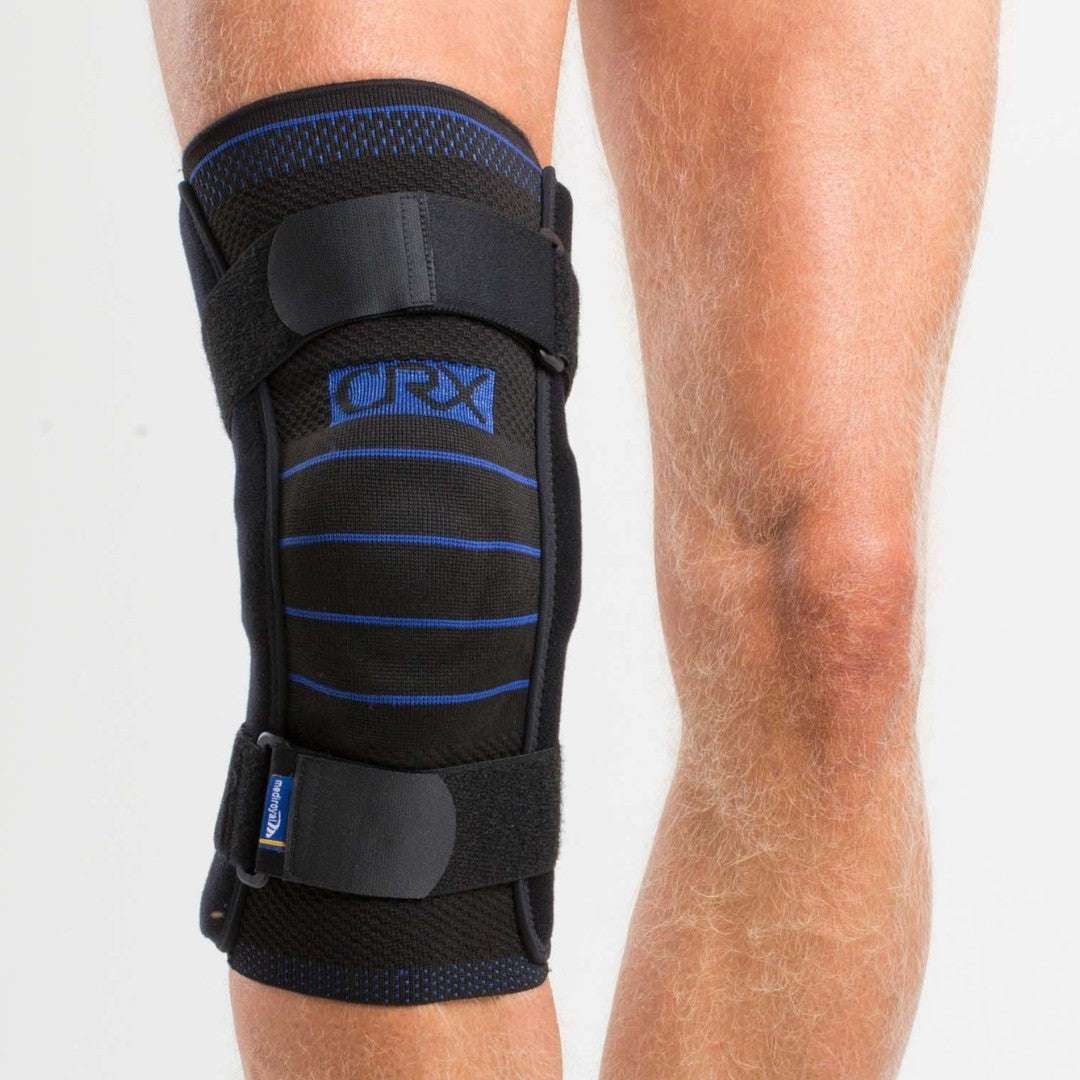
Knæbandager med stabiliserende skinner på siderne kan aflaste ledbåndene og forbedre stabiliteten under rehabilitering. Bløde knæbandager med kompression kan anvendes ved mildere skader for at reducere hævelse og give let støtte. Rehabilitering med fokus på at genvinde bevægelighed i knæet og træne styrken i lår, hofte og bagdel er centralt for at skabe et stabilt knæ og reducere risikoen for tilbagefald. I de første uger efter skaden bør øvelser, der belaster indersiden af knæet, undgås (ved skader på det mediale ledbånd). Søg hjælp fra en fysioterapeut for assistance med rehabiliteringen.
Se alle beskyttelser og støtte, der kan stabilisere knæledbåndsskader
Relaterede skader
For mere information om knæproblemer kan du finde flere artikler i Skadeguide Knæ. Du kan også gå til Skadeguidens hovedside for at læse om andre skader og symptomer.