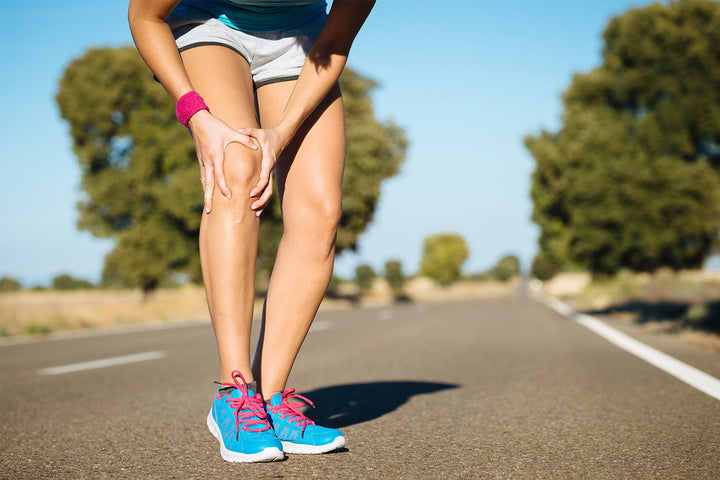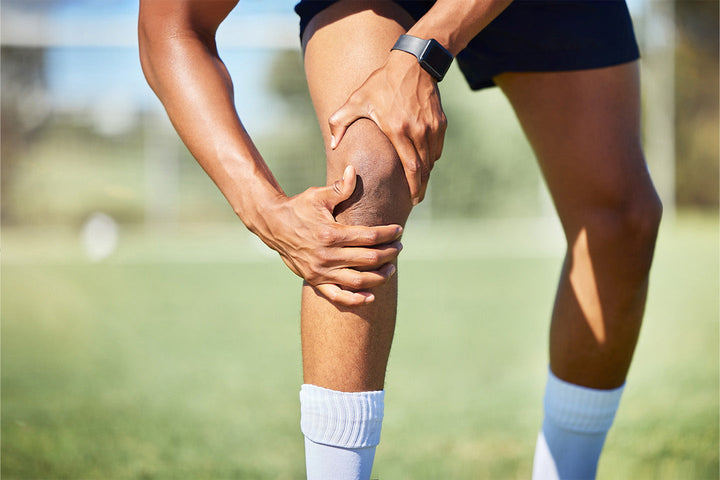

Meniskskade er en af de mest almindelige knæskader og rammer enten den indre eller ydre menisk i knæleddet. Skaden kan forårsage smerte, stivhed og nogle gange låsninger i knæet. Problemerne kan opstå pludseligt i forbindelse med en skade eller udvikle sig gradvist over tid.
Hvad er en meniskskade?
En meniskskade betyder, at en af meniskerne i knæleddet er revnet eller beskadiget. Menisken er en bruskplade, der fungerer som støddæmper og stabilisator i knæleddet og hjælper med at fordele belastningen mellem lårbenet og underbenet.
Når menisken er beskadiget, kan den miste sin stabiliserende funktion og forårsage smerte, hævelse og begrænset bevægelighed i knæet. Skader på den mediale menisk er de mest almindelige og forårsager ofte smerte på indersiden af knæet, mens skader på den laterale menisk oftere forårsager smerte på ydersiden af knæet.
Almindelige årsager & risikofaktorer
En meniskskade opstår ofte i forbindelse med sport eller ulykker, hvor knæleddet udsættes for kraftige vridningskræfter. Bevægelse, hvor foden forbliver på jorden, mens kroppen drejer, kan skabe stor belastning på menisken.
Dybe squat-bevægelser eller pludselige ændringer i retning kan også udløse skaden. Risikoen stiger med alderen, da menisken gradvist bliver mere skrøbelig gennem degenerative forandringer.
Skader på den mediale menisk er cirka fire gange mere almindelige end skader på den laterale menisk. Da den mediale menisk er knyttet til det mediale kollaterale ligament (MCL), kan disse strukturer nogle gange blive skadet samtidig.
Symptomer
- Smerte i den indre eller ydre ledspring, ofte som stikkende smerte
- Låsninger eller vanskeligheder med at strække/bøje knæleddet helt
- Lokalt hævelse over det skadede område
- Stivhed og smerte efter aktivitet, især ved squat
Symptomerne på meniskbeskadigelse opstår ofte i situationer, hvor knæleddet er vridtet eller belastet i en bøjet position.
Hvornår gør en meniskskade mest ondt?
Smerterne ved meniskbeskadigelse opstår ofte i situationer, hvor knæleddet belastes eller vrides.
Ved vridning af knæet
Pludselige ændringer i retning kan skabe stærkt tryk mod menisken.
Ved squat eller dybe knæbøjninger
Når knæleddet bøjes dybt, øges belastningen på menisken.
Ved belastning under gang eller fysisk aktivitet
Smerterne kan blive mere tydelige, når knæet bruges under aktivitet.
Når knæet forsøger at strække sig helt
Nogle oplever, at deres knæ låser sig eller ikke kan strækkes helt.
Når skal du søge lægehjælp?
Hvis dit knæ er låst, har svære smerter eller har vedvarende ustabilitet, bør du få dit knæ undersøgt af en sundhedsperson. Du bør også søge lægehjælp, hvis dit knæ svulmer betydeligt eller hvis du har svært ved at lægge normal vægt på dit ben.
Anbefalet beskyttelse & støtte
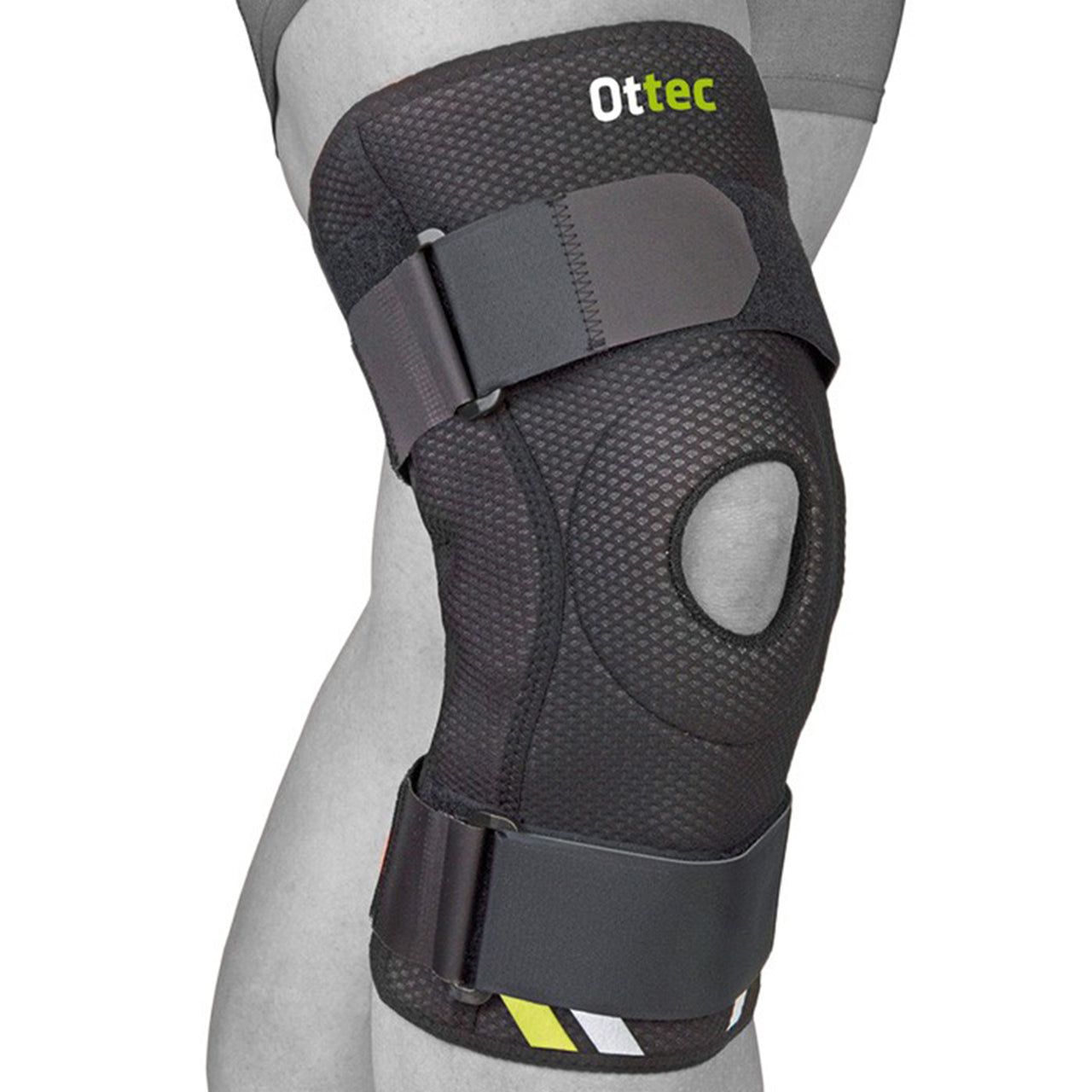
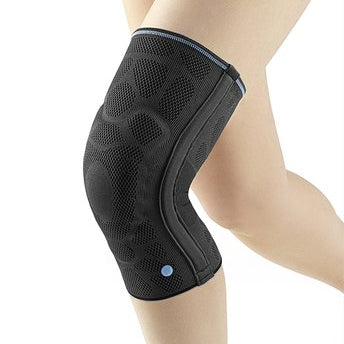
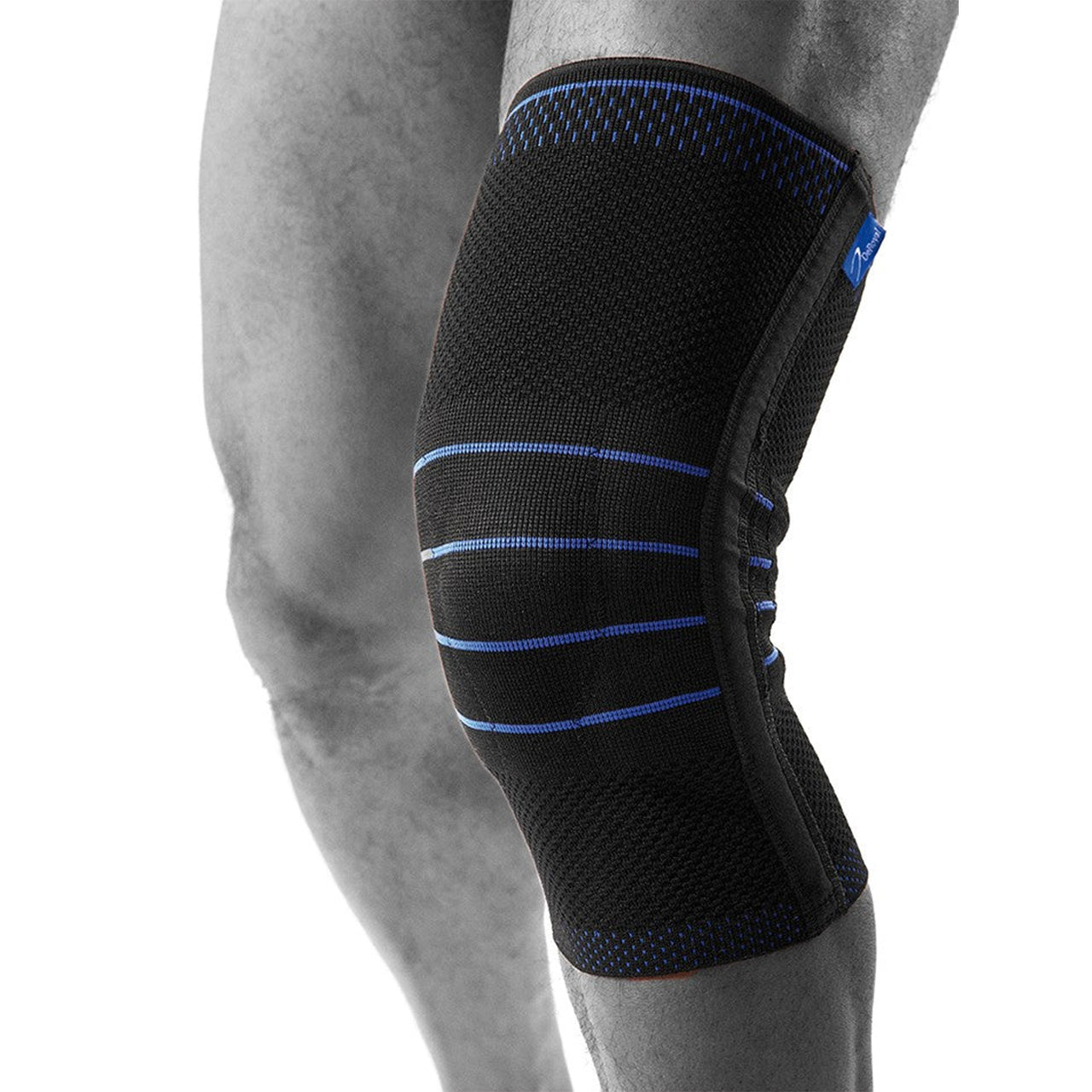
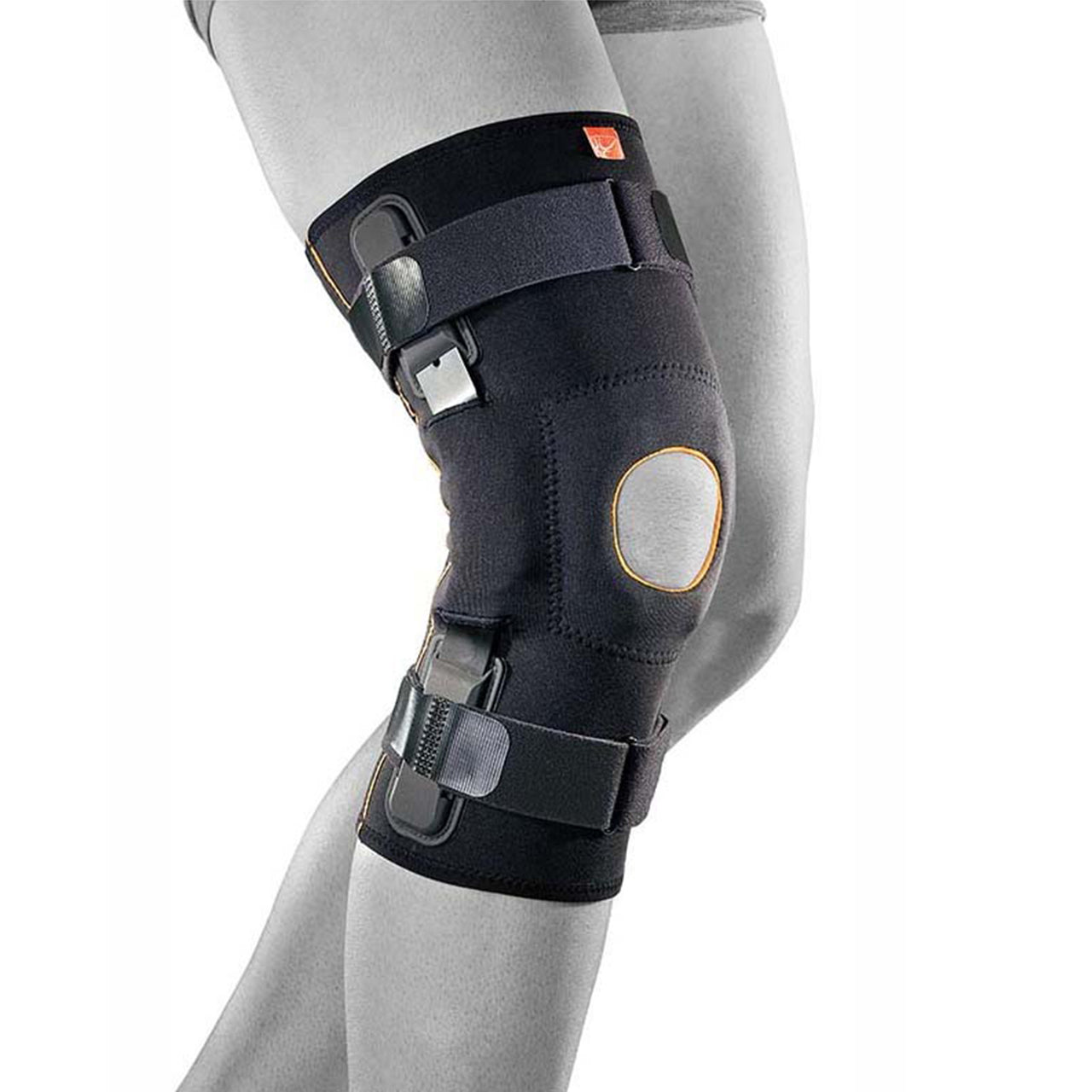
I tilfælde af en meniskskade kan den rette beskyttelse og aflastning bidrage til øget stabilitet og sikkerhed i hverdagen og under aktivitet. En kompressionsknæbandage kan hjælpe med at stabilisere knæleddet og reducere hævelse.
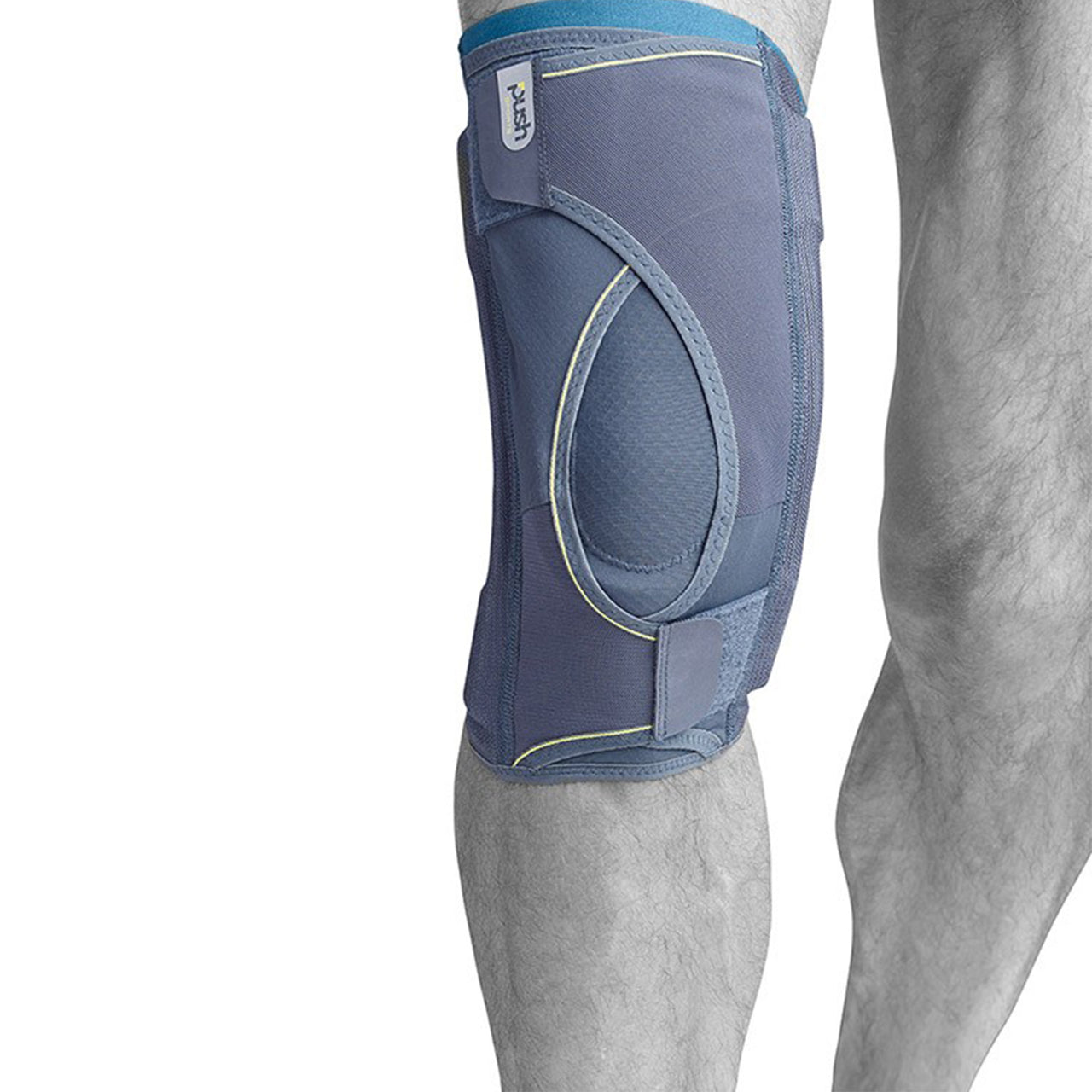
Hvis der er ustabilitet, kan en mere stabiliserende knæbandage med laterale aflastningsskinner give ekstra støtte og kontrol. Belastningen på knæleddet bør minimeres ved at undgå dybe bøjninger og vridninger.
For at genvinde styrke og funktion er rehabilitering med individuelt tilpassede øvelser hos en fysioterapeut ofte en vigtig del af behandlingen.
Se alle bandager og støtte, der kan aflastes ved en meniskskade
Relaterede skader
I Skadeguide Knæ kan du læse mere om almindelige skader og gener i knæet. Du kan også gå til Skadeguidens hovedside for at læse om andre skader og symptomer.